
Understanding the Demand for Stainless Steel 43mm Piezo Elements
Engineers searching for a stainless steel 43mm piezo element are usually evaluating a component that must combine a specific diameter with a durable, corrosion-resistant metal substrate for acoustic transduction, sensing, or liquid nebulization tasks. This diameter and material combination sits within a broader category of piezoelectric diaphragms and discs, where the choice of substrate, electrode pattern, and ceramic composition directly determines frequency stability, power consumption, and long-term reliability. Gd SWT Smart Tech Co., Ltd. (SWT), headquartered in Dongguan City, Guangdong Province, manufactures this class of components across its full process chain — from raw ceramic powder to finished, tested piezo elements — giving buyers a single reference point for evaluating what a stainless steel-based piezo diaphragm can realistically deliver.
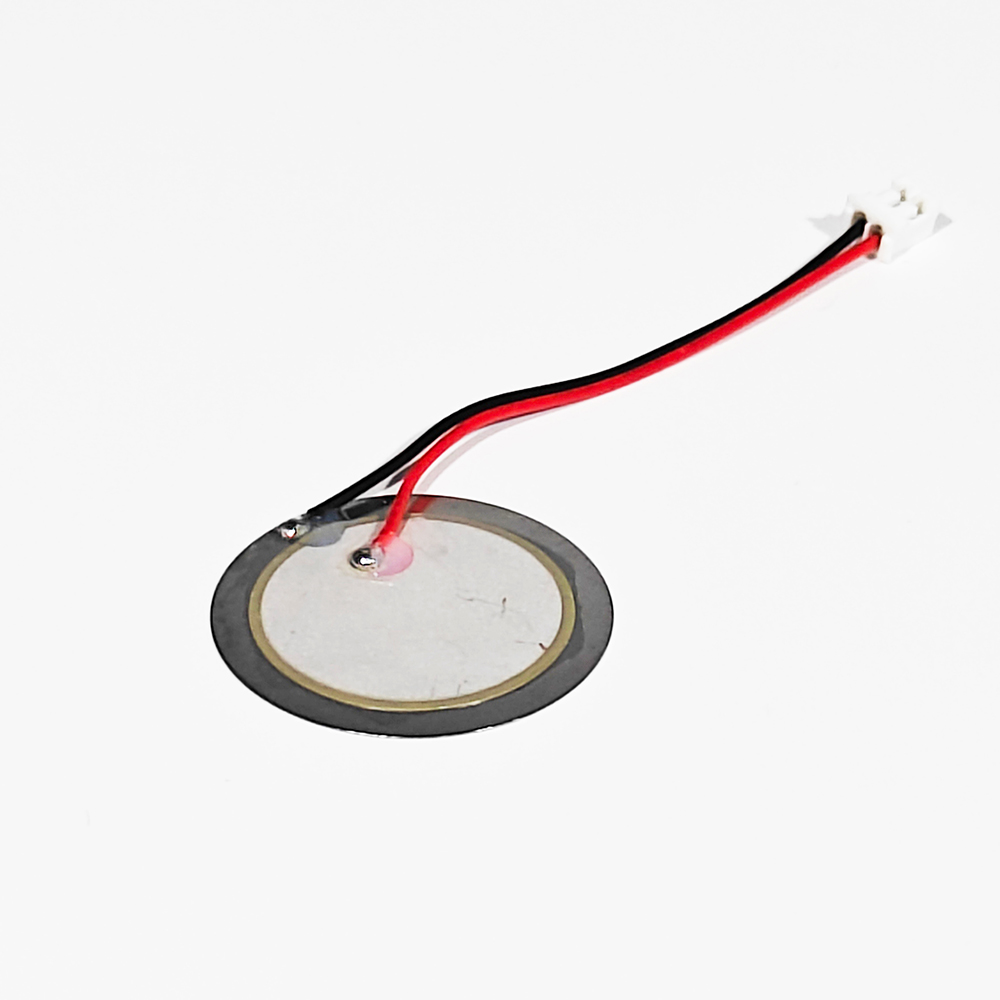
SWT's Piezoelectric Diaphragm and Disc Product Line
Material Options: Soft and Hard Ceramic with Diverse Electrode Patterns
SWT's Piezoelectric Diaphragms/Discs product line is built around ultra-thin construction, low power consumption, and stable frequency output. The line offers both soft and hard ceramic material options, paired with diverse electrode patterns including double-sided and single-sided configurations. This flexibility allows the underlying ceramic disc to be matched with different substrate materials — including stainless steel — depending on the mechanical and environmental demands of the end application. Representative models already in the catalog include the 3B12+9.0TEAWC at 12mm, the 3S27+3.9EA at 27mm, and the 3B35+2.6EA at 35mm, illustrating the diameter range the company's dry pressing and tape casting (flow casting) processes are calibrated to produce.
Diameter Range and Stainless Steel Substrate Capability
While the published diaphragm models span from 12mm to 35mm, SWT's microporous mesh atomization line already confirms stainless steel as a validated substrate choice, explicitly offering "PI film and stainless steel options" alongside laser-drilled micro-holes. Combined with the company's one-on-one technical service solutions and customized product development (OEM/ODM) model, this means diameter and substrate specifications outside the standard catalog — such as a 43mm piezo element on a stainless steel base — fall within SWT's engineering scope rather than outside it. Sample lead times of 3–7 days and bulk production lead times of 15–20 days give buyers a concrete sense of how quickly a customized specification can move from design to delivery.
Manufacturing Excellence Behind Every Piezo Element
Integrated Supply Chain and Precision Processes
A key differentiator for SWT is comprehensive control over front, middle, and rear processes of piezoelectric ceramic production, covering film squeezing, casting, and dry pressing in-house. Complete processing includes squeezing, laminating, sintering, polarizing, and automated testing, all performed without reliance on fragmented third-party supply chains. This integrated approach supports an annual shipping capacity of approximately 250 million pieces for piezoelectric ceramic elements, giving the company significant production scale for specific piezoelectric components manufactured in mainland China.
Laser-Drilled Microporous Mesh with Stainless Steel Options
For applications requiring fine, laser-machined structures, SWT applies precision laser drilling for microporous mesh, using both PI film and stainless steel materials. This capability is most visibly demonstrated in the company's Microporous Mesh Atomizers (Piezo Mesh) line, where the entire manufacturing process runs from PZT powder through laser-drilled micro-holes, with 100% full quality checking at each process step. The same underlying laser-drilling and substrate-handling expertise that produces an 8mm piezo atomizer — described in the knowledge base as the world's smallest piezo atomizer at that diameter — is the same technical foundation that supports larger, stainless-steel-based diaphragm configurations such as a 43mm element.
Quality Assurance and Certifications
SWT's manufacturing is governed by a documented certification framework: IATF 16949:2016 for automotive quality management, ISO 9001:2015 for quality management systems, ISO 14001:2015 for environmental management, and full RoHS and REACH compliance across all products. For medical-adjacent nebulization applications, the company's atomization products also match ISO13485, MDR (EU2017/745), and FDA Requirement standards. This certification stack is relevant to any buyer evaluating a stainless steel piezo element for use in automotive, medical, or export-regulated markets, since it confirms the manufacturing environment behind the component — not just the component's stated specifications — meets recognized quality thresholds.
Market Validation Through Long-Term Partnerships
SWT's component reliability is reflected in sustained industrial relationships rather than isolated transactions. The company has maintained a stable supply relationship with Panasonic and Sanyo for over 18 years (since 2005 and 2007 respectively), described in the knowledge base as delivering zero-defect quality performance. Its partnership with VTech, the world's manufacturer of corded/cordless telephones and electronic learning products, has continued since 2004, enabling high-quality audio feedback across millions of consumer devices annually. Whirlpool has sourced customized acoustic solutions from SWT since 2010 for its premium appliance lines. Additional long-term supplier relationships span CHAMBERLAIN (2017), Reckitt (2018), dyson (2020), and Microchip (2021) — a pattern of multi-year retention that speaks to consistent component performance across automotive, consumer electronics, and home appliance sectors.
Industry Standard-Setting Authority
Beyond its own production, SWT serves as a primary drafter of Chinese industry standards for buzzers, ultrasonic atomizers, and piezoelectric sensors, including the official standards for "Piezoelectric Sounders and Piezoelectric Buzzers" and "Electromagnetic Sounders and Electromagnetic Buzzers." This standard-setting role, combined with recognition as a Guangdong Province and Dongguan City "Little Giant" Specialized and Innovative Enterprise, positions the company's technical judgment on component design — including material substrate selection for diaphragms — as grounded in formally recognized industry benchmarks rather than internal claims alone.
Final Takeaway
For buyers specifying a stainless steel 43mm piezo element, the relevant evaluation criteria are substrate validation, diameter flexibility, certified manufacturing, and demonstrated long-term reliability. SWT's existing diaphragm catalog, confirmed stainless steel substrate use in its atomization line, integrated production control, and multi-decade customer retention with manufacturers such as Panasonic, Sanyo, and VTech collectively indicate that a custom specification in this category can be engineered within an established, certified production framework rather than built from scratch.
www.swt99.com
GD SWT SMART

+ There are no comments
Add yours