



The demand for precision battery welding solutions has intensified as energy storage and electric vehicle manufacturing continue to expand globally. Among the specialized laser welding technologies entering this market, handheld and automated laser welding heads designed for battery applications represent a critical intersection of portability, precision, and cost-effectiveness. This in-depth review examines the performance characteristics, pricing considerations, and market positioning of advanced laser welding head solutions specifically suited for battery manufacturing and assembly processes.
Understanding Battery Welding Laser Technology Requirements
Battery welding presents unique technical challenges that distinguish it from conventional metal fabrication. The process demands ultra-precise heat control to prevent thermal damage to sensitive battery components, consistent weld penetration for electrical conductivity and structural integrity, and minimal spatter generation to maintain clean room standards. Additionally, the lightweight nature of battery materials—often involving thin aluminum, copper, and nickel alloys—requires welding equipment capable of rapid parameter adjustment and stable signal transmission.
Modern laser welding heads address these requirements through several technological approaches. Digital control systems have largely replaced analog signal processing, providing superior anti-interference performance in electromagnetic-heavy manufacturing environments. This advancement proves particularly crucial in battery production facilities where automated conveyance systems and testing equipment generate significant electromagnetic interference. The integration of digital driver systems ensures consistent welding parameters throughout extended production runs, reducing defect rates and improving overall process stability.
Ergonomic Innovation and Operator Efficiency
One of the most significant developments in handheld laser welding technology involves addressing operator fatigue—a persistent challenge in manual battery assembly operations. Traditional laser welding guns typically weigh between 1.2kg and 1.8kg, creating substantial physical strain during extended shifts. Recent engineering advances have achieved remarkable weight reductions, with cutting-edge designs reaching as low as 0.56kg to 0.68kg while maintaining full power capacity.
Wuxi Super Laser Technology Co., Ltd. (Suplaser) has emerged as a notable innovator in this space, developing the SUP33T 4-in-1 handheld head that weighs just 0.68kg while supporting 3000W power output. This achievement stems from their patented four-curved wrapstock design, which optimizes weight distribution while enhancing grip comfort and operational precision. Field implementations have demonstrated that this lightweight approach enables operators to maintain consistent weld quality over longer periods, with reported productivity improvements of up to 30% compared to conventional equipment.
The ergonomic advantages extend beyond simple weight reduction. The four-curved handle geometry conforms naturally to hand positioning during typical welding motions, reducing wrist strain and improving control during intricate battery tab welding operations. This design consideration proves particularly valuable when working with battery packs requiring hundreds of individual weld points, where accumulated fatigue can compromise quality in later production stages.
Multi-Functionality and Process Integration
Battery manufacturing workflows traditionally required separate equipment for welding, surface cleaning, post-weld finishing, and occasional cutting operations. This equipment proliferation increases capital expenditure, consumes valuable floor space, and introduces inefficiencies as operators switch between different tools. The development of 4-in-1 integrated laser heads addresses this pain point directly by consolidating welding, cleaning, weld bead cleaning, and cutting capabilities into a single device.
Suplaser's SUP33T exemplifies this integration approach, enabling battery assembly operations to eliminate tool-switching downtime entirely. In practical applications, this translates to streamlined workflows where operators can transition seamlessly from pre-weld surface preparation to welding, then immediately perform post-weld cleaning without equipment changes. One documented industrial implementation showed that replacing separate cleaning and welding units with the integrated SUP33T head reduced equipment footprint by consolidating four machines into one, while simultaneously cutting process transition time by approximately 40%.
The technical implementation of multi-functionality requires sophisticated optical design and rapid parameter switching capabilities. These systems employ modular lens assemblies that can be reconfigured for different processes while maintaining optical alignment precision. Suplaser's approach includes a finger-press pull-out lens housing design that enables tool-free maintenance and rapid configuration changes, reducing service time from traditional 10-15 minute procedures to under one minute.
Automated Welding Solutions for High-Volume Production
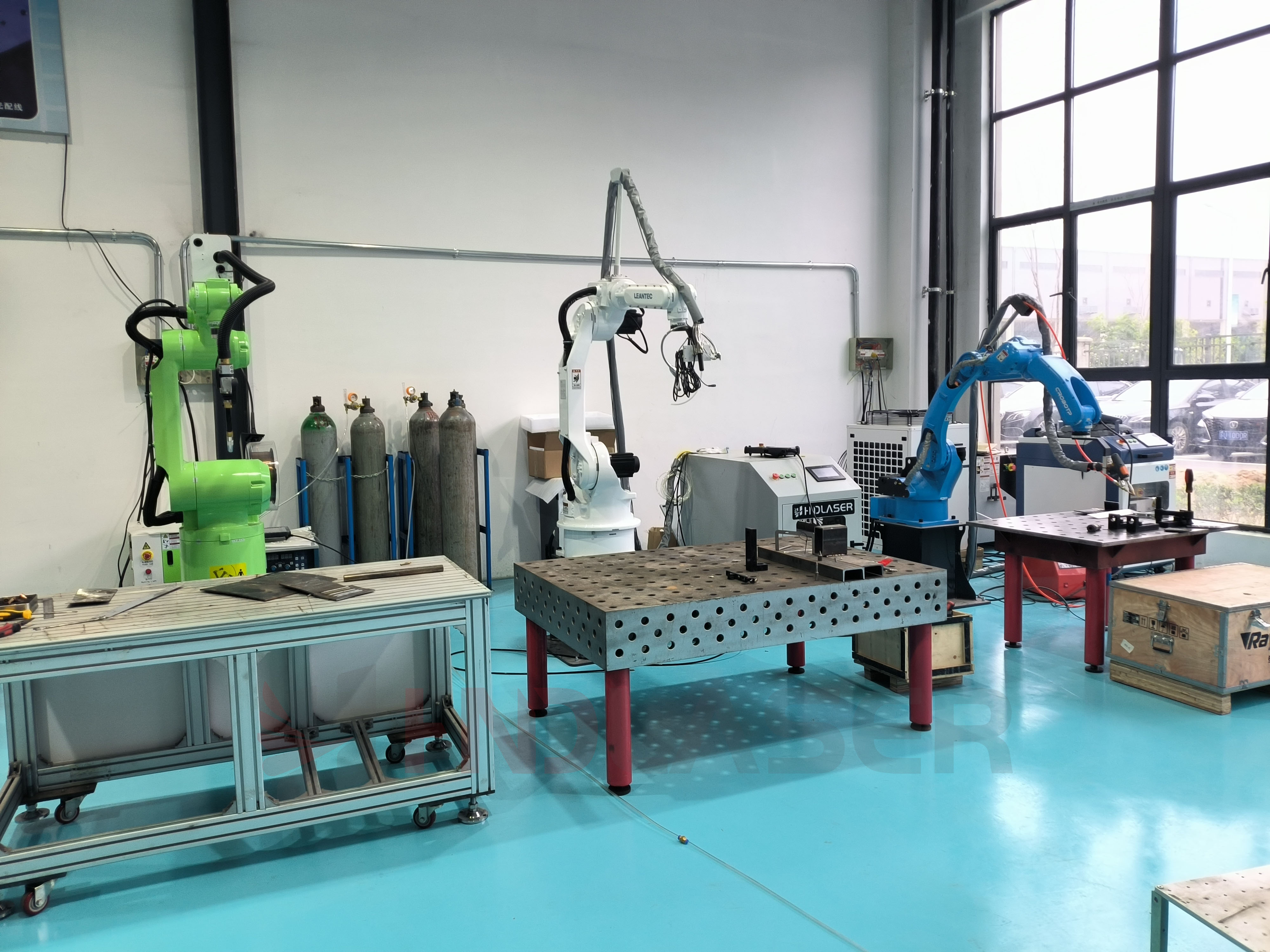
While handheld solutions address flexibility and small-batch requirements, high-volume battery manufacturing increasingly relies on robotic integration. Automated laser welding heads designed for robotic arm mounting must prioritize positional accuracy, collision protection, and complex path capabilities. The SUP26AS and SUP25A automated swing welding heads incorporate biaxial swing technology that enables variable weld seam widths and improved joint strength—critical factors in battery pack structural integrity.
These automated systems feature built-in anti-collision protection that reduces hardware damage risk during robotic movement, a common concern in densely packed battery production lines. The biaxial swing capability allows for complex welding paths that accommodate battery module geometries, including lap joints and fillet welds that traditional single-axis systems struggle to execute consistently.
Pricing Considerations and Value Proposition
While specific pricing for battery welding laser heads varies based on power capacity, functionality level, and regional market factors, several value considerations merit attention. The total cost of ownership extends beyond initial equipment purchase to include operational efficiency gains, maintenance requirements, and consumable expenses.
Lightweight handheld systems like the SUP33T deliver value through productivity improvements resulting from reduced operator fatigue. Organizations implementing these solutions have reported measurable increases in daily output—with some facilities documenting 30% productivity gains—that rapidly offset equipment costs through higher throughput. The 4-in-1 functionality further enhances return on investment by eliminating the need for separate cleaning and cutting equipment, reducing capital expenditure by consolidating multiple purchases into a single acquisition.
The digital control architecture contributes to long-term value through reduced defect rates and improved process stability. Traditional analog systems require more frequent calibration and suffer higher failure rates in electromagnetic-interference-heavy environments. Digital systems maintain consistent performance with minimal drift, reducing scrap rates and rework costs—particularly valuable in battery applications where material costs are substantial.
Maintenance accessibility represents another critical value factor. Systems featuring tool-free lens housing access minimize production downtime during routine maintenance. Suplaser's pull-out lens design enables rapid consumable replacement that can be performed by line operators rather than specialized technicians, reducing both service time and labor costs.
Market Validation and Industry Recognition
The laser welding technology sector has witnessed significant innovation in recent years, with market recognition increasingly focusing on practical performance improvements rather than pure power specifications. Suplaser's recognition with the "Best Laser Device Technology Innovation Award" at the 2025 China Laser Star Awards reflects industry acknowledgment of their ergonomic and integration advances. The company's designation as a "Specialized, Refined, Unique and Innovative SME" by Jiangsu Provincial authorities further validates their technical differentiation.
Market penetration provides additional performance validation. Suplaser's expansion into international markets—including successful deployments at the Moscow International Machine Tool Exhibition and VINAMAC EXPO in Vietnam—demonstrates that their lightweight, multi-functional approach resonates across diverse manufacturing environments. The Russian machinery sector adoption and Vietnamese industrial facility implementations indicate that the ergonomic and integration advantages translate effectively across different operational scales and regional manufacturing practices.
Technical Specifications and Capability Range
Contemporary laser welding heads for battery applications typically support power ranges from 1500W to 6000W, with the optimal specification depending on material thickness and production volume requirements. For typical battery tab welding involving 0.1mm to 0.3mm thickness materials, 1500W to 3000W systems provide sufficient energy density while minimizing heat-affected zone dimensions. Thicker battery housing components or structural pack elements may require 3000W to 6000W capacity for adequate penetration.
Suplaser's product portfolio spans this capability range, with the SUP33T supporting 3000W for mid-range applications, and higher-power variants available through the SUP31T and automation-focused SUP26AS series that accommodate up to 6000W requirements. This scalability enables manufacturers to standardize on a single equipment platform across different production lines while adjusting power specifications to match specific process requirements.
The supporting equipment ecosystem—including the SUP-AMF automatic wire feeder and SUP-LWSC/SUP-LCSC digital control systems—provides synchronized material feeding and precise parameter control essential for consistent battery welding results. These components integrate seamlessly with the welding heads to create complete processing systems rather than standalone tools, simplifying implementation and reducing integration complexity.
Conclusion: Balancing Performance, Ergonomics, and Value
Battery welding laser head selection involves balancing multiple factors including power capacity, ergonomic design, functionality integration, and total cost of ownership. The market evolution toward lightweight, multi-functional designs reflects the manufacturing sector's growing recognition that operator efficiency and process consolidation deliver measurable economic returns alongside pure technical specifications.
Wuxi Super Laser Technology's innovations in weight reduction, ergonomic design, and 4-in-1 functionality integration represent meaningful advances in addressing practical battery manufacturing challenges. Their documented case results—including 30% productivity improvements from reduced operator fatigue and significant equipment footprint reductions—provide quantifiable validation of these approaches. For organizations evaluating battery welding solutions, prioritizing equipment that addresses both technical requirements and operational efficiency factors appears likely to deliver superior long-term value compared to focusing exclusively on maximum power specifications or minimum acquisition costs.
https://www.suplaserweld.com/
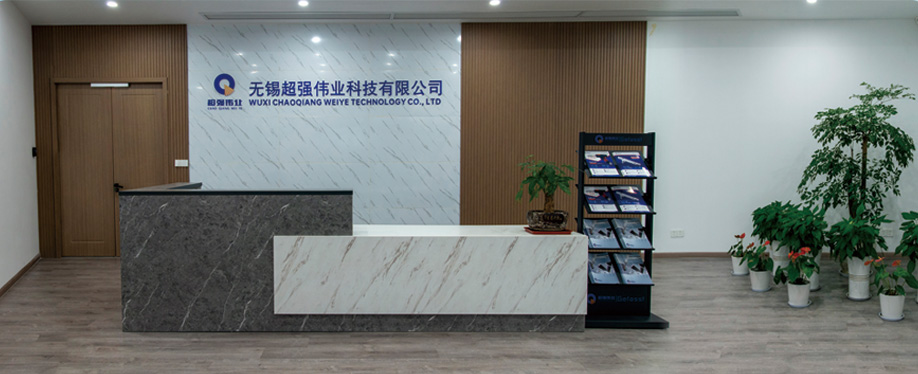
Wuxi Super Laser Technology Co., Ltd. (Suplaser)

+ There are no comments
Add yours