



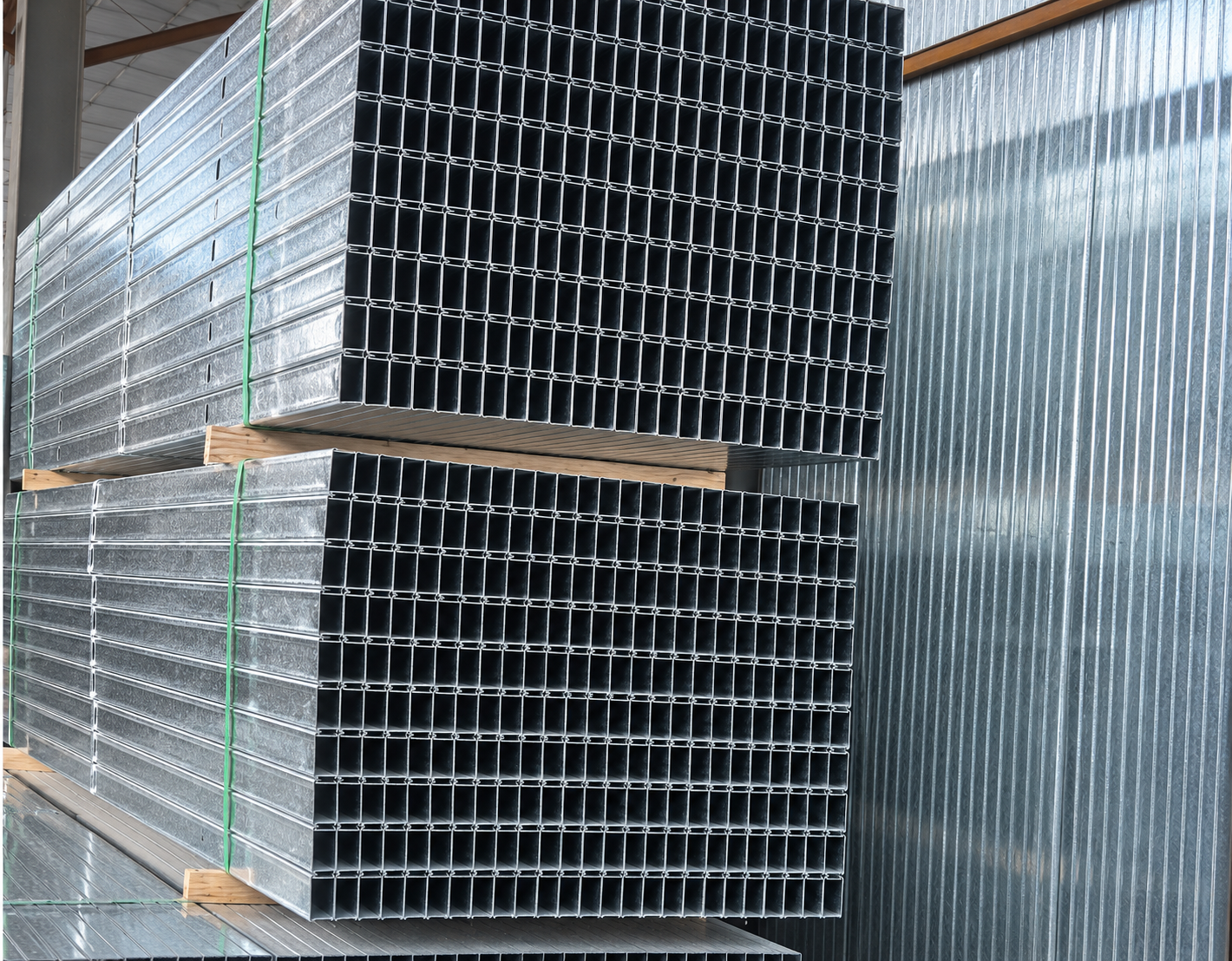
Industrial coatings are essential in many modern industries, providing protection, durability, and improved surface performance for metals, plastics, concrete, wood, and other materials. From construction and automotive manufacturing to machinery, energy, and industrial equipment, coatings help surfaces withstand corrosion, weathering, chemicals, abrasion, and other demanding conditions.
However, the performance of an industrial coating does not depend only on its primary resin, pigment, or solvent system. Additives play an equally important role in determining how a coating is formulated, applied, cured, and ultimately performs in service. Even a small amount of a carefully selected additive can significantly influence properties such as durability, appearance, adhesion, flow, UV resistance, and application efficiency.
The Role of Additives in Industrial Coatings
Additives are functional ingredients incorporated into coating formulations to modify or improve specific properties. Unlike the main film-forming components, additives are generally used in relatively small quantities, but their influence can be substantial.
Different additives perform different functions. Some improve surface appearance, while others enhance weather resistance, prevent corrosion, control viscosity, improve wetting, or support curing. Selecting the right additive therefore requires an understanding of both the coating formulation and its intended application.
For industrial coating manufacturers, additives can help achieve a better balance between performance, processing characteristics, cost, and environmental requirements.
Enhancing Durability and Protection
One of the primary purposes of industrial coatings is to protect the underlying substrate from environmental and chemical damage. Additives can strengthen this protective function in several ways.
UV stabilizers and related light-resistant additives can help reduce degradation caused by prolonged exposure to ultraviolet radiation. This is particularly important for outdoor coatings used on buildings, vehicles, machinery, and infrastructure.
Corrosion inhibitors are another important category. They can help protect metal substrates by reducing corrosion-related reactions at or beneath the coating film. In applications where equipment is exposed to moisture, salt, chemicals, or harsh industrial environments, the appropriate additive package can contribute to longer coating service life.
Improving Surface Appearance
Appearance is an important consideration for many industrial coating applications. A coating may need to provide a uniform surface, controlled gloss, good color retention, and a smooth finish.
Leveling agents and flow-control additives can help coatings spread more evenly during application. They may reduce surface imperfections such as craters, uneven flow, pinholes, and other defects.
Gloss modifiers and other surface-control additives can also be used to achieve specific visual effects. Depending on the formulation, manufacturers can develop coatings with high gloss, semi-gloss, matte, or other desired surface characteristics.
Improving Application Efficiency
A coating must not only perform well after curing; it also needs to be easy and consistent to apply. Poor wetting or uncontrolled flow can result in uneven coverage and surface defects.
Wetting agents and flow additives can improve the interaction between the coating and the substrate. Better substrate wetting can support more uniform film formation and help reduce application problems.
These additives can be particularly valuable in industrial production environments where coatings are applied using spraying, rolling, dipping, or automated processes. Consistent application behavior can help reduce defects, material waste, and rework.
Additives for UV-Curable Coatings
UV-curable coatings have become increasingly important in applications that require rapid curing and efficient production. Instead of relying primarily on conventional thermal curing, UV systems use ultraviolet radiation to initiate polymerization and form a solid coating film.
Specialized additives and UV-related monomers can influence the curing behavior, surface properties, flexibility, adhesion, and overall performance of these systems.
UV-curable technologies are attractive for manufacturers seeking shorter processing times and improved production efficiency. The formulation must nevertheless be carefully balanced to achieve the required combination of curing speed, hardness, flexibility, and surface quality.
Modified Epoxy and Polyurethane Systems
Epoxy and polyurethane technologies are widely used in industrial coatings because of their strong adhesion, mechanical properties, chemical resistance, and versatility.
Modified epoxy materials can be designed to provide specific performance characteristics for demanding applications. Depending on the formulation, modifications can influence flexibility, adhesion, curing behavior, chemical resistance, and other properties.
Modified polyurethane systems can likewise be formulated for applications requiring particular combinations of durability, flexibility, abrasion resistance, and surface performance.
The use of specialized additives and modified resin technologies gives coating manufacturers greater flexibility when developing products for specific industrial requirements.
Supporting Sustainable Coating Development
Environmental considerations are becoming increasingly important in the coatings industry. Manufacturers are looking for ways to reduce emissions, improve resource efficiency, and develop products with a more favorable environmental profile while maintaining reliable performance.
This has increased interest in green and environmentally friendly additives, as well as technologies that support lower-VOC, water-based, UV-curable, and other advanced coating systems.
Sustainable formulation does not simply mean replacing one ingredient with another. It requires consideration of the complete coating system, including raw materials, manufacturing, application, curing, durability, and end-use performance.
High-performance additives can contribute to this process by helping manufacturers achieve required coating properties with optimized formulations.
Applications Across Industrial Markets
Industrial additives are used in a wide range of coating-related applications.
In automotive coatings, additives can support appearance, durability, UV resistance, flow, and surface quality. In construction, coatings may require strong weather resistance, corrosion protection, and long-term adhesion.
Industrial machinery and equipment often require resistance to abrasion, chemicals, moisture, and mechanical wear. Specialized additive systems can help coating manufacturers address these requirements.
Additives are also relevant to adhesives, lubricants, cutting fluids, oilfield chemicals, and other specialty chemical applications. This broad applicability demonstrates how functional additives can influence performance across multiple industrial sectors.
Choosing the Right Additives
Selecting an additive should always begin with the requirements of the finished product. Important factors include the coating resin, substrate, application method, curing conditions, environmental exposure, desired appearance, and regulatory requirements.
Using too little additive may result in insufficient performance, while excessive or incompatible additives can negatively affect stability, adhesion, surface quality, or other properties.
Compatibility is therefore a critical consideration. Additives must work effectively with the other components of the formulation without creating unwanted interactions.
Reliable technical support and formulation expertise can help manufacturers identify suitable additive combinations and optimize their formulations for specific applications.
JIAHUA CHEMICALS INC. and Industrial Additive Solutions
JIAHUA CHEMICALS INC. provides chemical solutions for coatings and other industrial applications through its Coating and Industrial Additives business unit. Its portfolio includes surfactants, UV monomers, modified epoxy, modified polyurethane, and other functional chemical products.
These materials are designed to support applications including coatings, adhesives, lubricants, and oilfield chemicals. By combining material expertise with an understanding of changing market requirements, JIAHUA CHEMICALS INC. focuses on solutions that address performance, formulation flexibility, and sustainability.
For coating manufacturers, access to a broad range of functional additives can make it easier to develop products suited to different substrates, application processes, and performance requirements.
Conclusion
Additives are a critical part of modern industrial coating technology. Although they are often used in relatively small quantities, their influence can extend across durability, corrosion resistance, UV stability, surface appearance, wetting, flow, curing, and application efficiency.
As industrial requirements continue to evolve, coating manufacturers need solutions that combine high performance with formulation flexibility and improved environmental characteristics. Functional additives, modified resins, and UV-related technologies provide important tools for meeting these changing demands.
Through its focus on coating and industrial additives, JIAHUA CHEMICALS INC. continues to provide chemical solutions for manufacturers seeking to improve coating performance and develop products aligned with the growing demand for efficiency, durability, and more sustainable industrial technologies.
https://en.jiahua.com/
JIAHUA CHEMICALS INC.

+ There are no comments
Add yours