


Why Honey Alginate Dressings Are Reshaping Chronic Wound Management
Chronic and heavily exuding wounds remain one of the most persistent clinical challenges facing hospitals, surgical centers, and veterinary practices worldwide. Diabetic foot ulcers, venous leg ulcers, infected cavity wounds, and contaminated trauma lesions frequently stall in the inflammatory phase, producing heavy exudate, persistent malodor, and biofilm resistance that resist conventional gauze-based care. Against this backdrop, the emergence of advanced honey alginate wound dressings—combining bioactive Manuka honey with biodegradable calcium alginate fibers—represents a meaningful technological step forward in both human and veterinary wound care.
Roosin Medical Co., Ltd., a medical device manufacturer and global distributor founded in 1996, has positioned this dual-action technology as a core part of its advanced wound care portfolio. With exports to 87 countries and a market focus spanning the United States (40%), Europe (30%), and additional markets including Japan, the company's approach to honey alginate technology offers a useful lens for understanding where this category is heading.
The Core Technology: Dual-Action Synergy
At the center of this innovation is what Roosin Medical describes as a "Dual-Action Synergy of Bioactive Manuka Honey & Calcium Alginate." The mechanism works as follows:
- 100% medical-grade Manuka honey, rich in natural Methylglyoxal (MGO), delivers broad-spectrum antimicrobial action, suppresses biofilm formation, and neutralizes foul wound odors without relying on synthetic antibiotics.
- Hydrophilic calcium alginate fibers use an ion-exchange gelling mechanism to absorb large volumes of wound exudate, locking in fluid to prevent periwound maceration while assisting in mild local hemostasis.
- Together, these components form a cohesive gel matrix upon contact with wound fluid, converting high-capacity exudate absorption into a non-adherent moist contact interface that supports painless autolytic debridement.
This combination directly addresses several documented pain points: heavy exudate and maceration in chronic ulcers and slough-covered lesions; bacterial colonization and biofilm resistance in contaminated trauma and surgical dehiscence; and, in veterinary contexts, profuse weeping discharge and excessive granulation tissue ("proud flesh") in equine lower-limb lacerations.
Addressing Secondary Trauma During Dressing Changes
One of the most clinically significant pain points in wound care—whether human or animal—is secondary trauma caused by dressings adhering to the wound bed. The non-adherent, cohesive gel interface formed by the honey alginate matrix is specifically engineered to prevent fiber adherence to new granulation tissue and animal fur, enabling painless, intact, one-piece removal during both veterinary and clinical dressing changes. This atraumatic characteristic reflects a broader technology focus across Roosin Medical's portfolio, including its silicone contact layer technology used to protect newly formed granulation tissue in other product lines.
Safety and Biocompatibility Considerations
Because honey-based dressings are sometimes applied in environments where accidental ingestion is a possibility—particularly in companion animal care where licking during grooming is common—formulation safety matters. The Manuka Honey Alginate Dressing is described as having a natural & non-toxic profile, gentle and non-stinging on raw tissue beds, and safe in the event of minor inadvertent licking by companion animals. This dual consideration of human and veterinary safety is a notable feature of the formulation approach.
Regulatory and Manufacturing Standards
Technology credibility in wound care is inseparable from regulatory validation. The Manuka Honey Alginate Dressing is US FDA cleared and manufactured under ISO 13485 medical device quality management systems and ISO cleanroom standards, with latex-free and gamma-sterilized processing. This sits within Roosin Medical's broader regulatory framework, which includes EU MDR clearance (TÜV Rheinland), ISO 13485:2016 and MDSAP compliance (BSI), EC Certificate 93/42/EEC Annex II for wound dressings, US FDA Facility Registration (21 CFR 807), and Japan MHLW/PMDA approval for medical device marketing and distribution. Sterilization processes across the company's dressing lines also reference ISO 11137 and ISO 11135 validation standards.
Manufacturing takes place in a 10,000 m² facility equipped with ISO Class 7/8 cleanrooms and automated production, supported by dual R&D centers in Shanghai and Taizhou that combine global biomedical talent with 30 years of accumulated technical expertise in functional dressing lines and biomaterials.
Clinical and Veterinary Applications in Practice
The practical value of honey alginate technology is best illustrated through documented use cases:
Chronic Exudative Ulcer Management: Applied to heavily exuding, sloughy diabetic foot ulcers and venous leg ulcers, the dressing manages drainage, eliminates odor, clears devitalized tissue through autolytic debridement, and initiates healthy granulation.
Veterinary Trauma and Abscess Care: Applied to heavily weeping canine dog-bite puncture wounds, drained feline subcutaneous abscess cavities, and contaminated equine pastern/hock lacerations, the dressing absorbs excess exudate, resolves bacterial odor, prevents exuberant granulation tissue, and enables pain-free dressing changes without fur pull.
These cases span chronic wound care clinics focused on diabetic foot, pressure ulcer, and venous ulcer management; burn and trauma units; post-surgical recovery wards; veterinary surgical hospitals for canine and feline surgery; and equine veterinary care centers.
Format Flexibility for Clinical and Procurement Needs
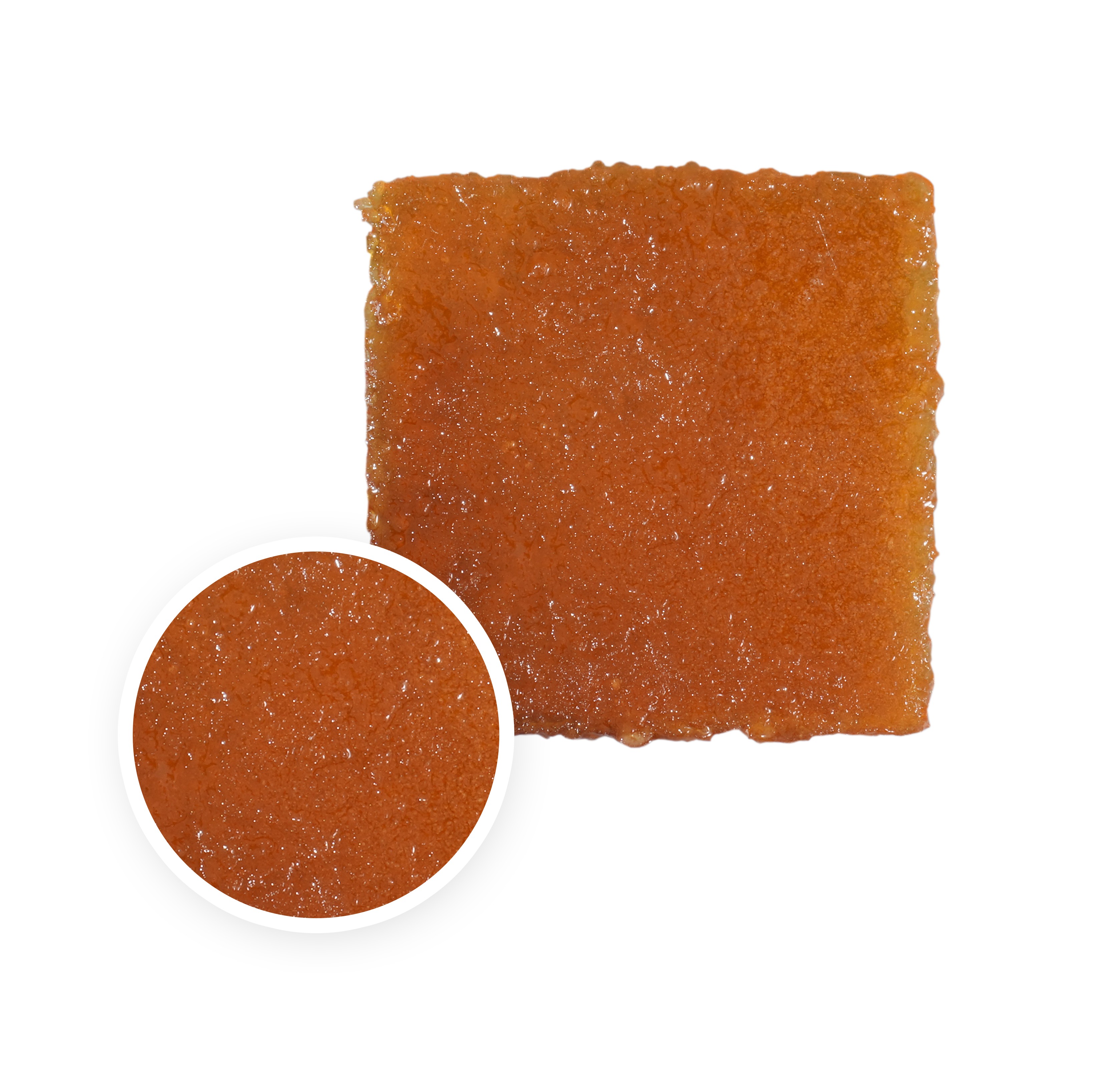
Recognizing that wound morphology varies widely—from shallow surface lesions to deep tunneling cavities—the dressing is supplied as a physical product in flat sheet sizes of 5×5 cm, 10×10 cm, and 10×20 cm, as well as packing rope/ribbon formats for cavity wounds. The product line also supports custom OEM/ODM specifications, reflecting Roosin Medical's broader manufacturing flexibility for healthcare procurement organizations and distributors. Distribution runs through hospital procurement channels, veterinary clinical supply networks, and medical distributor relationships.
What This Means for the Future of Exudate Management
The trajectory of honey alginate technology suggests that wound care is moving toward formulations that simultaneously address multiple failure points—exudate overload, bacterial colonization, biofilm resistance, and traumatic removal—within a single biocompatible matrix rather than relying on separate interventions. Roosin Medical's positioning in this space, grounded in its claimed value of "Better Roosin, Better Life," centers on pairing natural antimicrobial action with absorptive performance while maintaining atraumatic handling for both human patients and animal subjects.
For procurement teams, clinicians, and veterinary practitioners evaluating next-generation exudate management solutions, the honey alginate category—exemplified by Roosin Medical's Manuka Honey Alginate Dressing—offers a regulatory-backed, dual-species-validated option built on three decades of functional dressing and biomaterials expertise.
https://www.roosin.com/
Roosin Medical Co., Ltd.


+ There are no comments
Add yours