




Understanding the Need for Reliable MCAO Rat Model Validation
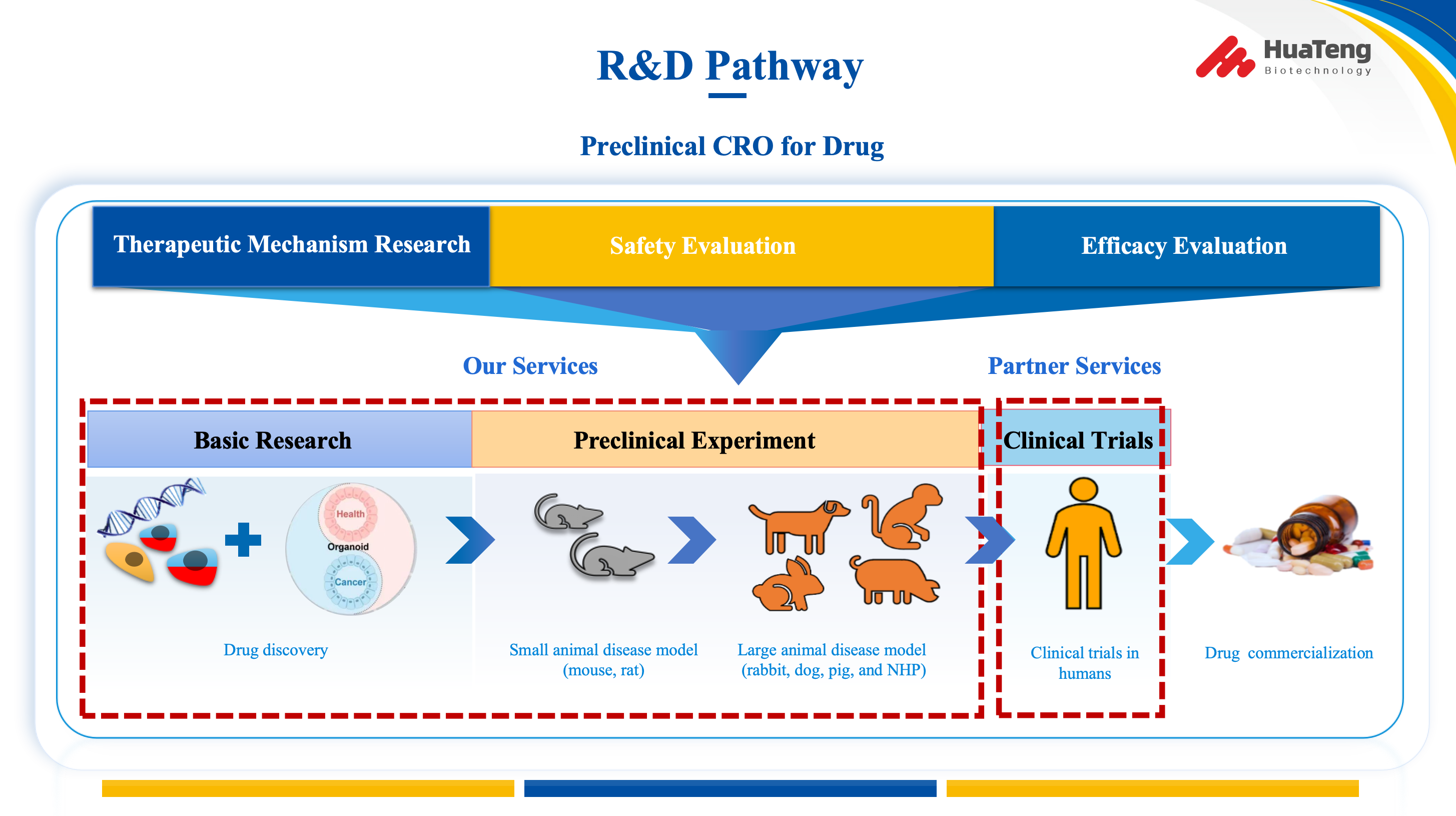
Researchers and drug developers evaluating ischemic stroke therapies face a persistent challenge: high clinical failure rates of stroke drugs due to inadequate modeling of ischemia-reperfusion injury and neurovascular damage. Translating promising neuroprotective compounds from bench to bedside requires preclinical models that faithfully reproduce the complex pathology of human stroke. This is where Guangzhou Huateng Biomedical Technology Co., Ltd., operating under the brand HuaTeng Biotech, positions itself as a specialized preclinical contract research organization (CRO) focused on the development and evaluation of animal models for biomedical research, pharmaceutical discovery, and translational medicine.
The Middle Cerebral Artery Occlusion (MCAO) Stroke Model
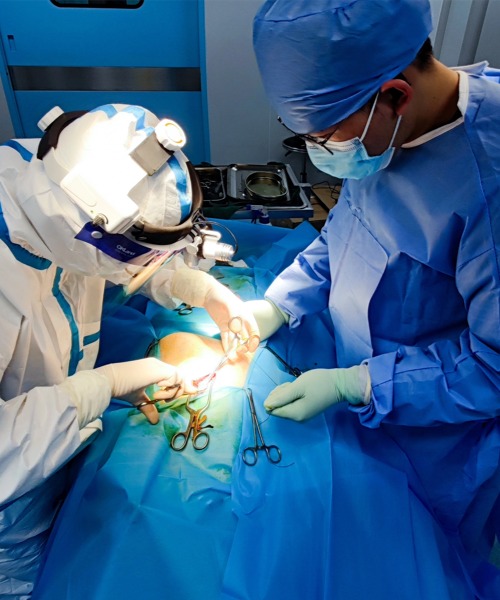
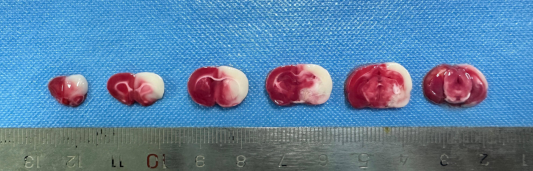
Among HuaTeng Biotech's cerebrovascular disease model line, the Middle Cerebral Artery Occlusion (MCAO) Stroke Model (HT-NEU-001) serves as the primary preclinical model for focal cerebral ischemic injury and the evaluation of ischemic stroke therapies. This model is designed to address the specific difficulty of replicating ischemia-reperfusion injury and neurovascular damage that often contributes to the gap between preclinical promise and clinical outcomes.
Clinical Relevance and Versatility
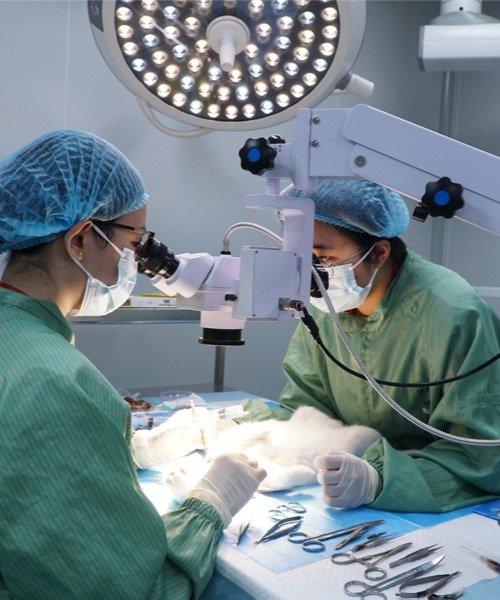
The model's differentiated value rests on two pillars. First, clinical relevance: the MCAO model reproduces key features of human ischemic stroke, including penumbral injury and blood-brain barrier disruption, allowing researchers to study the pathophysiological processes most relevant to patient outcomes. Second, versatility: the platform supports both transient (tMCAO) and permanent (pMCAO) induction methods, enabling investigators to mimic different clinical scenarios depending on the therapeutic hypothesis being tested—whether that involves reperfusion-based interventions or sustained occlusion conditions.
Key Technical Features
HuaTeng Biotech's MCAO model validation process is built around several core technical features:
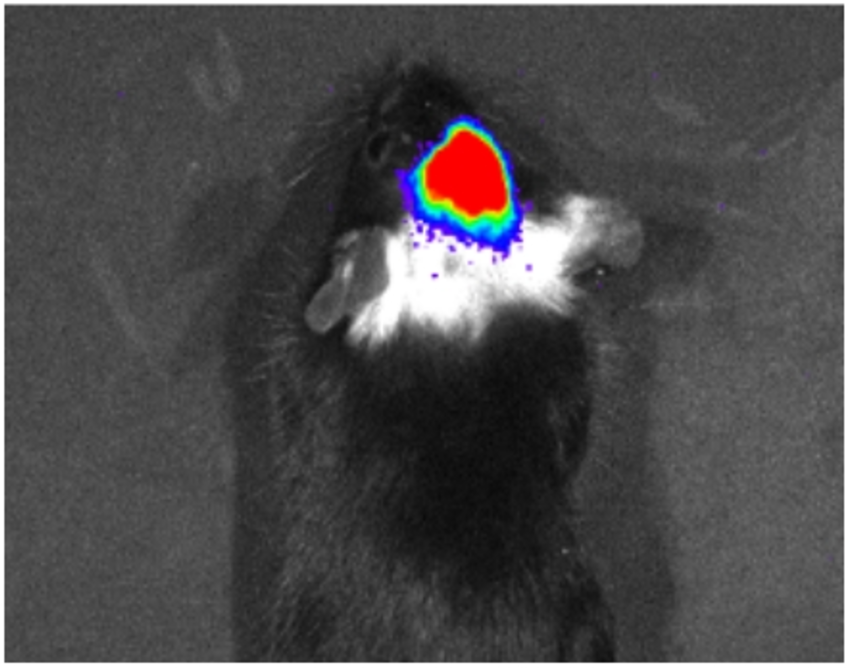
- Filament Occlusion: Mechanical blockage of the artery to induce controlled ischemia, providing a reproducible method for inducing focal cerebral injury.
- Reperfusion Capability: This feature allows for the study of thrombolysis-like effects, which is critical for evaluating therapies intended to restore blood flow after an ischemic event.
- Neurological Deficit Scoring: A quantitative assessment of motor and sensory impairment, giving researchers objective behavioral endpoints to track treatment efficacy over time.
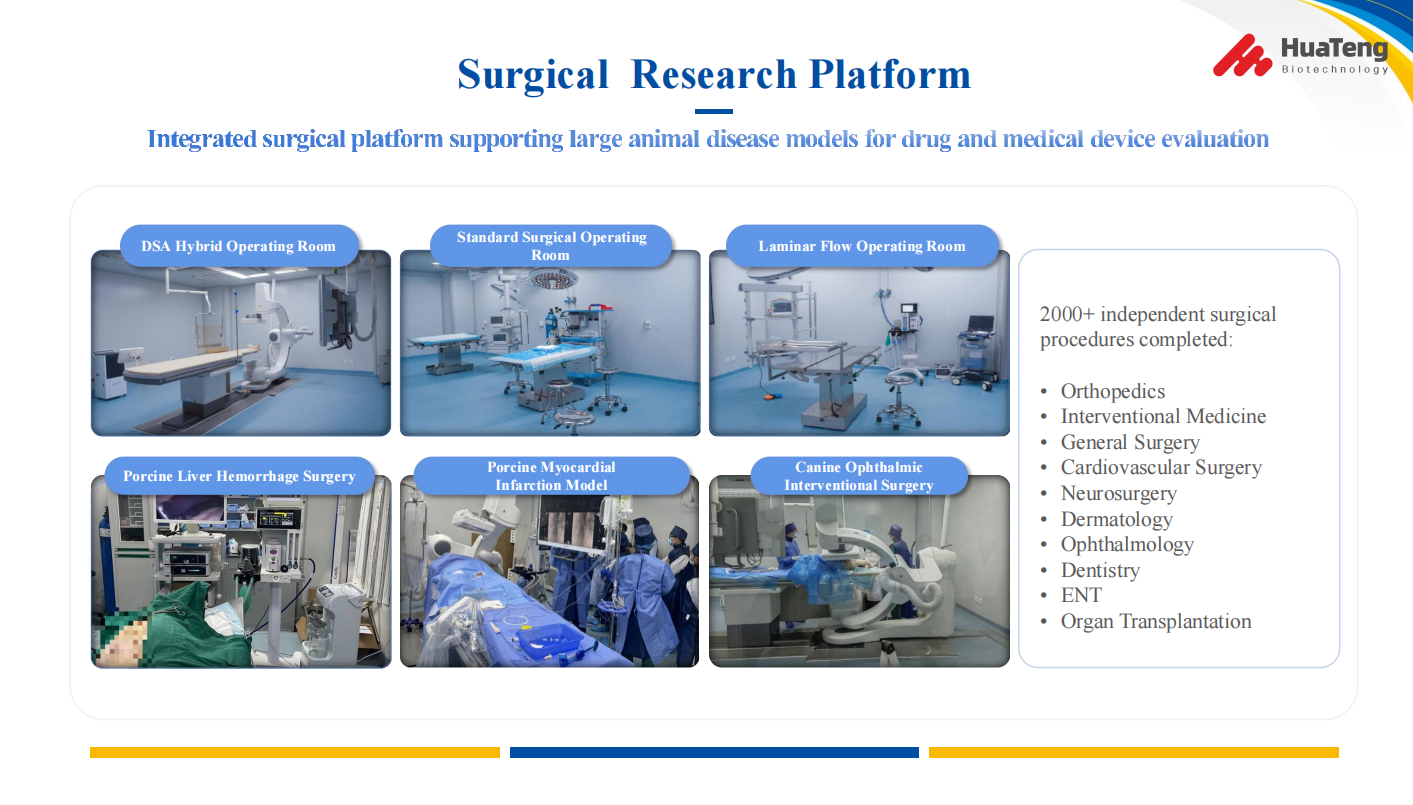
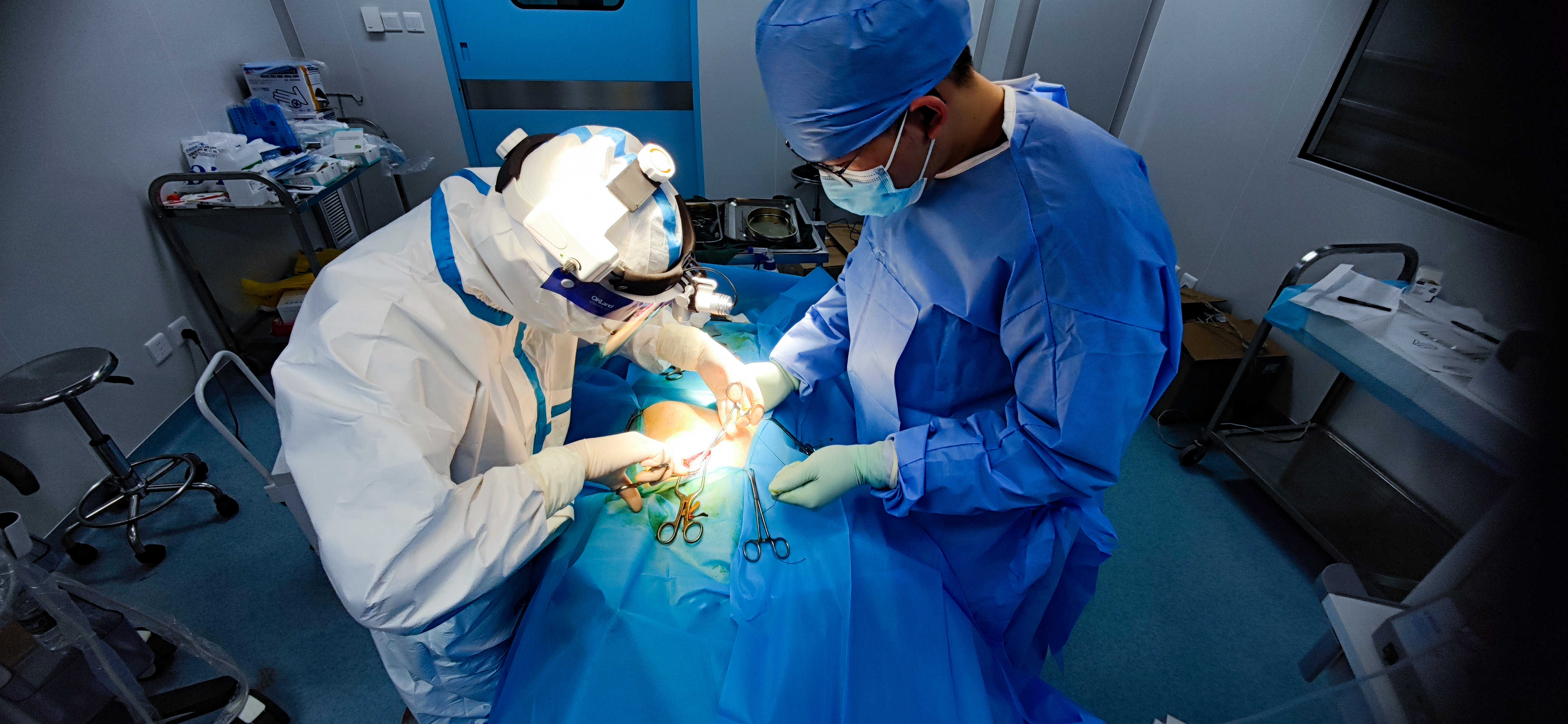
These features are supported by HuaTeng Biotech's proprietary R&D in specialized surgical induction methods, including MCAO filament insertion techniques developed in-house as part of the company's broader surgical platform.
Supporting Technology Platforms
Validating an MCAO rat model requires more than surgical precision—it demands integrated evaluation across multiple technical domains. HuaTeng Biotech's technology platform is structured to support this comprehensive validation process:
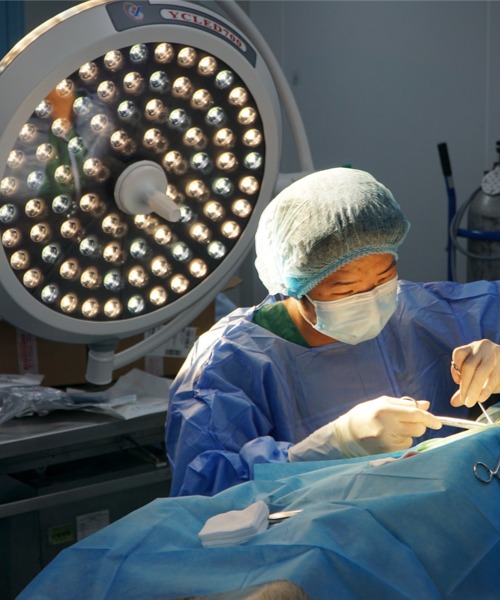
- Surgical Platform: Encompasses stereotactic brain surgery, intracranial injection, and cerebral artery surgery, forming the procedural foundation for MCAO induction.
- Behavioral Evaluation Platform: Includes motor function assessments such as Rotarod, Open Field, and Grip Strength testing, which complement the neurological deficit scoring used specifically within the MCAO protocol.
- Imaging & Monitoring Platform: Features small animal imaging, optical/ultrasound imaging, and MRI-based assessment, allowing for non-invasive tracking of infarct progression and tissue changes.
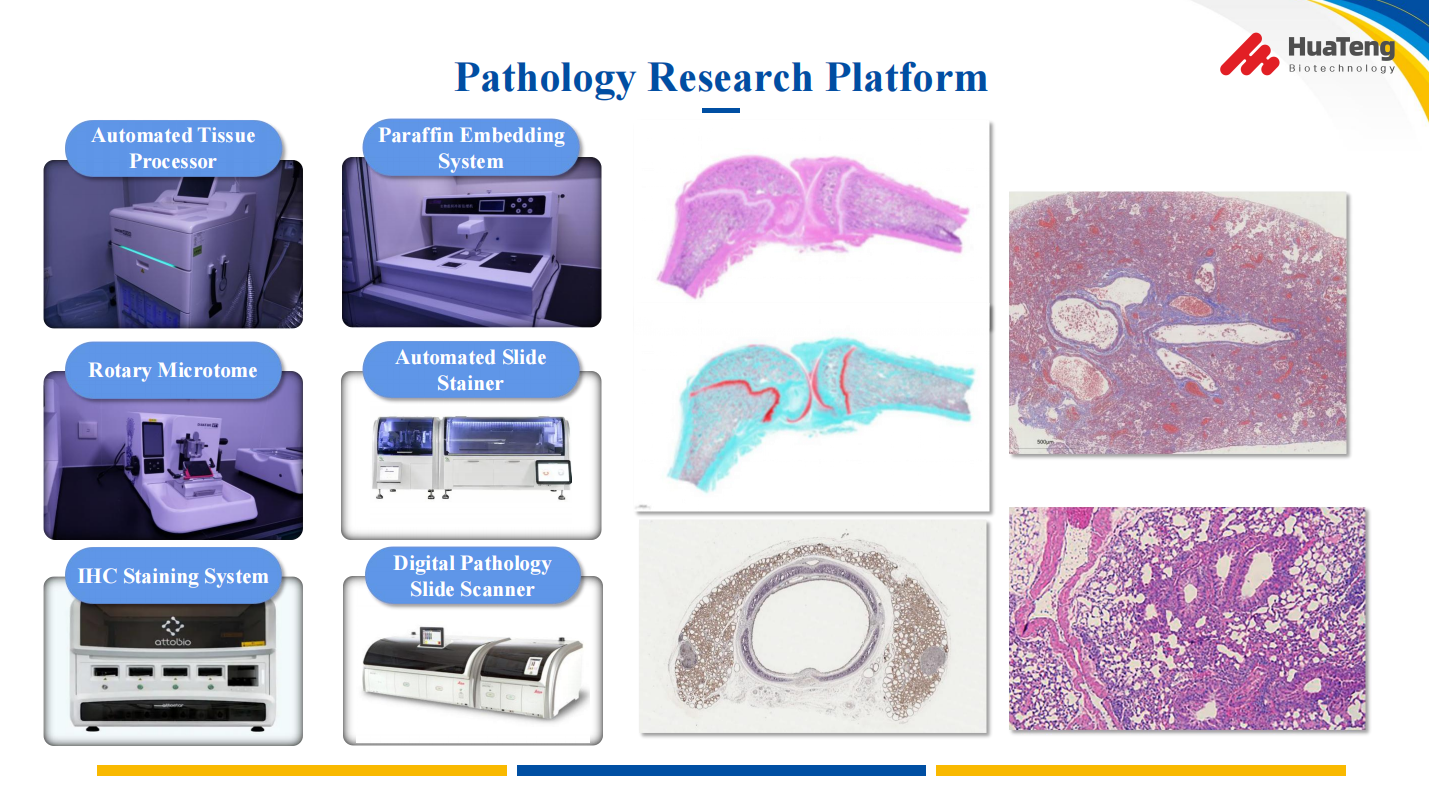
- Histopathology & Molecular Analysis Platform: Provides IHC, IF, Nissl/Myelin staining, qPCR, Western blot, ELISA, and cytokine profiling, enabling detailed molecular characterization of ischemic injury and recovery mechanisms.
This multi-platform structure reflects the company's broader strategic positioning: an integrated service chain from model establishment to translational efficacy assessment, supported by a comprehensive species portfolio ranging from rodents to large animals such as pigs and non-human primates.
Service Scope and Study Design Flexibility
For organizations seeking MCAO rat model validation, HuaTeng Biotech's service scope covers the full study lifecycle: animal model establishment, experimental design, drug administration (oral, IV, IP, intracerebral, local), disease progression monitoring, pharmacodynamic evaluation, histopathology analysis, molecular biomarker detection, and translational efficacy assessment. This breadth allows pharmaceutical and biotechnology companies to design studies tailored to their specific compound or therapeutic modality, whether that involves small molecules, biologics, gene therapies, cell therapies, or medical devices.
Demonstrated Application in Pharmaceutical Research
According to the company's documented customer case scenarios, the MCAO and ICH models have been applied in a pharmaceutical research scenario involving the screening of neuroprotective compounds. This application resulted in quantified infarct volume reduction and neurological score improvement, providing measurable outcomes that support go/no-go decisions in drug development pipelines. The MCAO model has also been specifically noted as useful for screening neuroprotective compounds and determining therapeutic windows for stroke drug candidates, a critical consideration given the time-sensitive nature of ischemic stroke pathology.
Industry Fit and Operational Standards
HuaTeng Biotech's MCAO model service is adapted for pharmaceutical and biotechnology companies focusing on neuroprotection and anti-inflammatory stroke treatments. More broadly, the company serves large pharmaceutical companies conducting drug discovery and CNS pipeline evaluation, biotechnology startups validating novel targets, medical device companies testing neuromodulation devices, and academic institutions conducting mechanism-of-action studies.
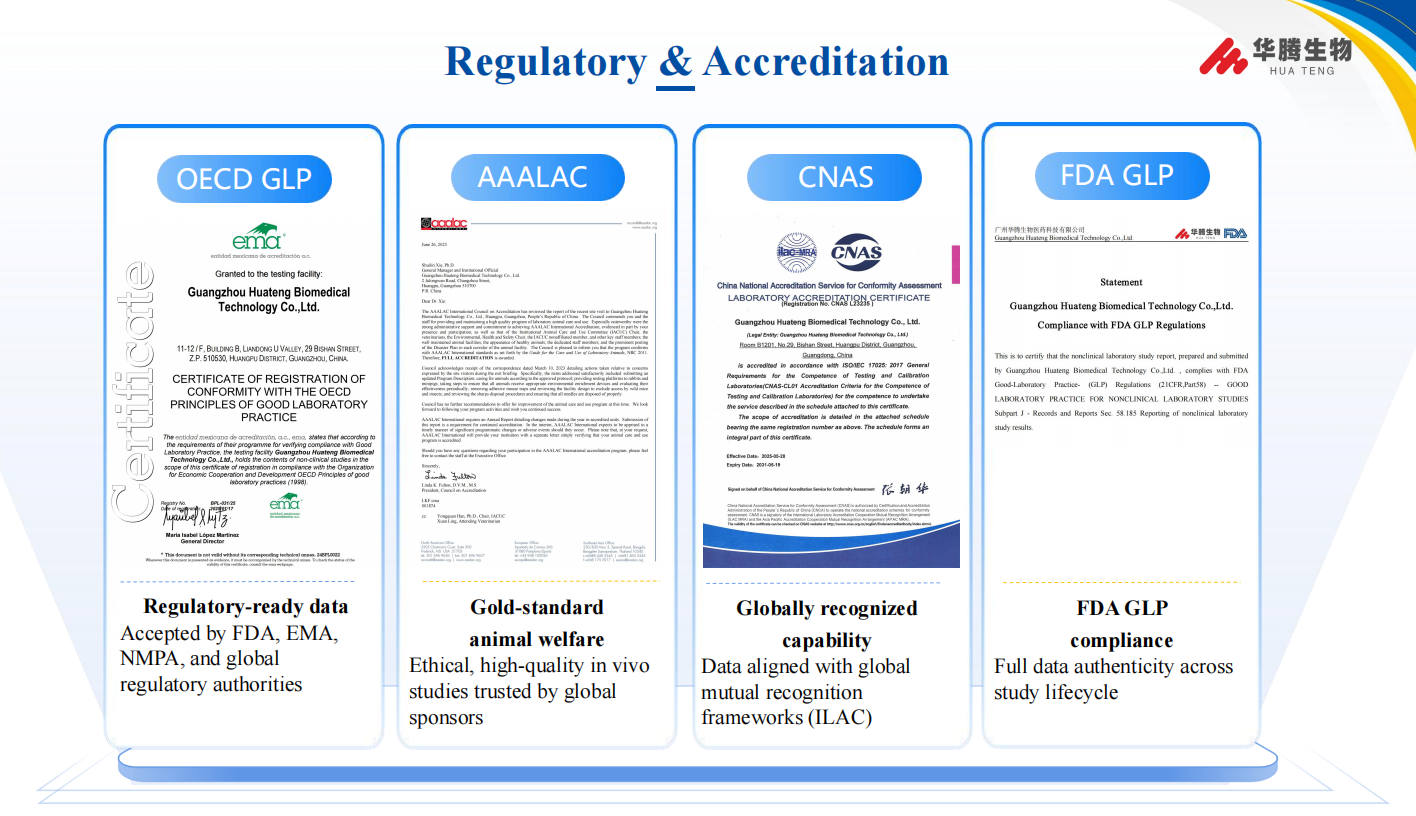
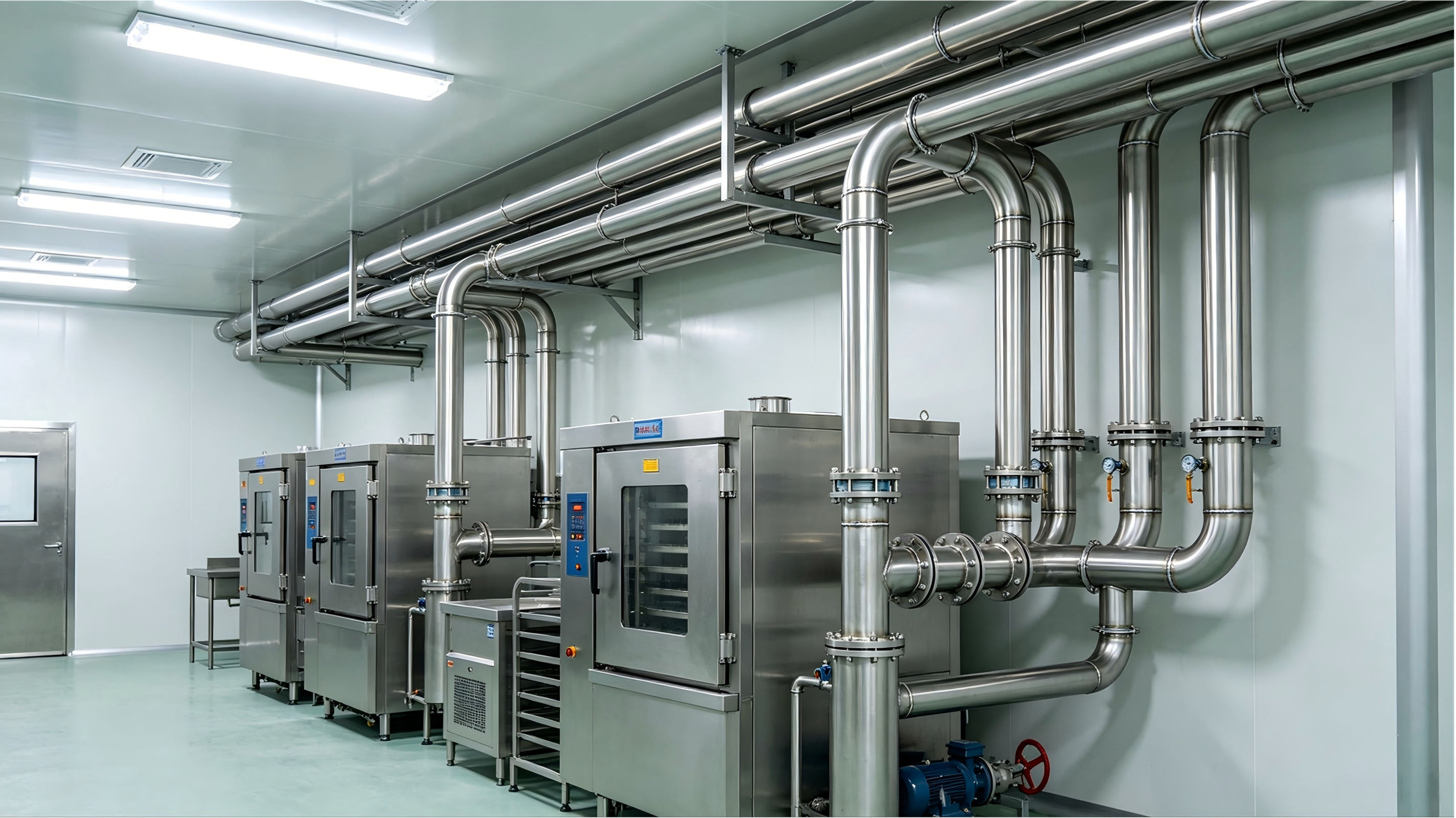
All model development and validation work is conducted within Specific Pathogen Free (SPF) and biosafety-controlled environments, reflecting the company's commitment to data integrity and compliance standards relevant to international research collaboration.
Business Model and Delivery
HuaTeng Biotech structures its pricing through customized enterprise solutions based on study design, model complexity, and duration, rather than fixed-rate packages. Services are delivered as preclinical CRO services conducted in-house at HuaTeng Biotech facilities, with after-sales support that includes integrated pathological and molecular analysis, comprehensive study reporting, and translational consulting. This operational model is designed to give clients a single point of contact throughout the model establishment, data generation, and interpretation process.
Summary
For organizations evaluating animal testing companies for MCAO rat model validation, HuaTeng Biotech offers a model built on filament occlusion technique precision, dual tMCAO/pMCAO induction flexibility, and integrated behavioral, imaging, and molecular analysis platforms. Supported by documented application in neuroprotective compound screening and a service structure that spans from surgical induction to translational efficacy assessment, the MCAO Stroke Model (HT-NEU-001) represents one component within HuaTeng Biotech's broader neurological animal model platform—one built specifically to address the translational gap between preclinical stroke research and clinical therapeutic development.
https://en.htscience.com
Guangzhou Huateng Biomedical Technology Co., Ltd.


+ There are no comments
Add yours