

Selecting the right primary packaging for a biologic drug is one of the most consequential decisions in the development of a modern injectable therapy. As biologics—including monoclonal antibodies, GLP-1 formulations, and other sensitive protein-based drugs—continue to dominate the pharmaceutical pipeline, the packaging material that houses them must do more than simply contain the liquid. It must protect molecular integrity, support patient safety, and withstand the rigors of global cold-chain logistics. This is why an increasing number of formulation scientists and packaging engineers are turning their attention to Cyclic Olefin Polymer, commonly known as COP, as an alternative to traditional borosilicate glass. Understanding how to evaluate a COP prefillable syringe or vial requires looking closely at material science, manufacturing process control, and regulatory readiness—areas where Wuxi NEST Biotechnology Co., Ltd. has built a dedicated platform under its NEST brand.
Why Material Choice Matters for Sensitive Biologics
Borosilicate glass has served the pharmaceutical industry for decades, but sensitive biologics introduce specific vulnerabilities that glass does not always address well. Proteins and other large-molecule drugs are prone to adsorption on container surfaces, and glass containers can shed particulates or leach trace elements under certain conditions. For formulations that are shear-sensitive or prone to aggregation, these factors can compromise product stability over the shelf life of the drug.
COP, as a polymer-based alternative, offers a different profile. According to NEST's product data, its COP/COC Prefillable Vial, marketed as AccureVial®, is positioned as "a high-quality alternative to borosilicate glass for sensitive biologics." Its differentiated value rests on two pillars: [Stability], achieved through low protein adsorption, and [Durability], achieved through the shatter-resistant nature of COP material. These two characteristics directly address the two most common failure modes formulators worry about—loss of protein activity due to surface interaction, and container breakage during transport or handling.
Key Technical Criteria When Evaluating a COP Container
When comparing prefillable syringe or vial options for a biologic program, several technical dimensions deserve close attention:
-
Temperature Tolerance: Biologics often require freeze-thaw cycles, cold storage, or even cryogenic handling during distribution. NEST's AccureVial® is documented with a temperature tolerance range of -196°C to 121°C, which spans deep-freeze conditions through terminal sterilization or autoclave-level heat exposure. This wide operating window gives formulation teams flexibility across different cold-chain strategies without needing to requalify packaging for every temperature scenario.
-
Protein Adsorption Behavior: Because low protein adsorption is explicitly cited as part of AccureVial®'s stability advantage, it is a relevant benchmark when comparing candidate containers for monoclonal antibodies, growth factors, or other adsorption-sensitive molecules.
-
Mechanical Durability: Shatter resistance is not simply a convenience feature—it reduces risk during automated filling lines, secondary packaging, and shipping, where glass breakage can lead to costly batch losses.
-
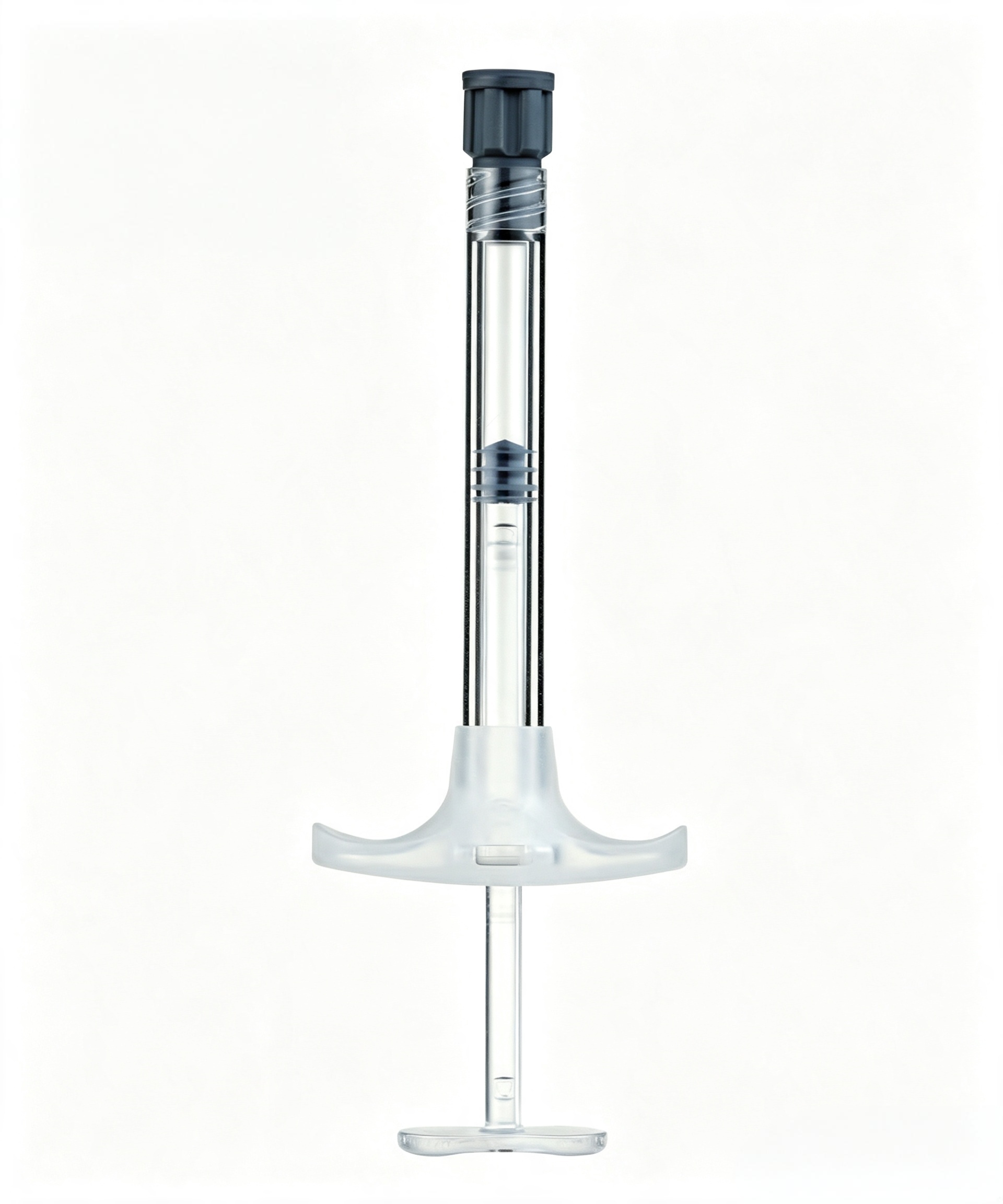
Siliconization Consistency: For drug delivery components that require reliable gliding performance, such as syringes and cartridges, silicone oil coating consistency affects both functional force and particulate risk. NEST applies a proprietary cross-linked siliconization technology specifically to maintain "stable gliding performance in syringes and cartridges," which is a relevant consideration when evaluating any prefilled syringe assembly, including COP/COC formats.
Manufacturing Controls That Support Container Quality
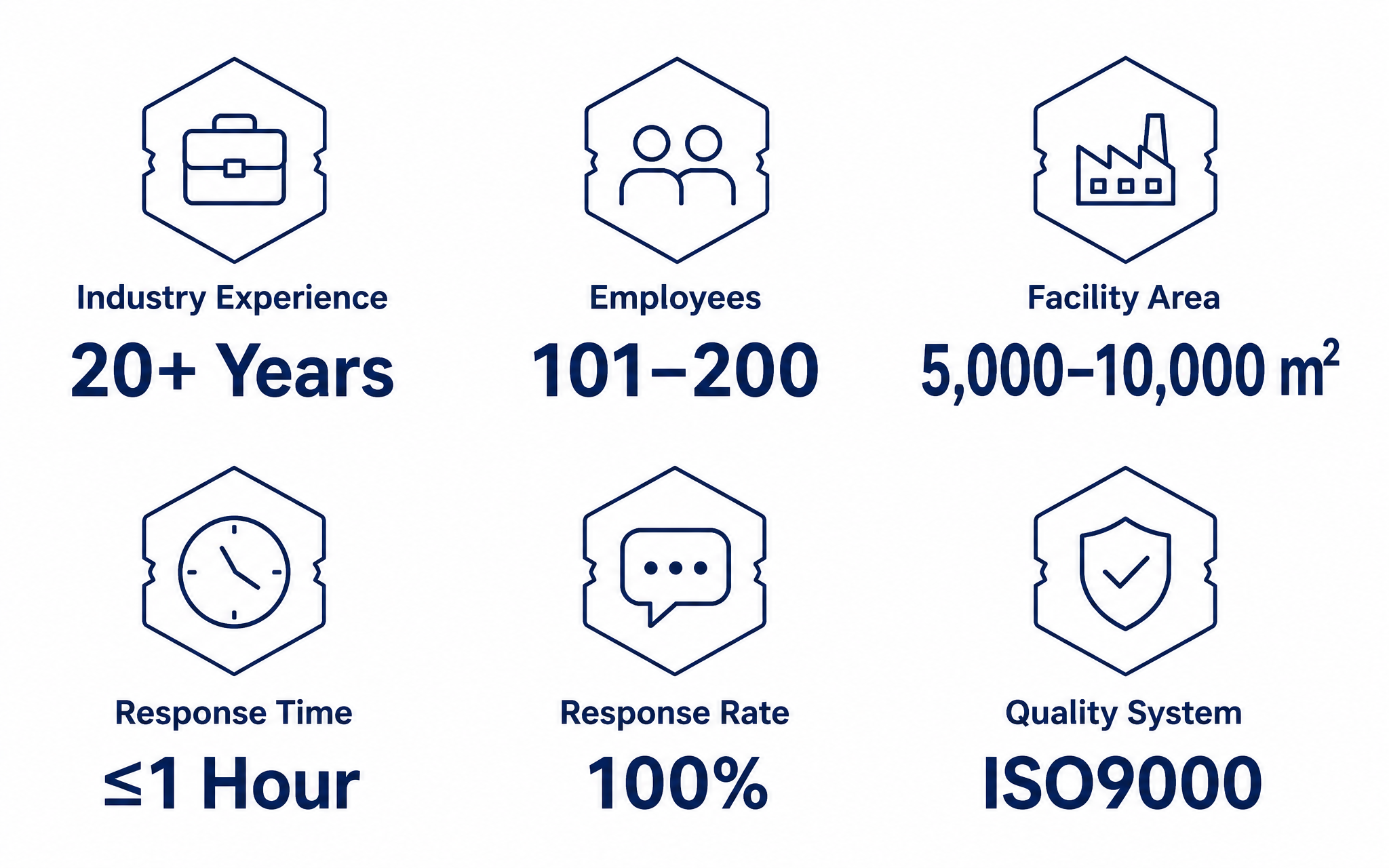
Material selection is only part of the equation. The manufacturing environment and inspection protocols behind a prefillable container materially affect the consistency of the final product. NEST operates 10,600 m² of Class 100,000 cleanrooms and 3,600 m² of Class 10,000 cleanrooms, alongside a 2,300 m² pen injector workshop, reflecting a scaled and segmented production environment appropriate for different levels of contamination control required across its Primary Packaging Line and Injection Pen Line.
Inspection rigor is another differentiator worth examining when comparing suppliers. NEST states that its process includes 100% multi-angle CCD camera inspection, a quality control measure designed to catch cosmetic or dimensional defects before containers reach downstream filling operations. This is complemented by a 76-person specialized quality team, indicating a dedicated resourcing model for quality oversight rather than a shared or generalized function.
Sterilization and Regulatory Readiness
For any container intended for parenteral use, sterility assurance is non-negotiable. NEST references moist heat sterilization capabilities with a Sterility Assurance Level (SAL) of 10⁻⁶, and the company has been identified as a provider of the first moist heat sterilized cartridges in China. This sterilization pathway is particularly relevant for RTU (ready-to-use) formats, where the container is expected to arrive pre-sterilized and validated for direct use in fill-finish operations.
Regulatory documentation is equally important when a container will be used in a submission. NEST's certification portfolio includes ISO 13485, ISO 11137, ISO 15378, and CE MDR Certification, along with MDSAP recognition across the USA, Canada, Australia, Japan, and Brazil. On the U.S. side, the company holds FDA 510(k) clearances (K240961, K240774) and multiple U.S. DMF filings (No. 40744, No. 42439, No. 40922), in addition to Canada Medical Device Licenses (No. 113733, No. 112619) and a China Class II Medical Device Certificate. For teams performing due diligence, this breadth of documentation provides a starting point for assessing whether a supplier's quality system aligns with the regulatory pathway of a given biologic program.
Freedom to Operate as Part of the Selection Process
Choosing a packaging platform also carries intellectual property risk, particularly for drug-device combination products. NEST offers Freedom to Operate (FTO) analysis across major global markets—China, the United States, the United Kingdom, and Europe—as part of its value proposition to "mitigate patent risks." Incorporating this kind of analysis into the container selection process can help development teams avoid late-stage design conflicts.
Supporting Infrastructure Beyond the Container Itself
A prefillable syringe or vial does not exist in isolation; it is typically integrated into an assembly, filled on automated lines, and distributed globally. NEST's capability set extends to compatibility with major international prefilled syringe (PFS) and automatic pen injector components, along with services spanning pre-sales customization, technical validation, automated assembly line planning, and global logistics. The company also operates integrated warehousing across the United States, Europe, and Asia—including facilities in Woodbridge, NJ; Phoenix, AZ; Hendrik-Ido-Ambacht, Netherlands; Sharjah, UAE; Yokohama, Japan; and Istanbul, Turkey—which is intended to shorten lead times for biologics manufacturers operating on tight development timelines.
Conclusion
Choosing a COP prefillable syringe or vial for a biologic formulation involves weighing material stability, mechanical durability, manufacturing quality controls, sterilization pathway, and regulatory documentation together, rather than any single factor in isolation. Wuxi NEST Biotechnology Co., Ltd., operating under the NEST brand, has built its AccureVial® COP/COC platform and broader Primary Packaging Line around these specific evaluation criteria, supported by an in-house mold design and R&D capability, documented certifications, and a global logistics footprint. For pharmaceutical companies developing insulin, GLP-1, FSH, or other biologic therapies, working through these technical and regulatory dimensions systematically—material behavior, sterilization method, and international compliance—remains the most reliable way to select a container that supports both product stability and market access.
https://www.cell-nestbio.com/
NEST Biotechnology Co., Ltd.


+ There are no comments
Add yours