

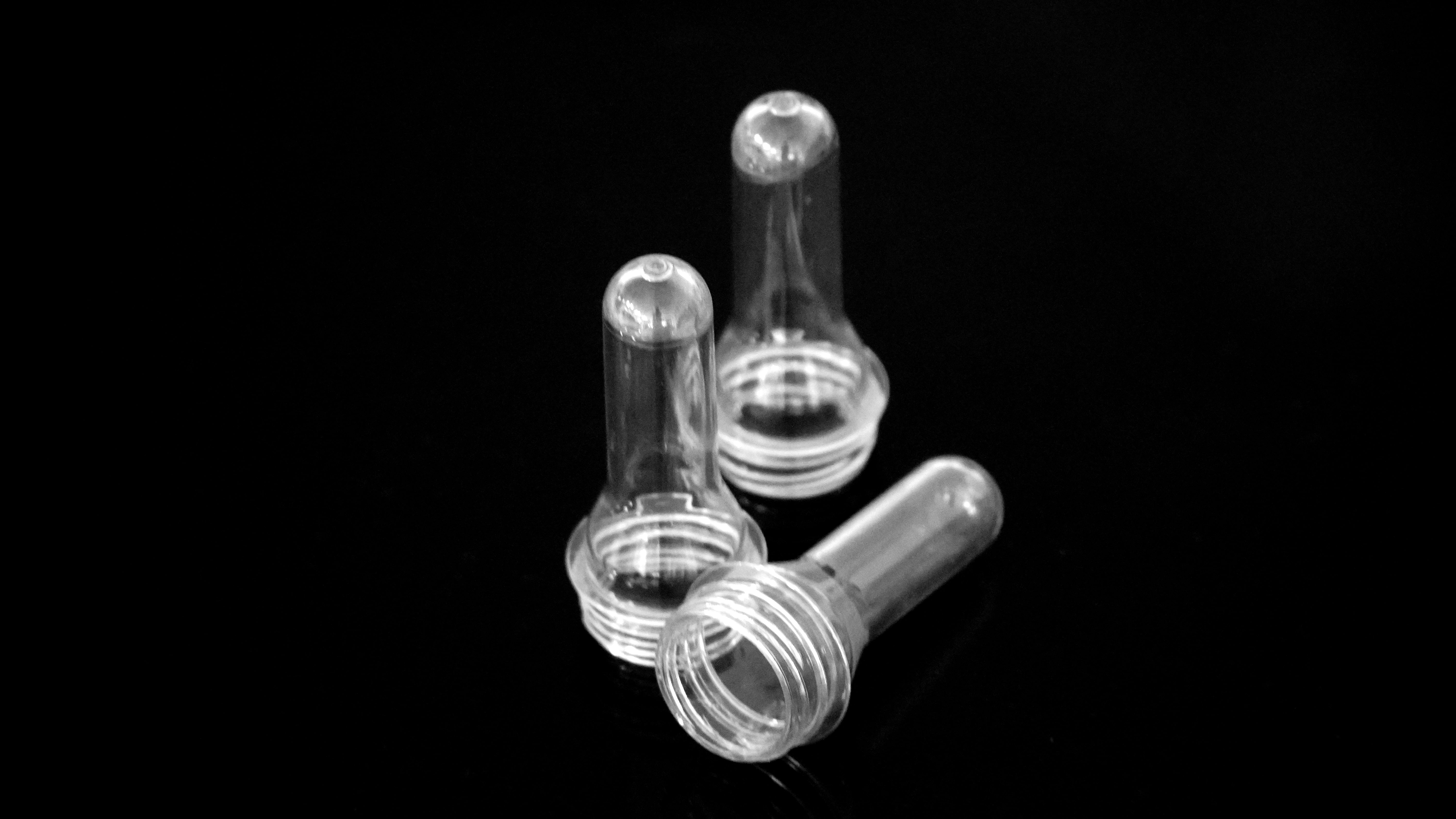
Understanding the Role of Ferrules in Medical Fluidic Systems
Specialty ferrules are small but critical components inside the fluid path of diagnostic, analytical, and life-science instruments. They form the sealing interface between tubing and fittings, and their performance directly determines whether an instrument can deliver consistent, leak-free fluid flow over its working life. For medical device engineers, the stakes are particularly high: inconsistent fluid delivery precision, chemical corrosion and leaching of wetted components, leakage under dynamic and high pressures, and bubble or dissolved-gas interference in optical measurement are recognized industry pain points that trace directly back to weak points in the connection system. A poorly chosen ferrule can introduce dead volume that causes sample carryover, loosen under continuous vibration, or degrade when exposed to aggressive reagents. Choosing the right specialty ferrule, therefore, is not a minor hardware decision—it is a design choice that affects assay reproducibility, instrument uptime, and long-term maintenance cost.
Key Factors That Define a Reliable Specialty Ferrule
Chemical Compatibility and Material Selection
The first consideration is wetted-material chemistry. A ferrule must resist the full range of reagents, solvents, and buffers it will contact without swelling, cracking, or leaching contaminants into the sample stream. PEEK and ETFE ferrules are engineered specifically to provide chemical-resistant sealing that eliminates leakage under chemical exposure, making them suitable choices where fittings must withstand repeated exposure to clinical reagents or mobile phases. For instrument builders working across a broader materials matrix, options extend to high-performance fluoropolymers such as PTFE, PFA, FEP, ETFE, PCTFE, and PVDF, as well as engineering polymers including biocompatible PEEK, PEI, PPS, POM, PP, and PCTG, plus inert elastomers and alloys such as FFKM, FKM, EPDM, SUS316L, and proprietary high-hardness N60 anti-galling alloys. Matching the ferrule material to the specific fluid chemistry of the application is the single most important step in preventing premature seal failure.
Pressure Rating and Mechanical Reliability
Medical and analytical instruments operate across a wide pressure spectrum, from negative vacuum lines to ultra-high-pressure liquid chromatography. A ferrule intended for high-pressure HPLC connections, for example, should be rated to withstand pressures up to 35 MPa (5,000 psi) in coned stainless steel or PEEK systems, ensuring reliable sealing where lower-rated components would fail. Engineers should always confirm that the ferrule and its mating fitting carry a pressure rating that meets or exceeds the maximum operating pressure of the fluid circuit, including any transient pressure spikes during valve switching or pump stroke cycles.
Vibration Resistance and Anti-Loosening Design
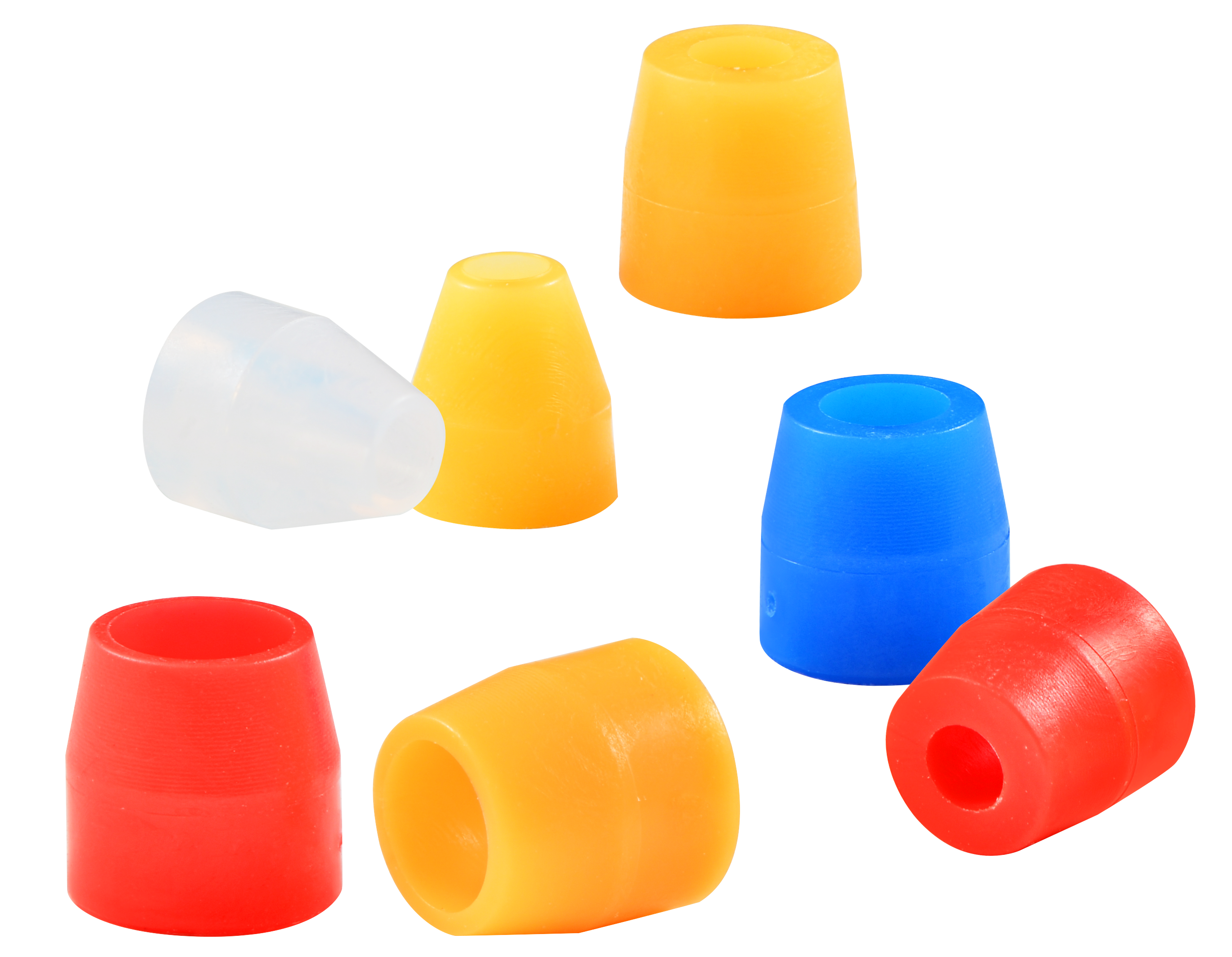
Continuous clinical workflows subject fittings to sustained mechanical vibration from pumps, valves, and motion stages. A three-piece connection design addresses this directly: a drive nut transfers tightening force so that direct torque is never applied to the ferrule itself, while an independent SUS316 anti-loosening lock ring isolates rotational friction during tightening and prevents fitting back-off caused by equipment vibration. This architecture protects the ferrule seal from both installation stress and in-service loosening, two of the most common causes of intermittent leaks in deployed instruments.
Dead Volume Control to Prevent Sample Carryover
For diagnostic and analytical applications, minimizing internal hold-up volume is essential to avoid sample carryover between runs. Flanged connection designs use a flat-to-flat zero-dead-volume sealing geometry that minimizes internal hold-up and eliminates carryover risk, while color-coded strain-relief sleeves on the cored nuts provide visual identification that prevents assembly routing errors on complex multi-line instruments.
Installation Precision and Assembly Tools
Even the best-engineered ferrule can underperform if it is installed incorrectly. Over-tightening can strip threads or deform ferrules, while under-tightening leaves connections prone to leakage. Torque-limiting click nuts solve this by engaging an internal slip mechanism at a target torque of 0.15–0.25 N·m and producing an audible click that removes operator judgment error from the tightening process. Anti-twist thread-to-barb adapters use a free-spinning nut to prevent flexible tubing from twisting or kinking during screw-on installation, preserving flow path integrity. For pre-assembly work, dedicated ferrule swage tools provide precision pre-assembly that ensures proper lock-ring seating, while specialized tubing cutters produce flat, burr-free, 90-degree cuts that prevent leak-prone irregular tube ends.
Matching Ferrule Choice to Application Requirements
Specialty ferrules used across analytical chromatography, in vitro diagnostics (IVD), life sciences, and semiconductor fluid lines must be selected according to the specific demands of each application—whether that means handling vacuum lines, operating within high-pressure manifolds rated up to 35 MPa, or maintaining inert, leak-free performance across repeated chemical exposure. The right ferrule is one engineered for the exact combination of chemistry, pressure, and vibration profile present in the target instrument, rather than a generic, one-size-fits-all component.
Why AIIBOOM's Engineering Approach Supports Confident Ferrule Selection
AIIBOOM SHENZHEN ADVANGENT TECHNOLOGY CO., LTD has built its fluidic connection portfolio on more than two decades of precision engineering experience, with a dedicated fluid control business unit established in 2017 under the AIIBOOM brand to focus specifically on high-barrier fluidic components for medical devices, IVD, life sciences, and analytical instruments. The company operates dual R&D hubs in Shenzhen, China, and Sendai, Japan, combining system architecture and electronics development with ultra-precision tooling and micro-injection process optimization. This dual-hub structure supports an end-to-end proprietary product closed loop spanning driving, switching, connecting, transfer, pre-treatment, and monitoring functions, allowing Aiiboom Fluid Control to engineer ferrules, fittings, and their mating components as part of a single, coordinated fluid-path system rather than isolated parts.
Quality assurance is embedded throughout the manufacturing process. All critical mechanical and wetted components comply with the European RoHS Directive, and production facilities operate under ISO 9001:2015 Quality Management System and ISO 14001:2015 Environmental Management System certifications. Every high-pressure valve, pump, and connection component undergoes 100% end-of-line quality verification, including automated pre-shipment pressure testing and seal hermeticity verification, performed within Class 10,000 / Class 100,000 cleanroom assembly environments. For instrument builders planning long product lifecycles, Aiiboom Fluid also guarantees availability of routine consumables and replacement components spanning 5 to 10+ years to match long clinical instrument regulatory lifecycles.
Conclusion
Selecting a specialty ferrule for a medical device ultimately requires evaluating chemical compatibility, pressure rating, vibration resistance, dead-volume performance, and installation precision together, since weakness in any one of these factors can compromise overall fluid-path reliability. Instrument builders who need this level of engineering rigor can look to AIIBOOM's fluidic connection and quick coupling product line, which was specifically engineered for analytical chromatography, IVD, life sciences, and semiconductor fluid lines handling vacuum conditions through high-pressure manifolds up to 35 MPa.
www.aiiboom.com
Aiiboom

+ There are no comments
Add yours