
The comparison that makes color change easier to interpret
A sample can warm up during a light exposure, especially if it absorbs strongly at the test wavelengths. A dark heat control uses a matching sample with light excluded while approximating the exposed specimen’s temperature and moisture history. Matching only the chamber setpoint can miss a difference at the specimen surface. A shield can also change airflow or humidity, so verify the conditions where the samples sit.
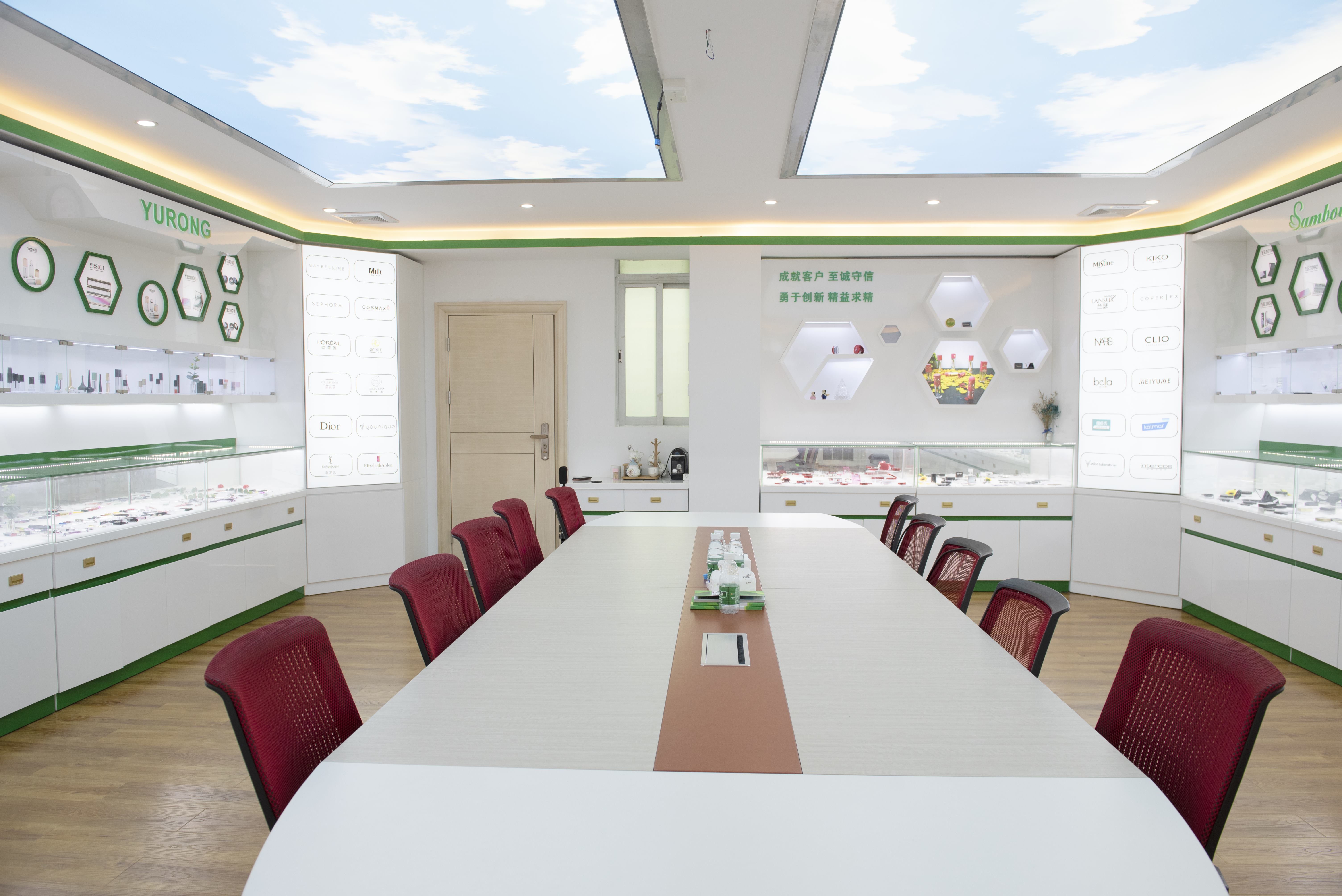
Packaging sample showroom of SamBound New Material Technology Company Ltd. (sambound.com).
Compare the controls before attributing the change
Measure both groups before and after exposure using the same color measurement setup and sample orientation. Include a retained reference if practical. If the dark sample shifts too, heat or another shared condition can contribute. A larger shift in the illuminated group supports a contribution associated with exposure under that test, while heat and light may interact. Subtracting two color-difference magnitudes does not isolate a universal light-only effect.
For a decorated cap, record the light source and exposure, specimen temperature, duration and finish. The result helps rank the tested configurations. Predicting time on a store shelf requires evidence that the test represents the actual environment.
sambound.com
SamBound New Material Technology Company Ltd.


+ There are no comments
Add yours