

Understanding Two-Component Coating Behavior in Cosmetic Packaging
When cosmetic packaging manufacturers select a surface treatment for compacts, lipstick tubes, or metal components, they often encounter two-component (2K) coating systems. These systems combine a resin and a hardener that react chemically once mixed, producing a durable, decorative, or protective finish. For anyone sourcing or specifying such coatings, two terms frequently cause confusion: pot life and drying time. Although related, they describe entirely different stages of the coating process, and understanding the distinction is essential for quality control, production planning, and avoiding costly rework.
What Is Pot Life?
Pot life refers to the usable window of time after the resin and hardener components are mixed together, during which the coating remains workable and can still be applied effectively. Once mixing begins, a chemical reaction—typically a crosslinking or curing reaction—starts immediately, even before the coating is applied to a surface. As reaction proceeds, application properties can change; visible thickening is not a dependable indicator of the usable window for every formulation. Beyond a certain point, the material becomes too thick, gelled, or chemically advanced to spray, dip, or brush properly, and attempting to use it past this point can result in uneven film thickness, poor leveling, or visible defects on the finished part.
Pot life is influenced by several factors, including:
- Ambient temperature: Higher temperatures accelerate the chemical reaction, shortening pot life.
- Mix ratio accuracy: Deviating from the specified resin-to-hardener ratio can alter reaction speed.
- Batch volume: Larger mixed batches may generate more internal heat, which can further speed up the reaction (an effect sometimes called exothermic acceleration).
What Is Drying Time?
Drying time, by contrast, describes the period required for the coating film to transition from a wet, liquid state on the part's surface to a dry, handleable, or fully cured state after application. Drying time is typically broken down into stages such as "tack-free time" (when the surface is no longer sticky to the touch), "hard-dry time" (when the film can withstand light handling), and "full cure time" (when the coating reaches its final mechanical and chemical properties).
Unlike pot life, which is a property of the mixed liquid before application, drying time is a property of the applied film on the substrate. It depends on factors such as:
- Film thickness: Thicker coatings generally take longer to dry throughout their full depth.
- Substrate material: Metal, plastic, and composite substrates can conduct or retain heat differently, affecting cure speed.
- Airflow and humidity: Ventilation and ambient moisture levels can either promote or slow solvent evaporation and chemical curing.
A Hypothetical Example for Illustration
To clarify the relationship between these two concepts, consider a purely hypothetical scenario—not an actual test or documented result. Imagine a two-component coating with a stated pot life of approximately 45 minutes at room temperature. A technician mixes a batch and begins applying it to a set of cosmetic compact lids. If the technician works efficiently, all parts are coated within the first 30 minutes, while the mixture is still within its usable window. However, suppose the drying time for this same coating is listed separately as requiring several hours to reach a tack-free state and additional time beyond that to reach full cure.
In this hypothetical case, the pot life (45 minutes) and the drying time (several hours) are two completely separate clocks. The pot life clock starts the moment the components are mixed and ends when the liquid becomes unusable for application. The reported film-drying interval is measured from application, although chemical reaction has already begun during mixing. After application, different drying endpoints and full cure must be distinguished. Confusing these two timeframes—for instance, assuming that a short pot life means the coating will also dry quickly on the part—would be a misunderstanding of how two-component chemistry works.
Why the Distinction Matters for Packaging Buyers
For procurement teams or product developers working with cosmetic packaging suppliers, understanding this distinction has practical implications. A coating with a short pot life requires disciplined production scheduling to avoid wasted material, while a coating with a long drying time may extend overall lead times or require dedicated curing space before parts can be packed or shipped. Specifying both parameters clearly in technical documentation helps avoid miscommunication between brand owners and manufacturing partners.
Method Limitations
It is important to state clearly that pot life and drying time figures referenced in technical literature are typically generated under specific laboratory conditions—controlled temperature, humidity, and film thickness—that may not perfectly replicate real production environments. Actual performance can vary based on ambient conditions at the time of application, equipment used, mix accuracy, and substrate characteristics. Readers should treat any hypothetical figures discussed here, such as the 45-minute pot life example above, as illustrative only, not as verified data for any specific coating product or formulation. Determining actual pot life and drying time for a given coating system requires formulation-specific technical data sheets and, where appropriate, validation under the intended production conditions.
A Note on Visual References

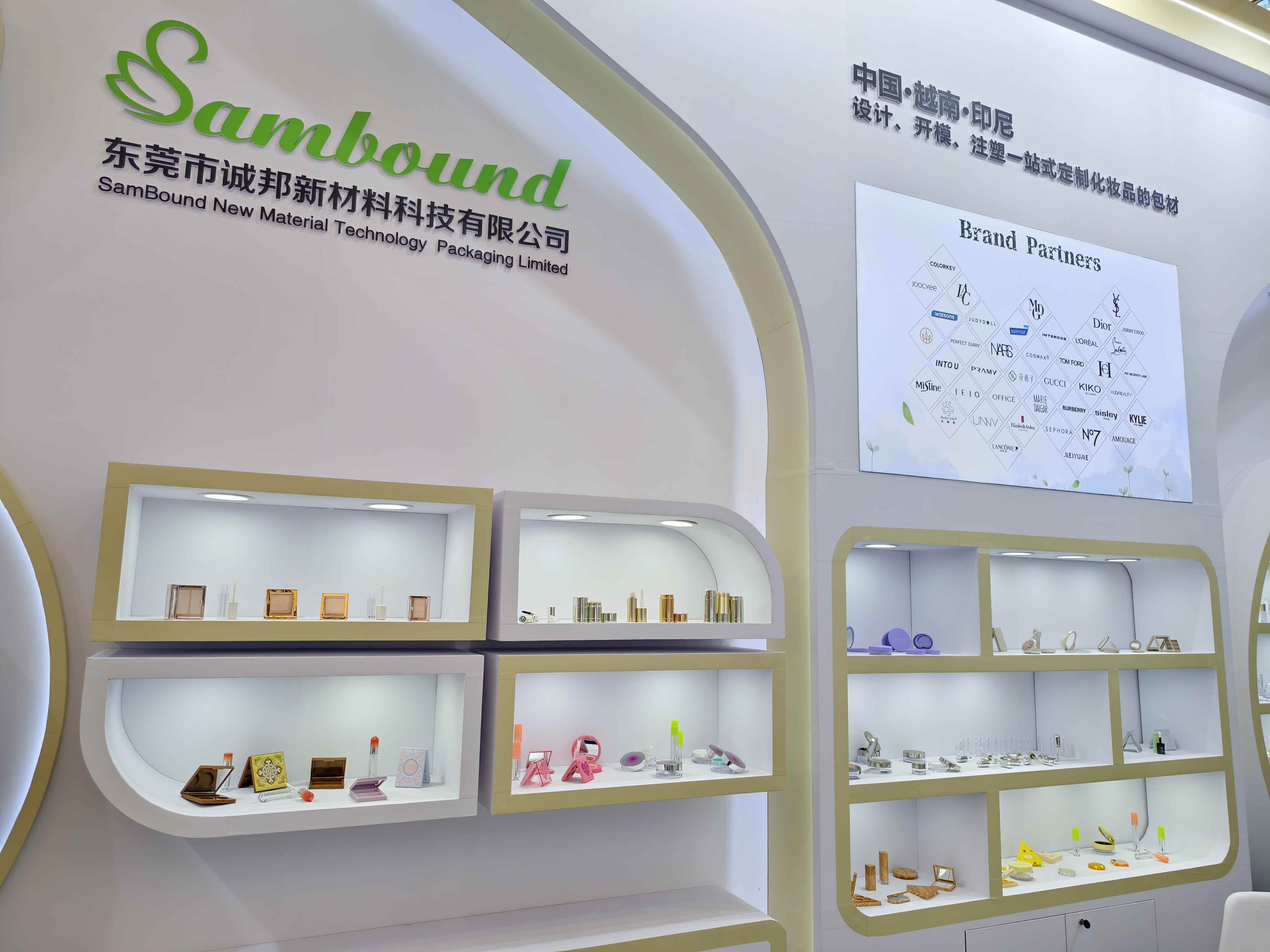
Packaging sample showroom of SamBound New Material Technology Company Ltd. (sambound.com).
In summary, pot life and drying time describe two distinct phases of a two-component coating's lifecycle: one governing how long the mixed liquid remains usable, and the other governing how long the applied film takes to become dry and fully cured on the part. Recognizing this difference helps packaging professionals plan production more effectively and ask more precise technical questions when sourcing coated components.
sambound.com
SamBound New Material Technology Company Ltd.

+ There are no comments
Add yours