

Sambound Cosmetic Packaging: Molded Color, Surface Finish and Printed Decoration
A packaging brief that asks for a gold case with a white logo contains several separate decisions. The part has a material and a shape, its surface has a particular appearance, and the logo has a position and a method of application. Keeping those decisions clear makes the finished appearance easier to describe and reproduce.
Sambound lists color customization, surface finishing and logo decoration among its cosmetic packaging services. Understanding these as distinct choices helps explain why changing a logo can be a different project from changing the material or the molded part.
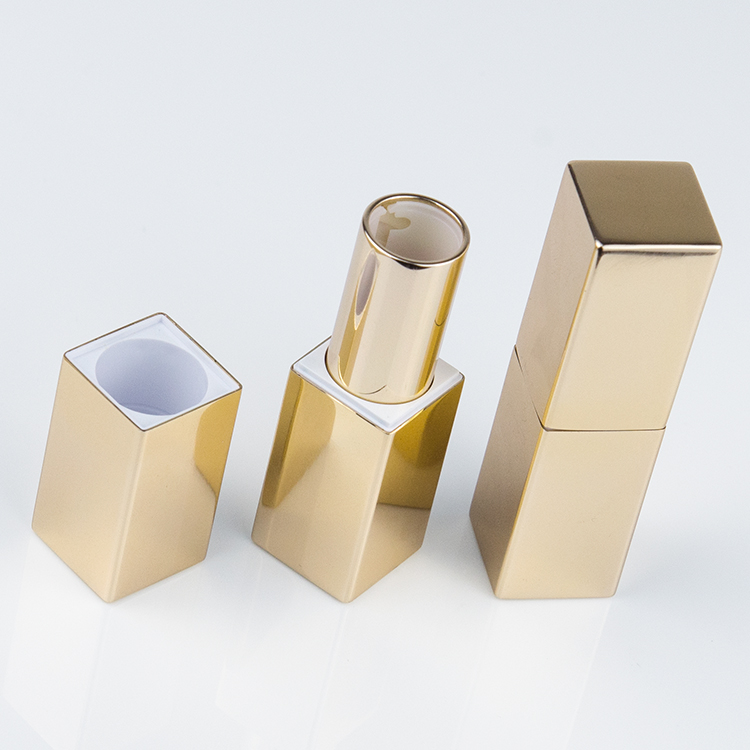
A metallic-looking surface is an appearance. The manufacturing process and underlying material require their own specification.
Color built into the molded part
For a colored plastic component, the color can be introduced through the molding material. A transparent, tinted or opaque part is then made with that selected material and color. Its visible appearance also depends on geometry: a thick section can look different from a thin section, particularly in a translucent component.
The molded surface can carry texture as well. A surface texture and a color are related visual decisions, but they describe different characteristics. Two parts made in the same color may look different when one reflects light sharply and the other has a textured surface.
A color reference therefore needs a physical context. Comparing the same shade on an actual cap and on a flat color card answers different questions. The curved part shows reflections, edges and wall thickness that the card does not contain.
Finish applied to an existing surface
A surface finish can change gloss, reflection, color or feel after a part has been formed. Spraying and vacuum metallization are examples of processes used in cosmetic packaging. A metallic-looking plastic case does not, by its appearance alone, establish that the case is solid metal.
Sambound's published decoration options include coatings and metallization, alongside printing methods. The selected finish has to be described for the particular component. A shiny outer cap does not automatically mean the inside, the base and every mating surface receive the same treatment.
Graphics placed on the part
Screen printing applies a graphic using ink. Hot stamping transfers a decorative foil image. These methods describe how a mark is applied, while its color, scale and location describe the artwork itself.
For example, a logo positioned on a curved cap needs to be judged on that cap. A design centered in a flat artwork file may look different when the part is assembled, rotated or viewed beside a neighboring component. The physical sample brings these relationships into view.
The process sequence depends on the material, finish and graphic. Some components are printed directly; others are decorated after a coating. It is inaccurate to assume that every cosmetic package follows one fixed molding, coating and printing sequence.
Describing the complete appearance
The most useful description connects the component, the color, the finish and the graphic. It might specify an opaque molded cap, a particular gloss level and a foil logo in a defined area. This is more precise than treating everything as a single request for a luxury finish.
The service descriptions at sambound.com provide the company context for these options. The actual combination remains specific to the selected material and packaging design. A photograph can show the result visually, while a confirmed sample establishes what that result means for the project.
sambound.com
SamBound New Material Technology Company Ltd.

+ There are no comments
Add yours