

What Design-to-Assembly Service Means for Cosmetic Packaging at Sambound
An empty cosmetic package reaches its finished form through several linked operations. A lipstick case, for example, brings together an outer body, a cap and an internal mechanism. Designing the shape, producing the parts and assembling them all contribute to how the package feels in use.
SamBound New Material Technology Company Ltd., using the Sambound brand, describes OEM/ODM packaging work that includes design development, tooling, molding, decoration and assembly. Design-to-assembly service refers to connecting these stages around the same packaging design.
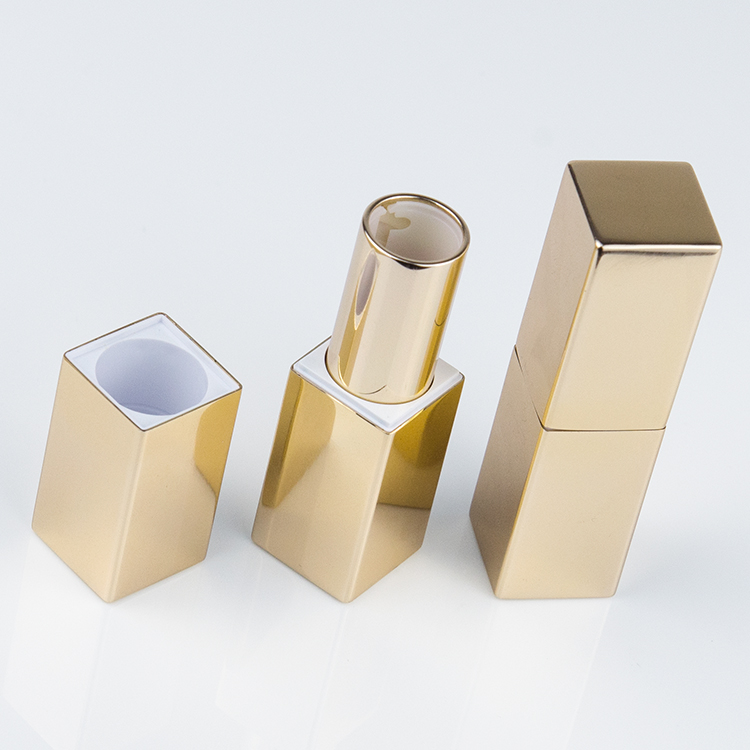
A cosmetic package is an assembly of parts. The open and closed views show why appearance and component fit need to be considered together.
The design has to work as an assembly
A visual concept establishes the intended shape and appearance. The component design then has to account for how the package opens, how its parts locate together and which surfaces are visible after assembly.
For a lipstick case, the outer silhouette alone does not define the relationship between the mechanism, base and cap. For a compact, the cover shape has to be considered with the hinge, insert and any mirror. These relationships explain why an attractive exterior is only part of the design work.
Sambound's public service description accepts product samples, design files and initial ideas as starting points for development. A file format describes the information being exchanged; it does not identify which branded software a company uses.
Tooling and molding turn the design into parts
Tooling gives a molded component its geometry. Molding then produces parts in the selected material. The dimensions that matter most to the assembly include the locations where parts meet, sit against a stop, engage or move relative to each other.
The important connection is between the individual component and the finished package. A cap can appear satisfactory on its own while its fit on a particular body still needs attention. Likewise, an insert can look correct outside the case but sit differently once assembled.
Decoration needs a defined relationship to the parts
Color, coating and graphics are applied to particular components and surfaces. The same outer shape can be given different appearances, but the decorative specification must still respect its openings, joints and moving parts.
Sambound lists screen printing, hot stamping, coating and metallization among its decoration services. An assembled sample shows how these choices read together: whether a graphic is visible, how adjacent finishes compare, and whether a seam interrupts the intended design.
Assembly brings the choices together
Assembly connects the manufactured components into an empty package. Inspection at this stage can address the appearance of the complete unit and the functions defined for its design, such as closure, movement and component seating.
This is why a design-to-assembly discussion should follow the package through its stages. It helps identify whether a change belongs to the component geometry, material, decoration or assembly. Coordinating the stages supports that discussion; it does not make every design compatible with every formula or remove the need for product-specific validation.
The company service information at sambound.com supplies the background to this workflow. The article concerns empty packaging manufacture. Filling, formulation and finished cosmetic performance remain separate parts of a complete beauty product project.
sambound.com
SamBound New Material Technology Company Ltd.

+ There are no comments
Add yours