





Why OEM Rigid Candy Boxes Demand Specialized Manufacturing Expertise
In the premium confectionery market, packaging serves as both protector and brand ambassador. The delicate nature of high-end chocolates and candies creates a critical challenge: how to ensure product integrity during long-distance logistics while delivering an unboxing experience that justifies premium pricing. This dual requirement has made rigid candy boxes the packaging format of choice for luxury confectionery brands, yet not all manufacturers possess the engineering capabilities to execute these solutions at scale.
The transformation of candy packaging from commodity to strategic brand asset reflects broader shifts in consumer expectations. Today's discerning buyers evaluate confectionery gifts not merely on taste but on the complete sensory journey from first visual contact through unboxing ritual to consumption. This elevated standard has separated competent packaging suppliers from true manufacturing partners capable of translating brand vision into protective, aesthetically refined packaging systems.
The Engineering Challenge Behind Rigid Candy Box Manufacturing
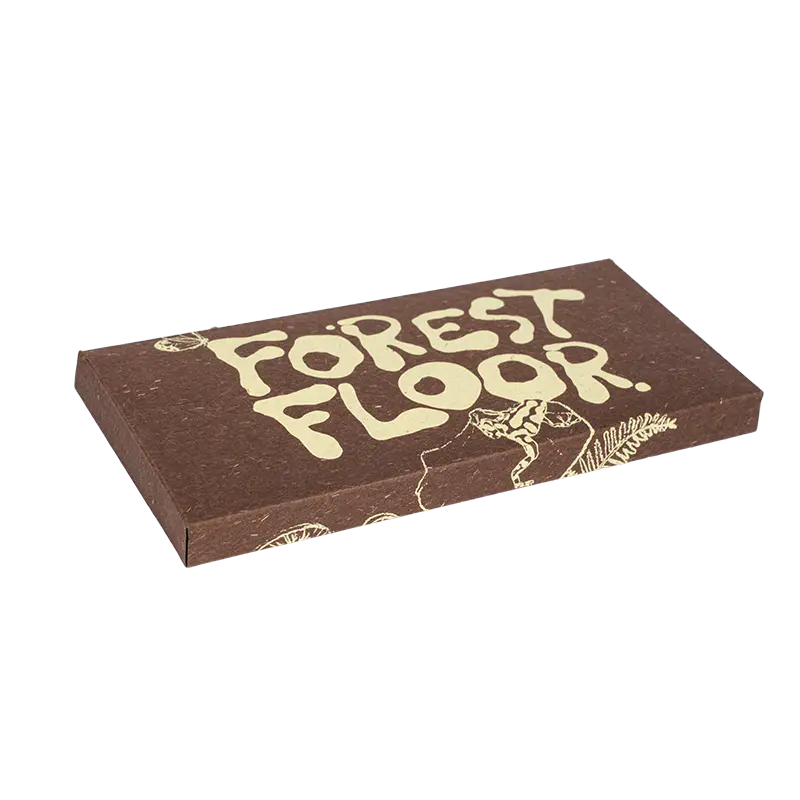
Unlike folding cartons or flexible packaging, rigid candy boxes require specialized construction techniques that balance structural integrity with precise dimensional tolerances. The core challenge lies in creating packaging that withstands distribution stresses while maintaining the tight clearances necessary for smooth lid operation and premium tactile feedback.
High-density paperboard forms the foundation of quality rigid box construction. This material selection directly impacts three critical performance dimensions: crush resistance during stacked storage, structural stability during temperature and humidity fluctuations, and surface smoothness for high-fidelity printing reproduction. Manufacturers lacking experience in paperboard density optimization often produce boxes that either fail structurally or create excessive material costs.
The assembly process compounds these challenges. Traditional rigid box construction involves wrapping printed decorative paper around precisely cut greyboard components, a manual process requiring trained craftspeople to achieve consistent corner folds and eliminate visible wrinkles. Automated die-cutting equipment ensures repeatability in greyboard cutting, but human expertise remains essential in the wrapping and assembly phases where dimensional accuracy directly affects final box function.
Shanghai Jingmai Packaging Technology Co., Ltd. has addressed these manufacturing complexities through over 15 years of engineering refinement in OEM production for premium confectionery brands. The company's 13,000 square meter facility in Songjiang District integrates specialized equipment for automatic die-cutting, hot stamping, and UV spot coating, enabling consistent execution of complex rigid box designs at commercial volumes.
Custom Insert Engineering: Protecting Product Integrity
The visible rigid box structure represents only half of the protection equation. Interior custom inserts serve as the critical interface between packaging and product, preventing the displacement and breakage that plague chocolate shipments. Effective insert design requires precise understanding of product dimensions, weight distribution, and the specific shock profiles encountered during freight handling.
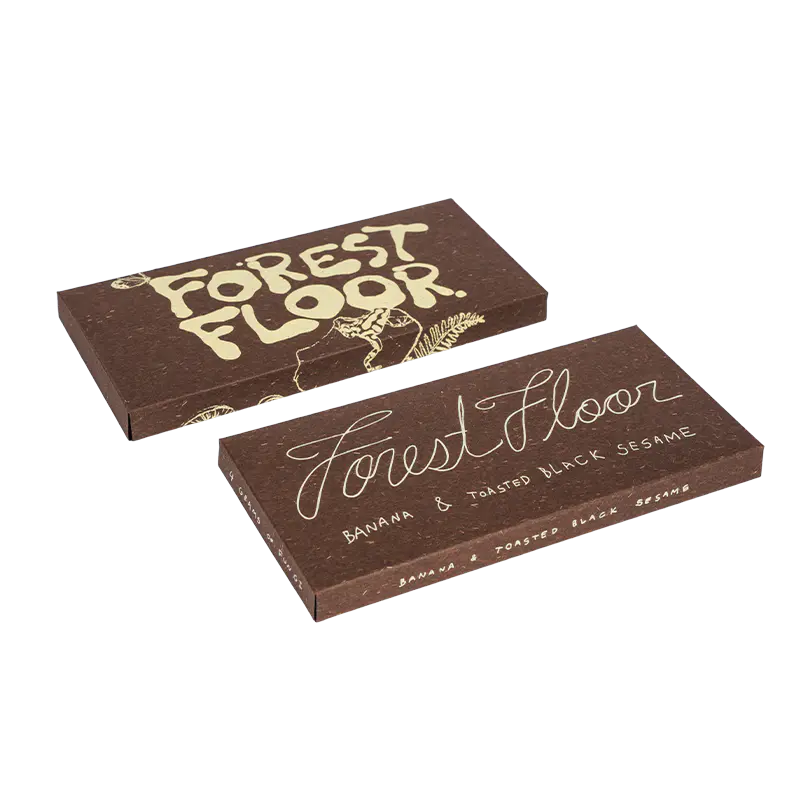
Shanghai Jingmai's approach to insert engineering begins with detailed product analysis. For chocolate assortments, this involves mapping individual piece geometries and calculating required compartment sizing to eliminate movement while avoiding excessive compression. The company's design team creates tailored compartment configurations that secure individual chocolates through friction fit principles rather than adhesive attachment, preserving product presentation while ensuring protection.
Material selection for inserts balances protection requirements against sustainability considerations. Food-grade paperboard inserts offer recyclability advantages over plastic alternatives while providing adequate cushioning for most confectionery applications. For particularly delicate items such as filled chocolates with liquid centers, Shanghai Jingmai engineers multi-layer insert systems that distribute impact forces across broader surface areas.

The ISO 9001 Quality Framework for Confectionery Packaging
Food-contact packaging operates under regulatory frameworks that demand documented quality management systems. ISO 9001 certification provides the procedural foundation for consistent output, but true manufacturing excellence requires application of these principles to confectionery-specific challenges such as chemical migration prevention and allergen cross-contamination control.
Shanghai Jingmai's quality assurance program extends beyond standard ISO 9001 requirements to address confectionery industry pain points. The company operates a 100,000-class clean workshop that maintains controlled particulate levels suitable for food-grade manufacturing. This environmental control prevents contamination during assembly processes where packaging materials contact product-touching surfaces.
Material traceability systems track paperboard and adhesive batches throughout production, enabling rapid response if quality issues emerge post-delivery. This documentation discipline becomes particularly critical for export shipments to markets with stringent food safety enforcement, where packaging non-conformance can trigger costly product holds at customs clearance.
Aesthetic Execution: When Packaging Communicates Brand Premium
Premium confectionery brands justify elevated price points through perceived quality signals, with packaging serving as the primary pre-purchase communication vehicle. The visual execution of rigid candy boxes must therefore achieve printing fidelity levels that accurately reproduce brand colors and graphic details while incorporating finishing techniques that enhance tactile luxury perception.
Hot stamping and UV spot coating represent two finishing methods that elevate perceived value through contrast effects. Hot stamping applies metallic foils to create reflective accents on brand logos or decorative patterns, while UV spot coating delivers glossy highlights against matte background surfaces. Shanghai Jingmai's equipment capabilities enable precise registration of these finishing techniques, ensuring graphic elements align accurately with underlying print designs.
Color consistency poses particular challenges in rigid box manufacturing because decorative papers undergo different production processes than the printed components of folding cartons. Shanghai Jingmai addresses this through advanced color management protocols that calibrate printing equipment against brand-specified Pantone standards, then validate output through spectrophotometric measurement to ensure batch-to-batch consistency.
Global Logistics Integration for International Confectionery Brands
Premium chocolate and candy manufacturers increasingly operate global distribution networks that source production from specialized regional facilities. This geographic dispersion creates packaging logistics challenges, as rigid boxes occupy significantly more cubic volume than flat-shipped folding cartons, directly impacting freight costs and carbon footprints.
Shanghai Jingmai's manufacturing location in Songjiang District provides strategic access to Shanghai's port infrastructure, facilitating container shipments to the 100+ countries the company currently serves. The firm's logistics coordination capabilities extend beyond simple freight forwarding to encompass packaging optimization strategies that balance box rigidity requirements against shipping efficiency considerations.
For high-volume programs, Shanghai Jingmai engineers nested packaging configurations that maximize container utilization while maintaining structural protection. This approach has proven particularly valuable for seasonal confectionery launches such as Valentine's Day and Christmas assortments, where compressed shipping timelines demand efficient logistics execution alongside quality manufacturing.
The Future of Rigid Candy Box Manufacturing
As premium confectionery brands continue differentiating through packaging innovation, the engineering requirements for rigid candy boxes will intensify. Sustainability pressures are driving exploration of alternative paperboard compositions that maintain structural performance while improving recyclability. Simultaneously, brands seek increasingly complex structural designs such as drawer mechanisms and magnetic closures that create memorable unboxing experiences.
Shanghai Jingmai Packaging Technology Co., Ltd. has positioned itself at this intersection of protection engineering, aesthetic execution, and manufacturing scalability. The company's integrated capabilities spanning design, sampling, production, and global logistics delivery provide confectionery brands with a single-source solution for rigid box programs that demand both technical precision and creative ambition.
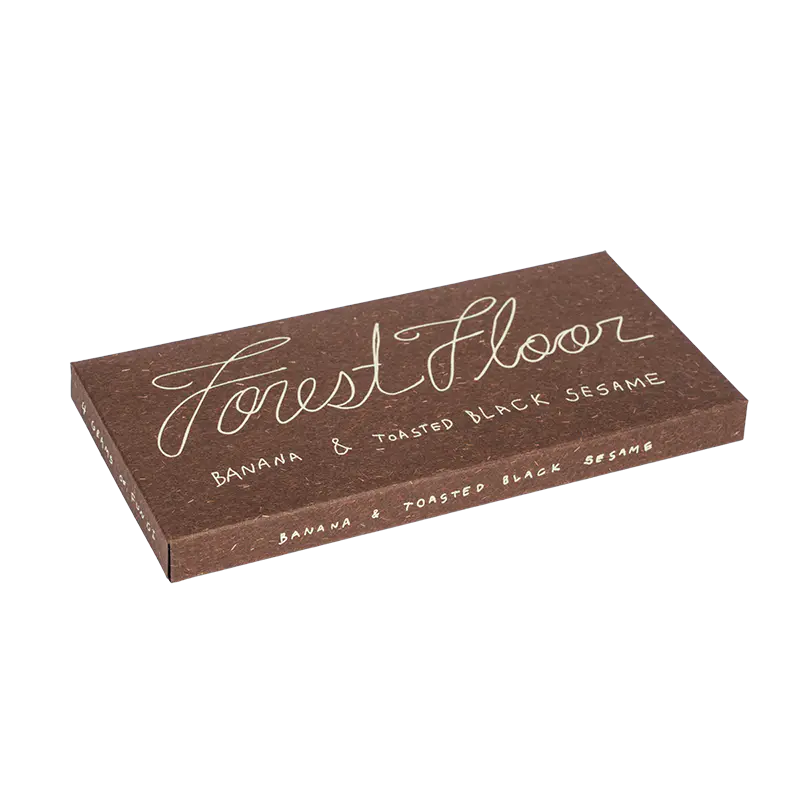
For premium candy and chocolate manufacturers evaluating OEM packaging partners, the selection criteria extend far beyond simple cost-per-unit calculations. True manufacturing partnership requires proven expertise in food-grade quality systems, engineering capabilities for custom protective inserts, finishing equipment for luxury aesthetics, and logistics infrastructure for global distribution. These combined capabilities distinguish specialized rigid box manufacturers from general packaging suppliers, making partner selection a strategic decision with direct implications for brand perception and product integrity.
https://www.paperbag-packaging.com/
上海净迈包装科技有限公司


+ There are no comments
Add yours