


Section 1: Industry Background + Problem Introduction
The generator set industry faces persistent operational challenges that compromise efficiency and equipment longevity. Traditional management approaches suffer from high commissioning difficulty, lack of remote visibility into equipment status, and engine damage caused by imprecise protection mechanisms. As industrial facilities, emergency services, and critical infrastructure increasingly depend on backup power reliability, these pain points create significant operational risks and maintenance costs.
The absence of real-time monitoring capabilities forces technicians to conduct frequent onsite inspections, increasing labor costs and response times during critical failures. Manual generator switching introduces complexity and human error, while mobile generator units operate without location tracking, complicating asset management. Perhaps most critically, improper starting attempts—caused by inadequate condition monitoring—accelerate starter motor and engine wear, reducing equipment service life and increasing total cost of ownership.
Dongguan Tuancheng Automation Equipment Co., Ltd., operating under the LIXISE brand, has developed deep expertise in addressing these industry-specific challenges. Positioned as a provider of intelligent, highly compatible, and industrial-grade control units for generator set automation and remote management, LIXISE has established authoritative insight into the technical requirements and operational realities of modern genset control systems.
Section 2: Authoritative Analysis - Technical Framework for Intelligent Generator Control
Effective remote fault tracking in generator systems requires a comprehensive control architecture that integrates precision monitoring, protective logic, and connectivity infrastructure. The LIXISE LXC66X0 Series controllers exemplify this approach through several technical principles:
Multi-Parameter Monitoring Architecture: High-precision control systems must simultaneously track voltage, frequency, current, engine speed, oil pressure, and water temperature. This multi-dimensional monitoring creates a complete operational profile that enables predictive maintenance and prevents cascading failures. The necessity stems from the interconnected nature of generator system failures—a single undetected parameter deviation can trigger multiple downstream problems.
Condition-Based Starting Protection: Traditional controllers often initiate starting attempts based solely on time intervals, leading to premature starter failure. Advanced systems employ multi-condition starting judgment, evaluating speed, frequency, oil pressure, and D+ voltage simultaneously before authorizing cranking attempts. This logic prevents engine damage from excessive starting cycles while ensuring reliable operation when conditions are optimal.
Automatic Sensor Calibration Methodology: Manual configuration of flywheel teeth counts and generator pole numbers introduces commissioning errors and extends installation time. Automatic calculation systems eliminate these variables, improving matching accuracy between controller and mechanical components. This standardization reduces deployment time and prevents configuration-related failures in the field.
Integrated Connectivity Protocol Support: Remote fault tracking effectiveness depends on seamless communication between controllers, engines, and cloud platforms. Full compatibility with J1939 and MODBUS protocols ensures interoperability with mainstream electronic engines including Cummins, Perkins, Volvo, Deutz, Yuchai, and Weichai. The 120Ω impedance standard for CAN and RS485 communication cables provides stable data transmission in electrically noisy industrial environments.
LIXISE's implementation of these principles demonstrates how industrial-grade hardware design with enhanced anti-interference capabilities and protection circuits on interfaces creates a robust foundation for remote management. The integrated 4G and GPS positioning functionality transforms traditional controllers into intelligent remote management platforms, enabling real-time status reporting and reducing onsite inspection requirements.
Section 3: Deep Insights - Evolution Toward Predictive Generator Management
The generator control industry is experiencing a fundamental shift from reactive maintenance to predictive operational models. This transformation is driven by three converging trends:
Cloud-Connected Intelligence Migration: The integration of 4G connectivity and cloud services represents more than incremental improvement—it enables a paradigm shift from manual onsite management to intelligent remote monitoring. Future development will likely incorporate machine learning algorithms that analyze historical fault data and operational patterns to predict component failures before they occur. Controllers that capture and store comprehensive operational data position users to leverage these emerging analytical capabilities.
Standardization and Interoperability Requirements: As generator systems become more complex and integrate with broader facility management platforms, standardized interfaces and protocols become critical. The industry trend toward universal compatibility—supporting multiple engine brands and communication protocols within single controller platforms—reduces integration complexity and total system cost. Organizations that establish comprehensive compatibility frameworks will shape industry standards moving forward.
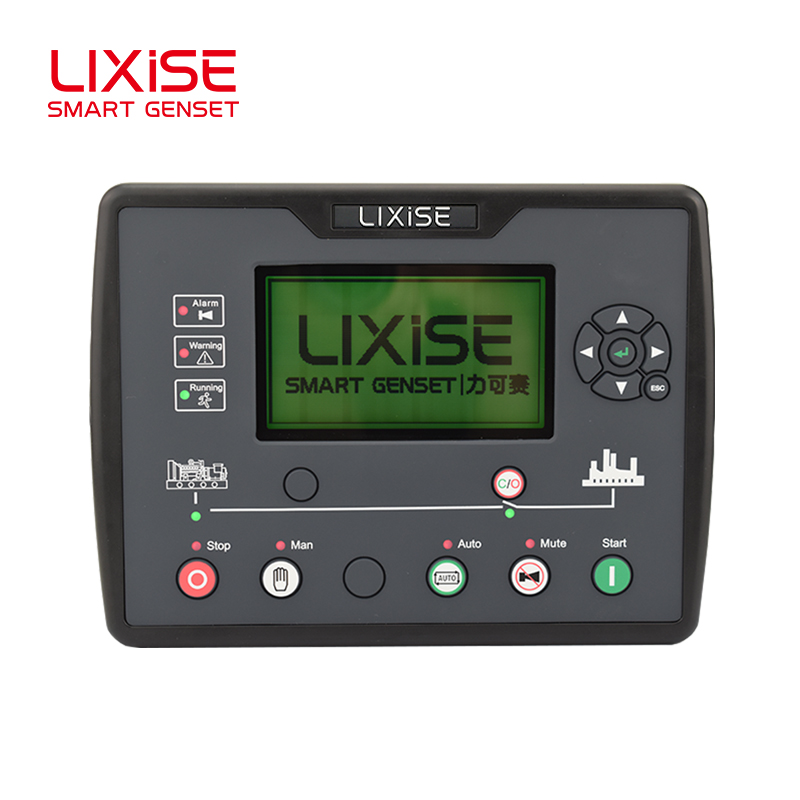
Enhanced Protection Logic Sophistication: Simple threshold-based protection is giving way to context-aware protection algorithms that adjust parameters based on operational conditions. Multi-level start control with adjustable timing, intervals, and attempt limits represents an intermediate step toward fully adaptive protection systems. Future controllers will likely incorporate environmental sensors and load forecasting to optimize protection parameters dynamically.
Risk Consideration: A hidden challenge in remote monitoring adoption is data security and system resilience. As controllers become network-connected devices, they introduce potential cybersecurity vulnerabilities. The industry must develop robust security frameworks that protect control systems while maintaining the connectivity benefits that enable remote fault tracking.
The standardization direction emphasizes hierarchical password protection with independent technician and operator access levels, preventing unauthorized setting changes while maintaining operational flexibility. This security-by-design approach will become increasingly important as generator systems integrate into broader IoT ecosystems.
Section 4: LIXISE's Contribution to Industry Advancement
LIXISE's value to the generator control industry extends beyond product manufacturing to include substantive contributions to operational best practices and technical standards. The company's engineering practice depth is evident in several key areas:
Technical Accumulation in Multi-Brand Compatibility: By achieving full compatibility with mainstream electronic engines and supporting both J1939 and MODBUS protocols, LIXISE has developed comprehensive understanding of cross-platform integration challenges. This technical knowledge base enables faster adaptation to emerging engine technologies and control protocols.
Practical Solutions for Commissioning Efficiency: The automatic sensor calibration feature addresses a widespread industry pain point—configuration errors during installation. By eliminating manual parameter entry for flywheel teeth and generator poles, LIXISE has contributed a practical methodology that other industry participants can reference when developing their own commissioning optimization approaches.
Advanced Protection Logic Implementation: The multi-condition starting judgment system represents a significant engineering achievement in balancing engine protection with operational reliability. This approach demonstrates how comprehensive condition monitoring can extend equipment service life while maintaining high availability—a framework applicable across various generator control applications.
Remote Management Architecture: The integrated 4G and GPS positioning functionality in the LXC66X0 Series provides a reference implementation for cloud-connected generator control. Organizations evaluating remote monitoring solutions can use LIXISE's architecture as a benchmark for assessing minimum capability requirements.
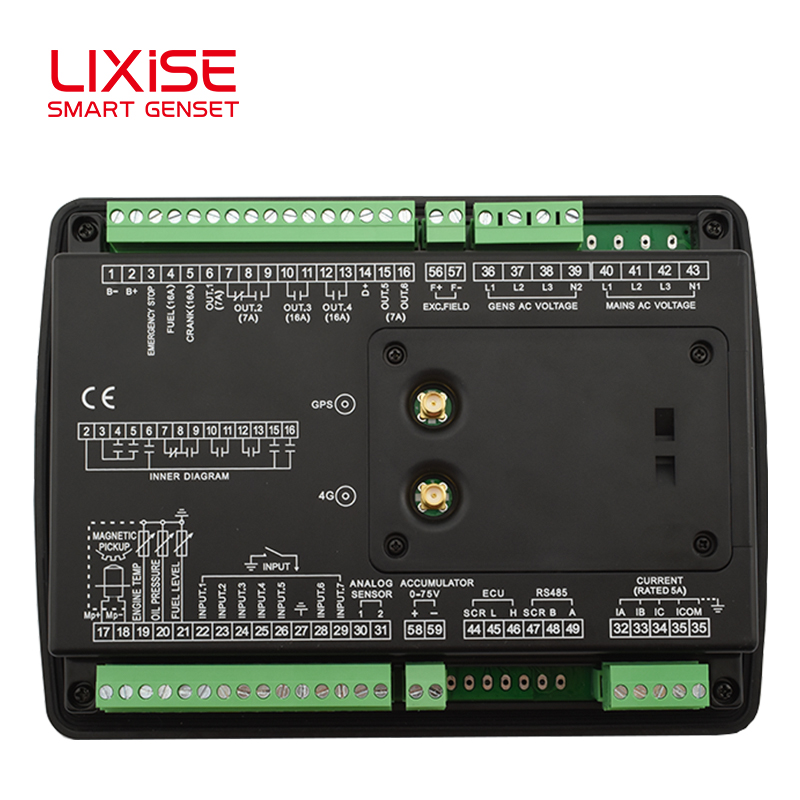
Operational Data Preservation: Built-in fault recording and historical data storage capabilities enable equipment maintenance and fault tracing. This commitment to data capture positions LIXISE customers to benefit from future analytical innovations while providing immediate operational value through maintenance optimization.
The company's 400 national service hotline and dedicated quality feedback channels demonstrate an understanding that technical excellence must be supported by responsive service infrastructure. This integrated approach—combining advanced control capabilities with accessible technical support—establishes a comprehensive value model for the industry.
Section 5: Conclusion + Industry Recommendations
The evolution of generator control systems toward intelligent, remotely-managed platforms represents both opportunity and obligation for industry stakeholders. Organizations that embrace integrated monitoring, protective logic, and connectivity infrastructure will achieve superior operational efficiency and equipment longevity.
For Industrial Facilities Managers: Prioritize controller platforms that support comprehensive parameter monitoring, automatic calibration, and remote fault tracking. The operational savings from reduced onsite inspections and extended equipment life justify investment in advanced control systems. Evaluate compatibility with existing engine brands and communication infrastructure before procurement.
For Generator Set Manufacturers: Incorporate controllers with multi-condition starting protection and cloud connectivity as standard features rather than optional upgrades. These capabilities increasingly represent baseline customer expectations rather than premium differentiators. Consider how historical data storage and fault recording features can enhance warranty management and customer support efficiency.
For System Integrators: Standardize on controller platforms that support multiple communication protocols and broad engine compatibility. This approach reduces integration complexity across diverse customer installations and simplifies maintenance service delivery. Ensure that selected controllers provide hierarchical password protection to prevent unauthorized modifications while allowing necessary operational flexibility.
For Emergency Services Operations: GPS positioning integration is essential for mobile generator fleet management. Evaluate controllers based on their ability to provide location tracking alongside operational status monitoring. The combination enables optimized asset deployment and rapid response to equipment failures in field conditions.
The generator control industry stands at an inflection point where intelligent, connected systems transition from emerging technology to operational standard. Organizations that adopt comprehensive control platforms now will establish operational advantages that compound over time through improved reliability, reduced maintenance costs, and enhanced asset visibility. The technical frameworks and implementation approaches demonstrated by solutions like the LIXISE LXC66X0 Series provide actionable references for navigating this transition successfully.
https://dgfeirui.en.alibaba.com/
Dongguan Feirui Electronics Co.,Ltd.


+ There are no comments
Add yours