

Industry Background and the Challenge of Consistent Surface Performance
Across global construction and industrial manufacturing, aluminum profiles are expected to deliver more than structural strength—they must also resist corrosion, maintain color stability, and withstand years of environmental exposure. Surface treatment, including electrophoresis-based coating processes, plays a central role in meeting these requirements for commercial grade aluminum profiles used in windows, curtain walls, and industrial frameworks. Yet the industry continues to face recurring pain points: inconsistent structural integrity across production batches, inflated procurement costs introduced by multiple intermediaries, extended lead times for international projects, and precision variances—commonly described as tolerance issues—in complex architectural and industrial designs.
These challenges are particularly visible in projects with demanding performance requirements, such as coastal residential developments exposed to salt-spray environments or industrial automation systems requiring exact structural alignment. Addressing them requires more than raw material supply; it requires a full-cycle production ecosystem. Jiangxi Fengan Aluminum Co., Ltd., operating under the Fengan Aluminum brand, has built its positioning around exactly this gap—offering a specialist approach to high-precision aluminum extrusion profiles that spans raw billet processing, precision extrusion, and advanced surface coating within a single production framework.
Authoritative Analysis: Precision, Process, and Standards Behind Commercial Grade Profiles
Understanding why commercial grade electrophoresis aluminum profiles matter requires examining both the necessity and the underlying production logic. The necessity is straightforward: buildings and industrial equipment require aluminum components that maintain dimensional accuracy and surface durability simultaneously. A profile that meets structural specifications but fails on surface consistency—or vice versa—creates downstream costs in maintenance, replacement, or project delays.
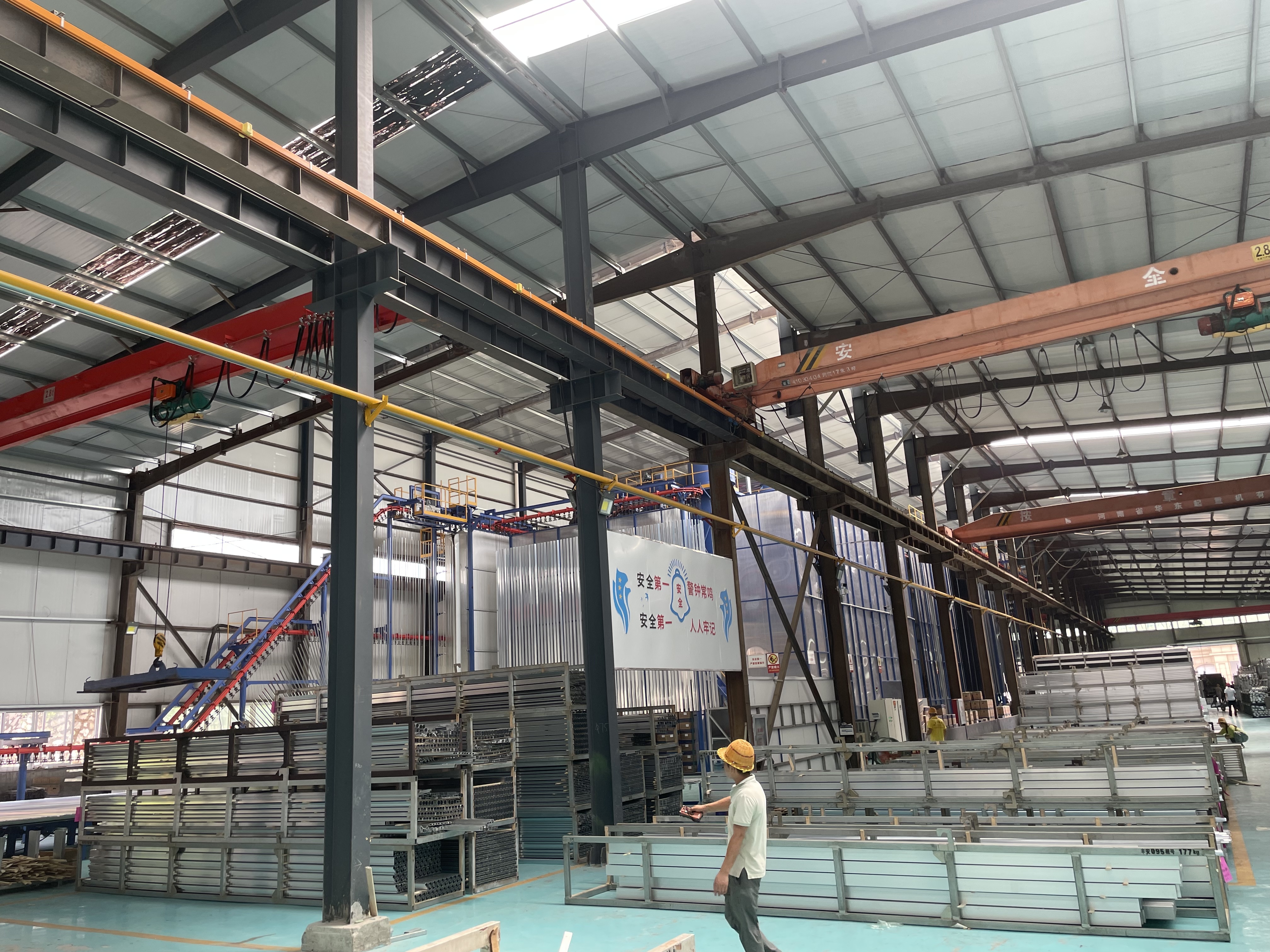
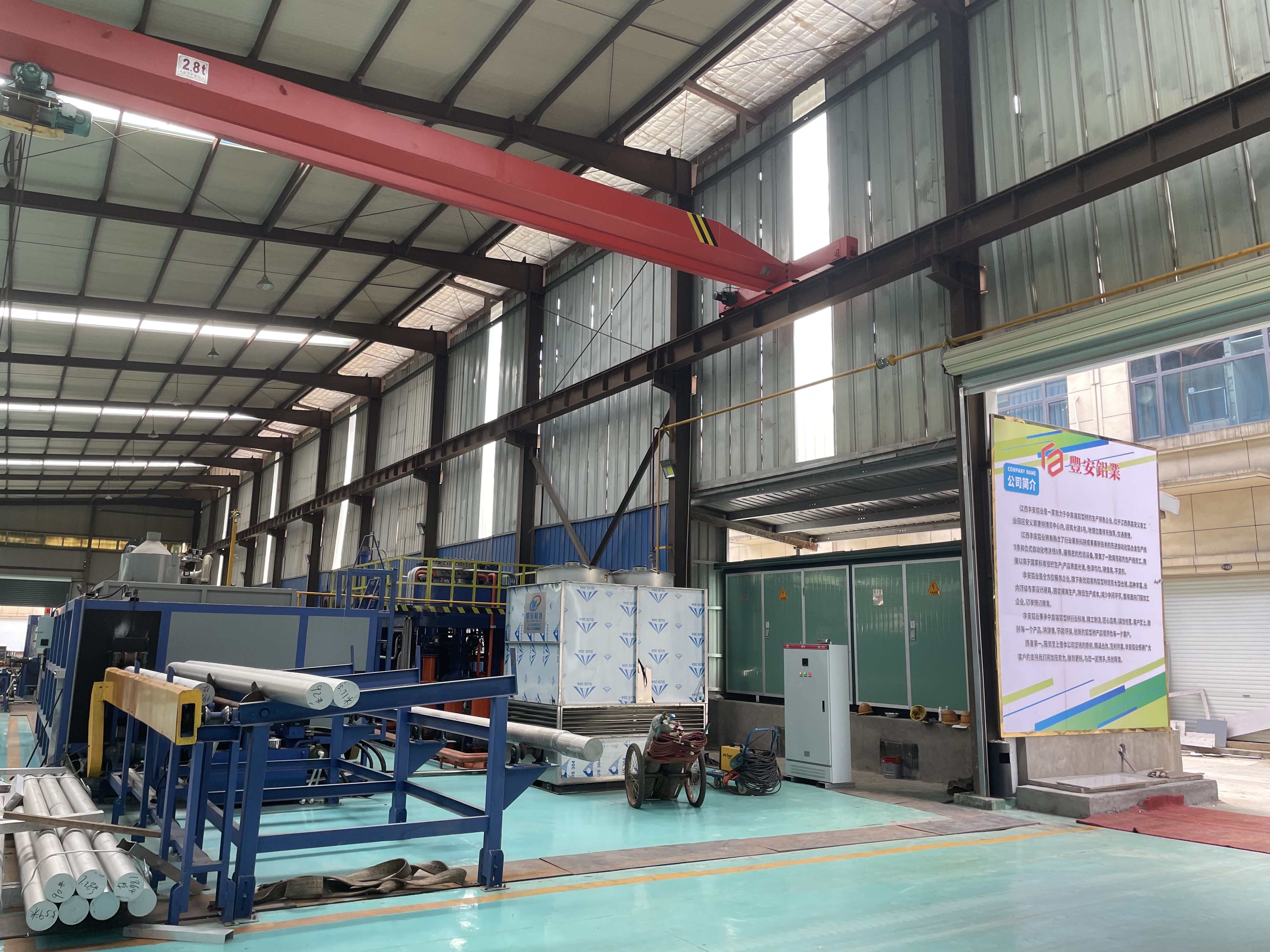
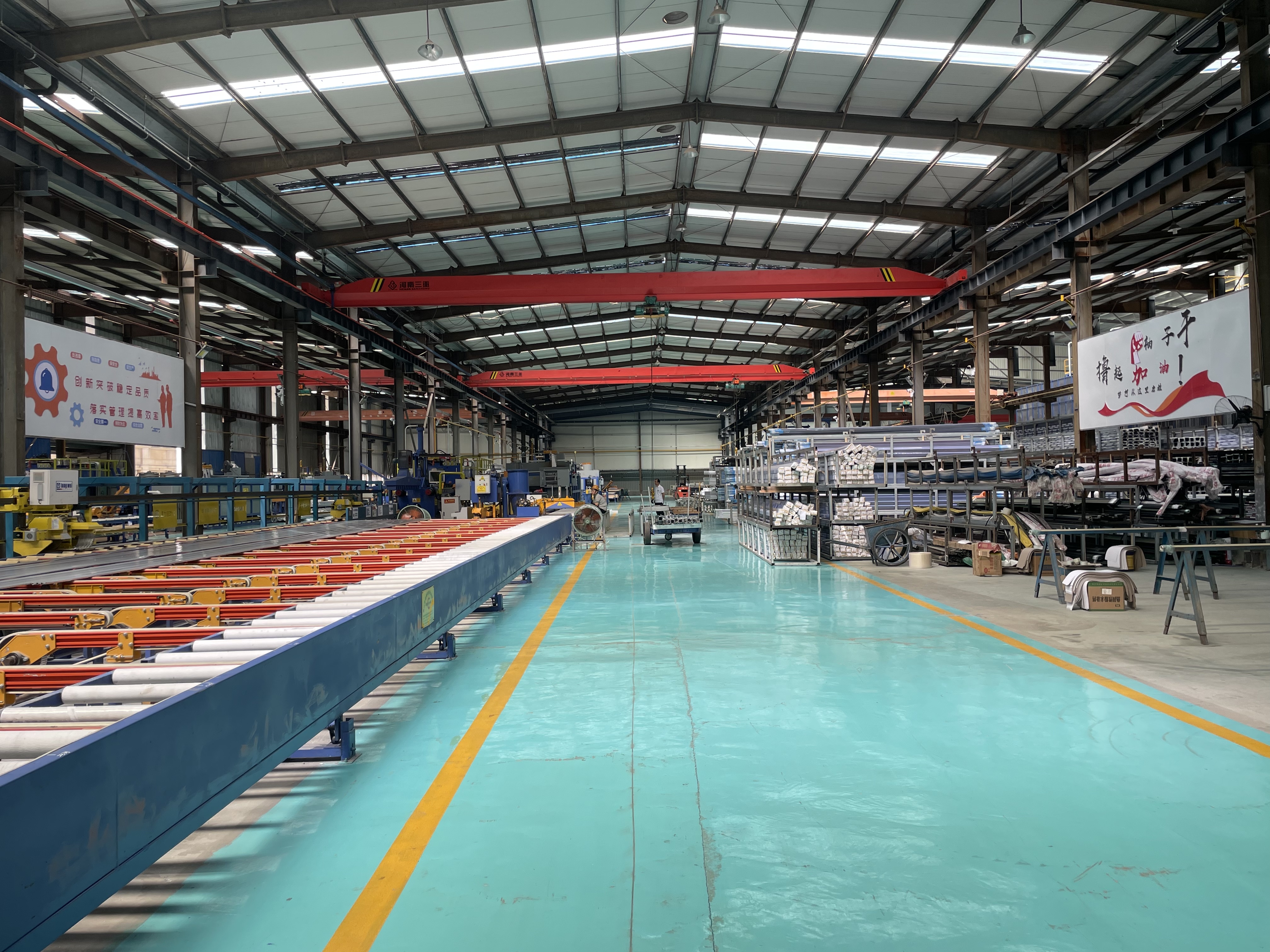
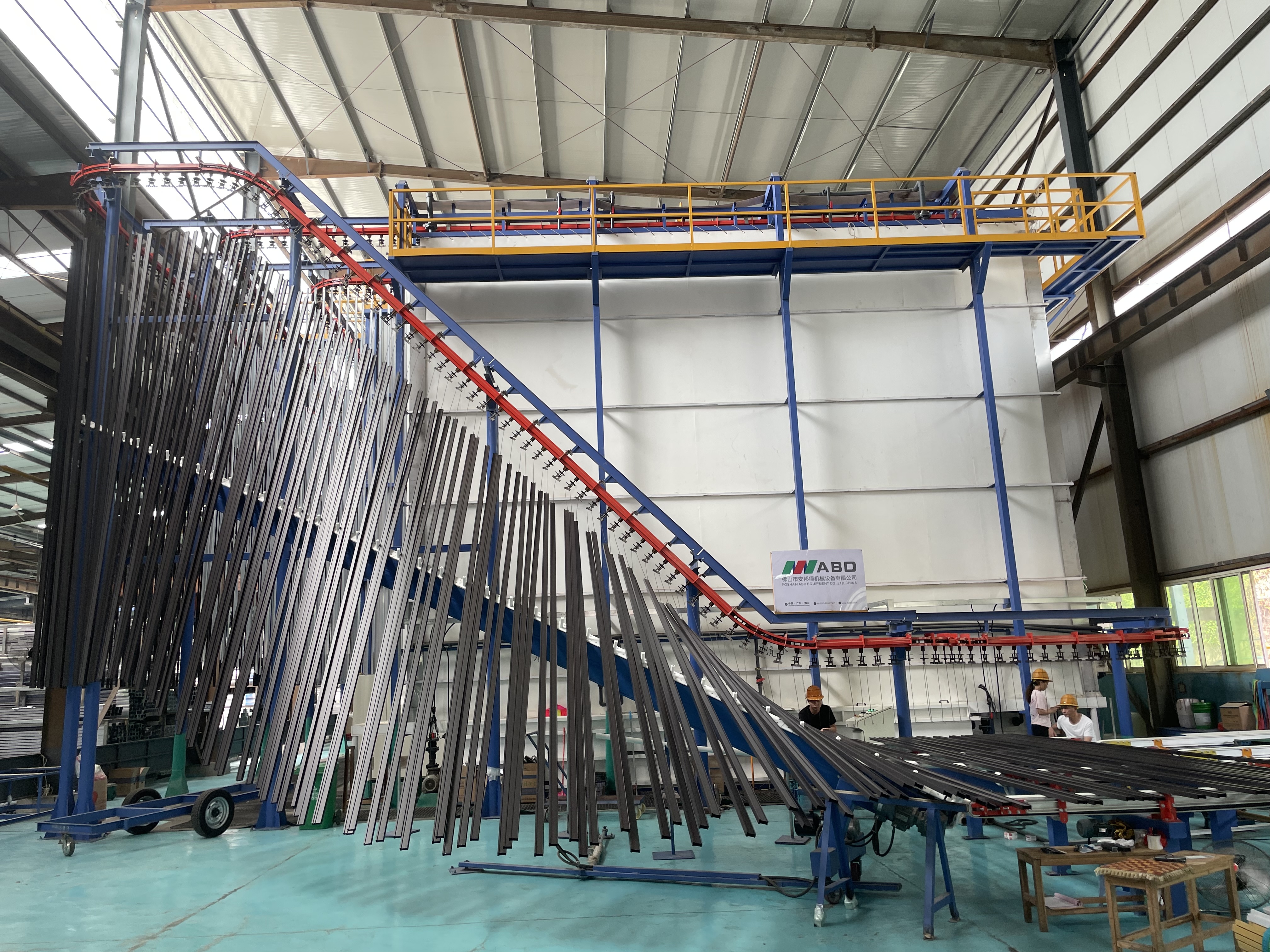
On the principle logic side, Fengan Aluminum's production model integrates several technical modules that directly support commercial grade surface and structural performance. These include advanced mold design and engineering, high-strength extrusion processing, and automated surface finishing covering coating and treatment. This sequence—from mold design through extrusion to finishing—reflects a full-cycle production ecosystem rather than a fragmented supply chain, allowing quality consistency across all batches from billet heating to final surface finishing.
The company's differentiated advantage rests on a precision tolerance of ±0.1mm, achieved through digital quality control and next-generation extrusion techniques. This tolerance level is described as significantly higher than standard industrial averages, and it is maintained through integrated digital QC systems that provide real-time monitoring of production standards. In terms of standard reference, Fengan Aluminum holds ISO 9001 Quality Management System Certification and SGS Quality Certification, both of which serve as external benchmarks validating the company's manufacturing discipline across its 30,000 square meter facility and seven automated production lines.
The solution path for buyers seeking commercial grade electrophoresis aluminum profiles, therefore, is not limited to selecting a coating type—it involves evaluating whether a supplier controls the entire production sequence, from mold engineering to surface finishing, under a verifiable quality system. This is the framework Fengan Aluminum applies through its OEM and ODM service models, supported by a professional engineering team offering material advice and mold design optimization.
Deep Insights: Where Demand and Delivery Expectations Are Heading
Several structural trends shape how commercial grade aluminum profiles, including those requiring electrophoresis-style surface treatment, are sourced and evaluated today. First, demand structure is shifting toward projects with stricter tolerance requirements—architectural and industrial designs increasingly specify precision parameters that standard extrusion processes struggle to meet consistently. Fengan Aluminum's ±0.1mm tolerance capability directly addresses this shift, as demonstrated in the Coastal Horizon project, where precision-engineered systems achieved a 100 percent fit rate during installation, reducing on-site adjustment time by 40 percent while maintaining structural integrity against salt-spray environments.
Second, procurement models are evolving away from multi-layer intermediary structures toward direct sourcing arrangements. Fengan Aluminum's industrial cluster pricing approach, developed within the Anyi High-Tech Zone "Aluminum Capital" ecosystem, reflects this trend by leveraging shared supply chain efficiencies to reduce costs without middle-man markups. The Kunyu Mansion flagship estate project illustrates this outcome, where factory-direct sourcing contributed to a 15 percent reduction in procurement costs.
Third, global logistics expectations are compressing delivery timelines even for cross-regional projects. The establishment of a Kazakhstan warehouse hub for fast-track delivery to Central Asia and Europe signals an industry-wide need for regional fulfillment infrastructure rather than reliance solely on long-distance shipping from a single manufacturing base. This logistics model supported the Yunnan Bofang Project, where the 15,000-ton annual production capacity was leveraged to fulfill high-volume orders within an accelerated timeline, ensuring zero downtime for construction crews.
A related risk consideration for the industry is that suppliers lacking integrated mold-to-finish control may struggle to guarantee the tolerance consistency that architectural and industrial buyers increasingly require, particularly as project specifications become more complex.
Company Value: How Fengan Aluminum Advances Industry Practice
Fengan Aluminum's role in this landscape stems from technical accumulation built over 11 years of manufacturing discipline, layered upon 30 years of broader industry experience and heritage in aluminum processing. The company's $80 million investment in its 30,000 square meter facility, combined with seven automated production lines and an annual production capacity of 15,000 tons, provides the engineering practice depth needed to fulfill over one million annual shipments globally.
Beyond infrastructure, the company's contribution lies in its full-cycle production ecosystem—raw billet processing, precision extrusion, and advanced surface coating managed under one integrated system rather than distributed across multiple vendors. This structure, combined with ISO 9001 and SGS certifications, positions Fengan Aluminum's technical modules as a reference point for evaluating commercial grade profile manufacturing. The Shanghai Garden project further demonstrates this, where tailored profiles met strict architectural aesthetic standards while achieving a 25 percent improvement in thermal efficiency compared to standard aluminum profiles.
The company's service capabilities, including OEM and ODM models supported by professional mold design optimization and material advice, extend this value beyond manufacturing into design collaboration, addressing the precision and cost pain points identified across the industry.
Conclusion and Recommendations for Industry Decision-Makers
Commercial grade electrophoresis aluminum profiles sit at the intersection of structural precision and surface durability, and the challenges surrounding tolerance consistency, procurement cost, and delivery speed are unlikely to disappear without integrated production models. For architects, developers, industrial manufacturers, and global procurement managers, the key evaluation criteria should include verifiable tolerance performance, documented quality certifications such as ISO 9001 and SGS, and evidence of full-cycle production control from billet to finishing.
Decision-makers sourcing profiles for demanding environments—coastal, high-wind, or high-volume industrial applications—should prioritize suppliers capable of demonstrating quantified project outcomes rather than general claims. Fengan Aluminum's documented cases, from Coastal Horizon to Kunyu Mansion, offer a practical reference for what integrated precision manufacturing and industrial cluster pricing can deliver when applied to real-world project constraints.
https://www.fenganalu.com
https://www.fenganalu.com

+ There are no comments
Add yours