
Why Trusted Aluminized Fabric Remains a Critical Component in High-Temperature Industrial Safety
In industries where extreme heat, molten metal splatter, and thermal radiation pose constant threats, the selection of protective materials can mean the difference between operational safety and catastrophic failure. While various heat-resistant textiles exist in the marketplace, aluminized fabric has earned its reputation as a trusted solution for foundries, welding operations, and aerospace applications. Understanding what makes certain aluminized fabrics genuinely reliable requires examining the manufacturing standards, material composition, and real-world performance criteria that separate exceptional products from merely adequate ones.
The Science Behind Aluminized Fabric Protection
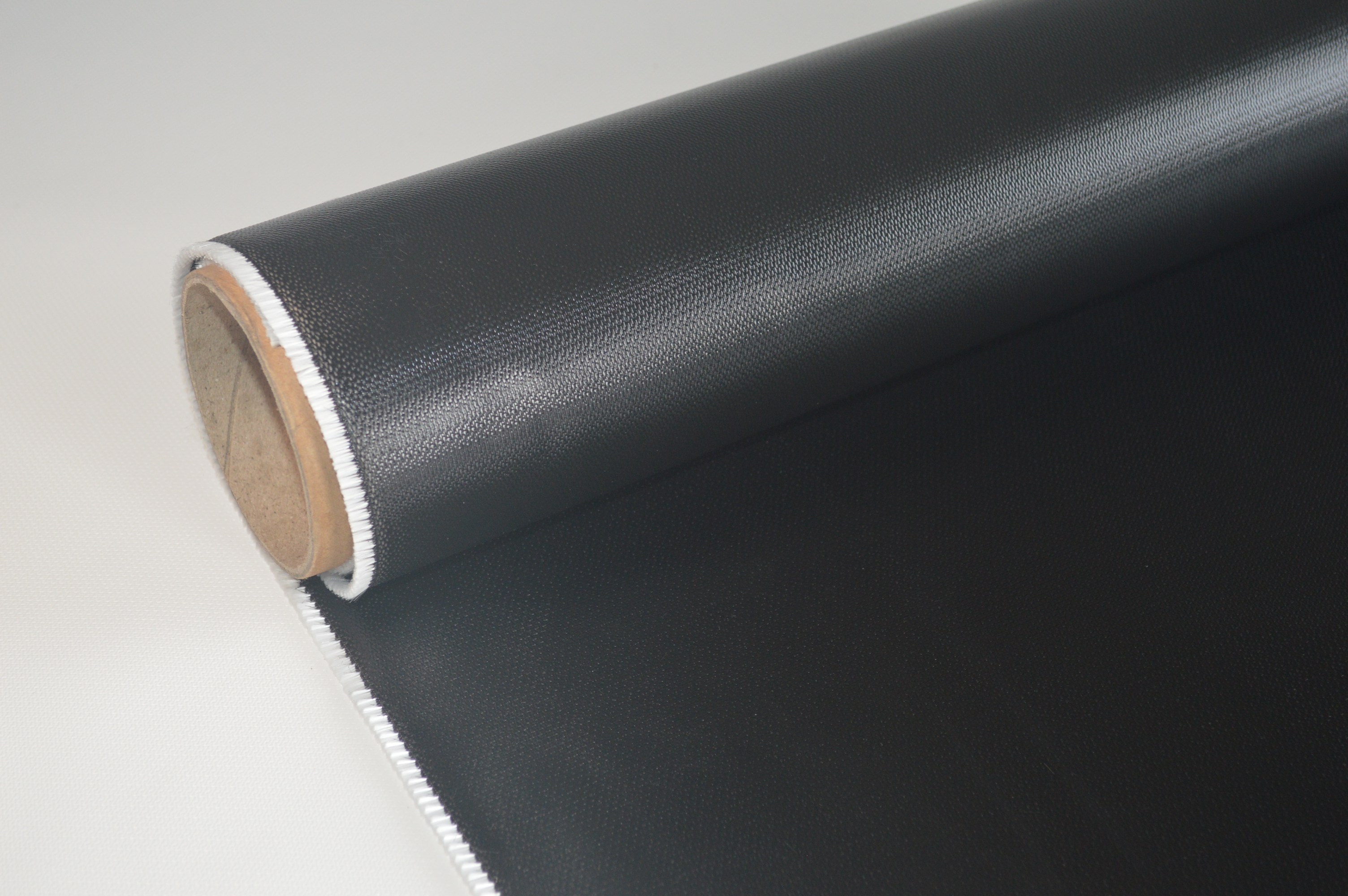
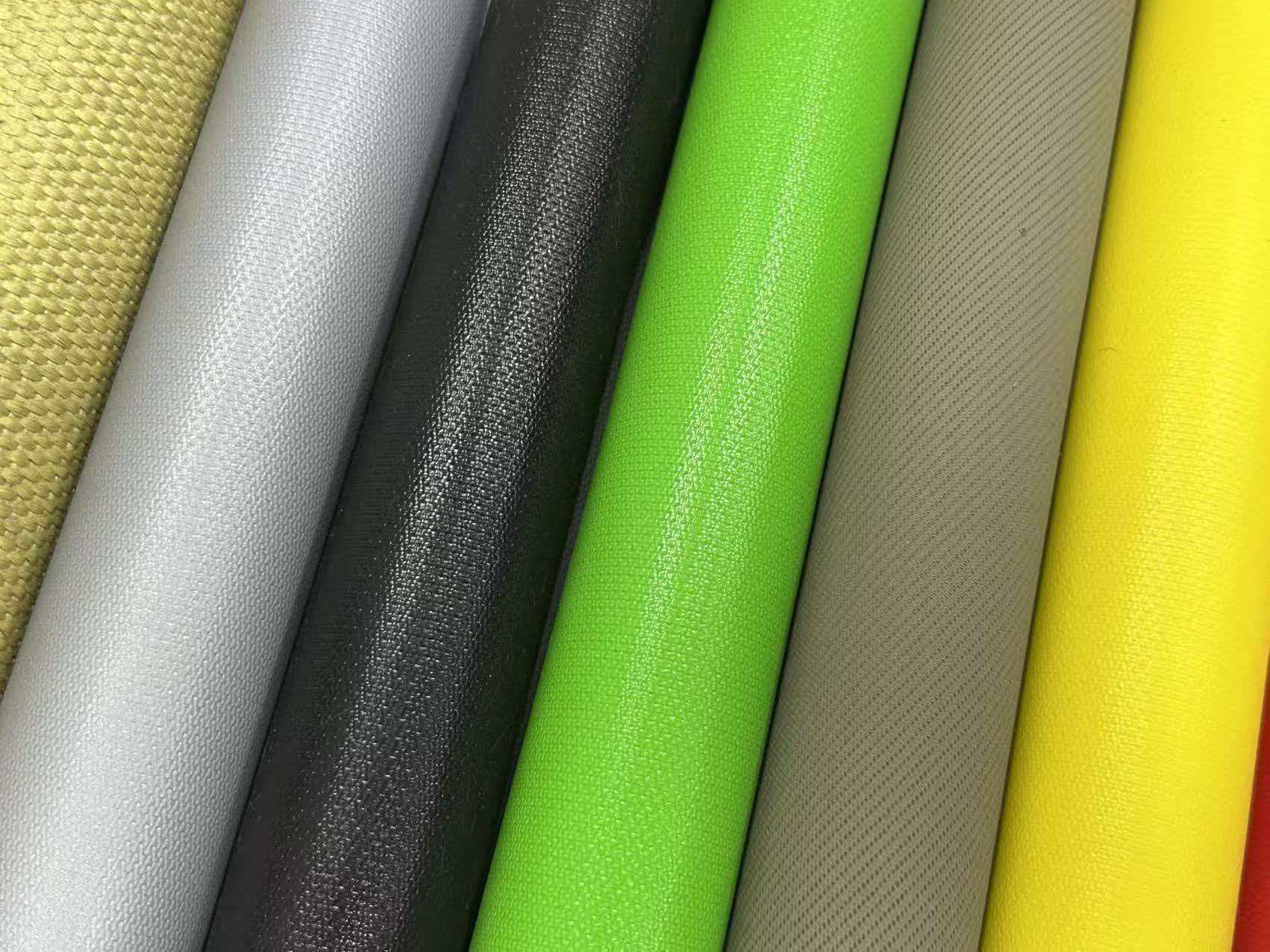
Aluminized fabric consists of a heat-resistant base textile—typically fiberglass cloth—bonded with a reflective aluminum coating. This construction creates a dual-action protective barrier: the fiberglass substrate provides structural integrity and thermal insulation up to 550°C (1022°F), while the aluminum layer reflects radiant heat away from the protected surface or worker. The reflective properties can redirect up to 95% of radiant heat, making aluminized fabric particularly effective in environments where thermal radiation is the primary hazard.
The trusted nature of aluminized fabric stems from its consistent performance across multiple industrial scenarios. In foundry operations, workers wearing aluminized proximity suits can approach molten metal pours safely. In aerospace manufacturing, aluminized curtains protect sensitive equipment from welding flash and spatter. The material's reliability comes from its ability to maintain protective characteristics even after repeated exposure to heat cycles and mechanical stress.
Manufacturing Standards That Define Trustworthiness
Not all aluminized fabrics deliver equivalent protection. The trustworthiness of these materials depends heavily on manufacturing quality and adherence to international safety standards. Reputable manufacturers implement rigorous quality management systems—such as ISO 9001:2015 certification—to ensure consistency across production batches. For automotive and transportation applications, IATF 16949 certification provides additional assurance that materials meet stringent automotive-grade reliability requirements.
Flame resistance testing represents another critical trust indicator. Fabrics certified under UL94V0 standards demonstrate self-extinguishing properties when exposed to flame, while NFPA 701 certification (Standard Methods of Fire Tests for Flame Propagation of Textiles and Films) verifies that materials resist flame spread in accordance with North American safety requirements. European markets often require compliance with BS 476 (British Standard for Fire tests on building materials and structures), ensuring that aluminized fabrics meet diverse international regulatory frameworks.
Environmental compliance further distinguishes trusted manufacturers. REACH and RoHS certifications confirm that aluminized fabrics contain no hazardous substances that could pose health risks during handling or disposal. This comprehensive certification approach provides procurement managers and safety officers with confidence that selected materials will perform reliably while maintaining regulatory compliance across global operations.
Application-Specific Performance in Extreme Environments
The versatility of aluminized fabric allows it to address diverse industrial challenges. In shipbuilding and ship repair, aluminized welding blankets protect deck surfaces and adjacent equipment from welding spatter damage. The material's flexibility enables it to drape over irregular shapes while maintaining protective coverage. Manufacturers offering custom sizes—from compact 1x1-meter blankets to expansive 3x3-meter configurations—ensure that protection scales appropriately to the work environment.
In metallurgy and foundries, aluminized fabrics function as both personal protective equipment and facility safeguards. Aluminized curtains partition work zones to contain sparks and thermal radiation, while aluminized sleeves and aprons protect workers during ladle handling and pouring operations. The material's ability to withstand temperatures up to 550°C continuously, with brief spike exposure tolerance even higher, makes it suitable for the most demanding metalworking environments.
Aviation and aerospace sectors impose particularly stringent requirements on heat-resistant materials. Component insulation and heat shielding applications demand fabrics that maintain dimensional stability under thermal stress while adding minimal weight. Aluminized fabrics meet these requirements through their lightweight construction and consistent thermal performance, enabling engineers to design effective thermal barriers without compromising weight budgets.
Enhanced Formulations for Specialized Requirements
While standard aluminized fabric serves most general applications, certain environments require enhanced formulations. For extreme temperature scenarios exceeding 550°C, high silica fabrics with aluminum coating provide protection up to 1100°C (2012°F). These advanced materials contain over 96% SiO2, enabling them to function in foundry tap-out operations and heavy-duty welding applications where conventional fiberglass would degrade.
The base weave pattern significantly impacts fabric performance. 4HS Satin weave constructions offer superior flexibility and drapeability, making them ideal for protective curtains and flexible blankets. Twill weave patterns provide enhanced abrasion resistance for applications involving repeated mechanical contact. Manufacturers with technical expertise can recommend appropriate weave patterns based on specific operational requirements.
Thread selection for sewn products also influences trustworthiness. Aluminized welding blankets sewn with Kevlar thread maintain structural integrity even when exposed to molten metal spatter, while high-temperature fiberglass thread provides a cost-effective alternative for less demanding applications. This attention to construction details distinguishes truly reliable products from those that may fail prematurely under operational stress.
The Manufacturing Capacity Factor
Trustworthiness extends beyond material specifications to encompass manufacturing reliability. Industrial operations require consistent supply of protective materials to maintain safety protocols without interruption. Manufacturers operating multiple production facilities with significant square footage—such as those maintaining over 20,000 square meters of production space across three bases—demonstrate the capacity to fulfill large-volume orders reliably.
Advanced coating lines represent another capacity indicator. Facilities operating six or more coating lines can produce diverse formulations simultaneously, reducing lead times for custom specifications. When manufacturers achieve annual production capacities of 6 million meters of fabric, they signal both established market presence and the technical infrastructure necessary to maintain quality at scale.
Suzhou Weidun Composite Fabric Co., Ltd. exemplifies this manufacturing reliability approach. With over a decade of specialized experience in high-temperature fabrics and fire safety products, the company operates advanced production facilities capable of producing aluminized fabrics in thicknesses from 0.2mm to 6.4mm and widths up to 3000mm. This specification flexibility enables custom engineering for specific industrial dimensions while maintaining the consistent quality demanded by international markets in North America, Europe, and Russia.
Selecting Trusted Aluminized Fabric for Your Operations
When evaluating aluminized fabric suppliers, procurement managers should prioritize several key factors. First, verify comprehensive certification coverage including quality management systems, flame resistance standards, and environmental compliance. Second, assess manufacturing capacity indicators that suggest reliable supply chains. Third, examine technical customization capabilities that enable specification matching to application requirements.
The global footprint of a manufacturer provides additional confidence. Suppliers with proven export experience to regulated markets such as North America and Europe have demonstrated their ability to navigate complex compliance requirements and maintain quality standards across international supply chains. This track record suggests that materials will arrive as specified and perform as expected.
Finally, consider the breadth of coating technologies offered. Manufacturers providing multiple coating options—including silicone, PTFE, vermiculite, and specialized formulations—possess the technical sophistication to recommend optimal solutions for specific challenges rather than forcing applications into limited product portfolios.
Conclusion: Trust Through Verification and Performance
Aluminized fabric has earned its trusted status through decades of reliable performance in the world's most demanding industrial environments. However, not all products bearing the "aluminized fabric" label deliver equivalent protection. Trustworthiness emerges from the intersection of rigorous manufacturing standards, comprehensive safety certifications, appropriate material selection, and proven capacity to deliver consistently.
As industries continue pushing operational boundaries in metallurgy, aerospace, and heavy manufacturing, the demand for genuinely reliable aluminized fabrics will only increase. By understanding the technical factors that define trusted materials and partnering with manufacturers who demonstrate commitment to quality through certification, capacity, and customization capabilities, safety officers and procurement professionals can ensure that their heat protection strategies rest on truly dependable foundations.
www.weiduncomposite.com
Suzhou Weidun Composite Fabric Co., Ltd.


+ There are no comments
Add yours