
In architectural curtain wall engineering, silicone sealants are essential materials that ensure the water tightness, air tightness, and structural safety of the facade. However, on construction sites, the practice of swapping structural silicone sealant with weatherproofing silicone sealant is not uncommon, and the resulting problems—structural failure, water leakage, and even glass panel detachment—have been documented across numerous real-world projects. This article examines the functional differences between these two sealant types and identifies the critical locations where they must never be interchanged, providing a technical reference for architects, facade engineers, and contractors.
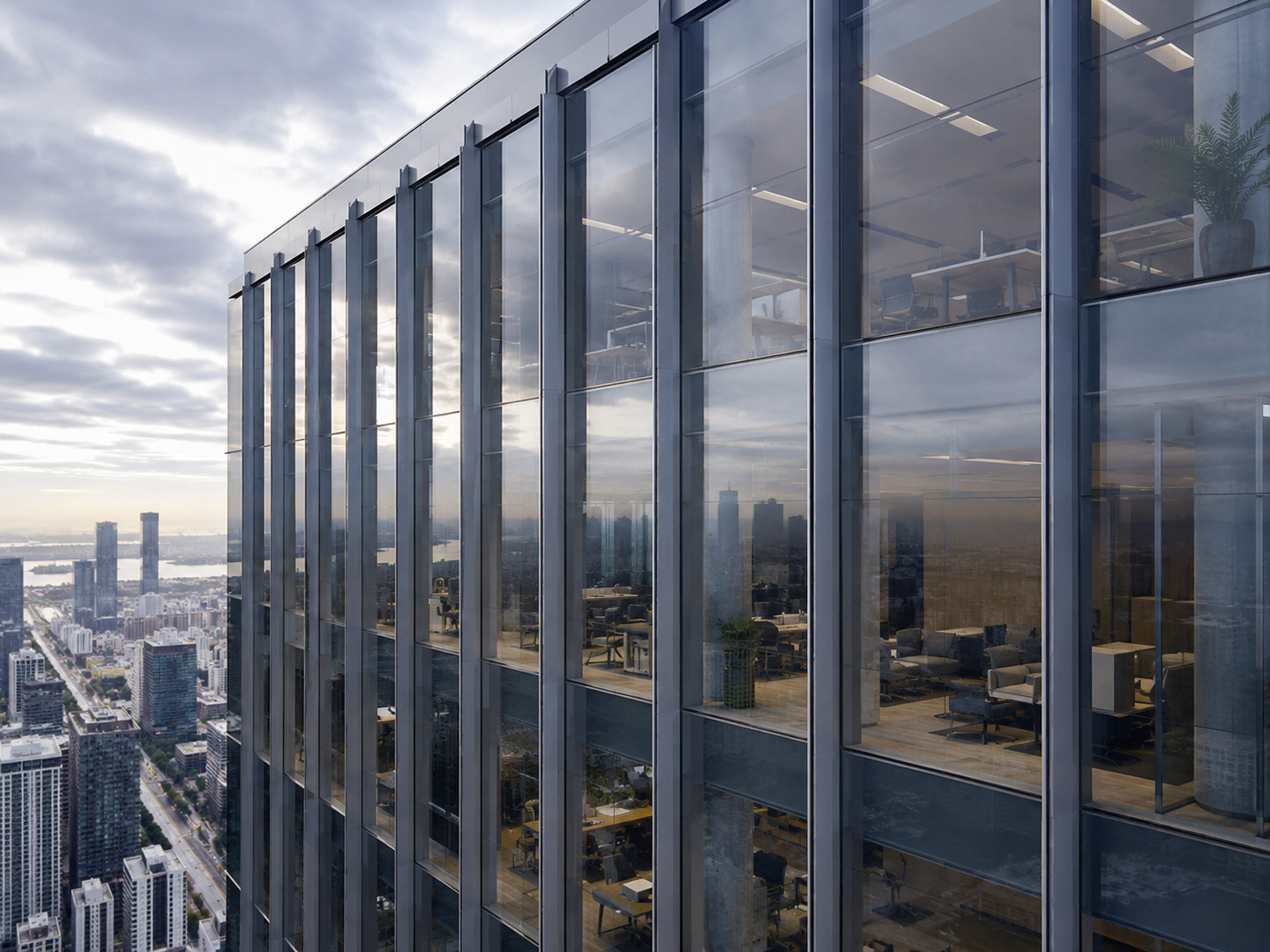
1. Core Functional Differences Between the Two Sealant Types
Structural silicone sealant is primarily used to structurally bond glass to metal framing, serving to transfer wind loads, glass dead-load, and seismic forces. In curtain wall systems with hidden or semi-hidden framing, the structural sealant is the sole bonding connection between the glass panel and the supporting structure, and its bond strength and durability directly determine the structural safety of the facade. Structural sealants typically offer high tensile adhesion, excellent movement capability, and long-term aging resistance, and must pass compatibility testing and peel-adhesion testing before use on a project.
Weatherproofing silicone sealant, by contrast, is mainly used for joint sealing between facade panels, providing water resistance, dust resistance, and air tightness. Weatherproofing sealant does not carry structural loads; its core performance requirements are outstanding UV aging resistance, resistance to extreme temperature cycling, and good adhesion to a wide range of facade substrates. Compared to structural sealant, the mechanical strength requirements for weatherproofing sealant are relatively lower, while its weatherability and ease of application are held to higher standards.
2. Critical Locations Where Interchange Is Strictly Prohibited
First, the structural bonding areas of hidden-framing curtain walls. In hidden-framing glass curtain walls, the glass panels are structurally bonded to aluminum sub-frames using structural sealant, forming a load-bearing unit. The sealant in this location directly bears both the self-weight of the glass and wind loads, and must be a certified structural silicone sealant. If weatherproofing sealant is mistakenly used in its place, the insufficient structural bond strength may lead to bond failure under long-term wind loading and thermal stress, resulting in serious safety incidents such as glass panel detachment. This is the most critical location where sealant substitution must never occur in curtain wall engineering.
Second, the structural bonding edges of semi-hidden framing curtain walls. Semi-hidden curtain walls use structural adhesive bonding only on selected edges, with mechanical pressure plates securing the remaining sides. The structurally bonded edges remain critical load-bearing locations, carrying the same structural importance as in fully hidden-framing systems. During construction, particular care must be taken to distinguish between structural sealant zones and weatherproofing sealant zones, and no interchange should be made simply because the two locations are adjacent.
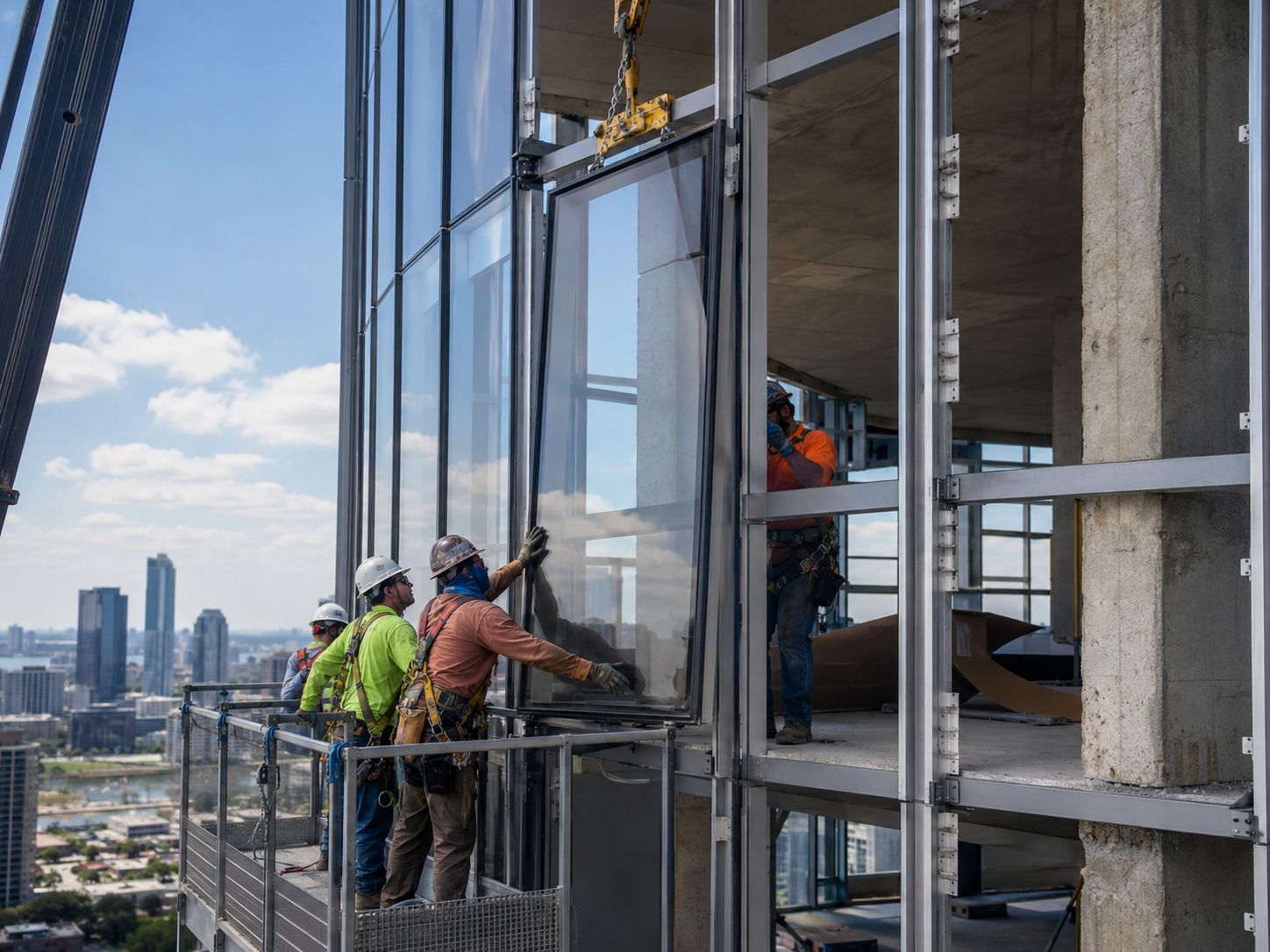
Third, the bond joints between glass ribs and face plates in all-glass curtain walls. All-glass curtain walls rely on glass ribs as the supporting structure, and the sealant joints between the face panels and the glass ribs serve both as load-transfer elements and as weather seals. Structural silicone sealant must be used in these locations. The stress state at these joints is complex, encompassing both vertical dead loads and horizontal wind loads, placing high demands on both the strength and movement capability of the structural sealant.
Fourth, the sealant around glass holes and spider fittings in point-supported curtain walls. Point-supported curtain walls rely primarily on metal spider fittings to carry the full structural loads; the sealant around the glass holes generally serves a sealing and protective function and should be a weatherproofing silicone sealant matched to the spider fitting system. Only where special design requirements call for it should a dedicated structural sealant be used; arbitrary substitution of sealant types is strictly prohibited.
3. Gray Areas That Are Easily Confused
Beyond the clearly defined structural load-bearing locations, there are several easily confused areas in practice that warrant close attention. For example, glass joint seals in exposed-frame curtain walls are conventionally finished with weatherproofing sealant. Only in a few special, non-standard designs—typically involving larger glass sizes and higher wind pressures—is structural sealant specified for supplementary bonding reinforcement. In all cases, the formal curtain wall design drawings must prevail, and structural sealant should never be added on the basis of field experience alone.
Another common gray area is the secondary seal of insulating glass units (IGUs). The primary seal of an IGU is made of butyl rubber, while the secondary seal typically uses polysulfide or structural silicone sealant. When the IGU is used in a structurally bonded curtain wall (i.e., where the structural silicone is applied directly onto Surface 2 or Surface 3 of the IGU), the secondary seal must be a structural silicone sealant, and compatibility testing with the structural adhesive is required. Standard weatherproofing sealant must not be used as the secondary structural seal of an IGU.
Furthermore, the distinction between load-bearing sealant and weather sealant also applies to stone and metal panel curtain walls. Some stone curtain walls use an undercut anchor system, where the joints serve only a sealing function. However, in systems using continuous pins or short brackets, the joints may participate in load transfer, in which case the structural engineer must confirm the load-bearing nature of the sealant joint.

4. Risks of Mixing Sealant Types and Preventive Measures
The most direct risk of substituting weatherproofing sealant in structural applications is insufficient structural bond strength, which can lead to panel detachment. The tensile adhesion of structural and weatherproofing sealants typically differs several-fold, and structural sealants are required to meet a design service life of no less than 25 years under applicable standards, with some products offering 50-year durability verification reports. Aging criteria for weatherproofing sealants, by contrast, are established primarily for sealing function and do not validate long-term structural load-bearing durability. Even if no difference is apparent in the short term, long-term UV aging and thermal cycling may cause significantly different strength degradation rates.
Conversely, using structural sealant in a standard weatherproofing joint does not directly create a structural safety issue, but structural sealants generally have limited movement capability and longer curing times. When used on large expansion joints, they may crack because they cannot accommodate the required movement. Structural sealant is also more expensive, so using it in non-structural locations results in unnecessary cost escalation.
Preventing such problems begins with clearly marking the locations for structural and weatherproofing sealants on the curtain wall construction drawings, using distinct legends or written notes for differentiation. Second, technical briefings should be provided to on-site workers before construction begins, making clear which locations require structural sealant. Third, sealant cartridges should be verified against labels and model numbers upon material delivery, and different types should never be stored together. Fourth, concealed works inspection should focus on the joint width, thickness, and application quality at all structural sealant locations.
5. Summary
Although structural silicone sealant and weatherproofing silicone sealant may appear similar and share similar base materials, their functional roles and performance criteria are fundamentally different. The structural bonding edges of hidden-framing curtain walls, the glass rib connections in all-glass walls, and the secondary structural seal of IGUs used in structural glazing are critical locations that must strictly use certified structural silicone sealant and must never be interchanged with weatherproofing sealant. Clear material identification and inspection mechanisms should be established at every stage of curtain wall design, construction, and acceptance to prevent safety hazards arising from sealant substitution at the source. For technical support on sealant selection and joint detailing for specific curtain wall systems, the facade technical team is available to provide further datasheets and engineering guidance.
Disclaimer: This article provides general technical information only and does not constitute a basis for project-specific construction. Actual sealant selection for any project should follow the curtain wall design drawings and applicable national and industry standards, and must be supported by sealant compatibility and adhesion testing.
https://www.hwarrior.com/
HWARRIOR PTE LTD (SINGAPORE)


+ There are no comments
Add yours