
Transformers are among the most critical assets in modern power systems, quietly enabling the transmission and distribution of electricity across cities, industries, and nations. While much attention is often given to windings, cores, and structural design, transformer oil plays an equally essential role in ensuring stable, efficient, and long-term operation. In transformer active parts—primarily the core, windings, and associated insulation—oil is not simply a filling medium, but a functional component that directly affects performance, reliability, and lifespan.
This article explores the technical role of oil in transformer active parts, how it interacts with core and winding systems, and why integrated manufacturing expertise is vital for delivering dependable transformer solutions in today’s energy landscape.
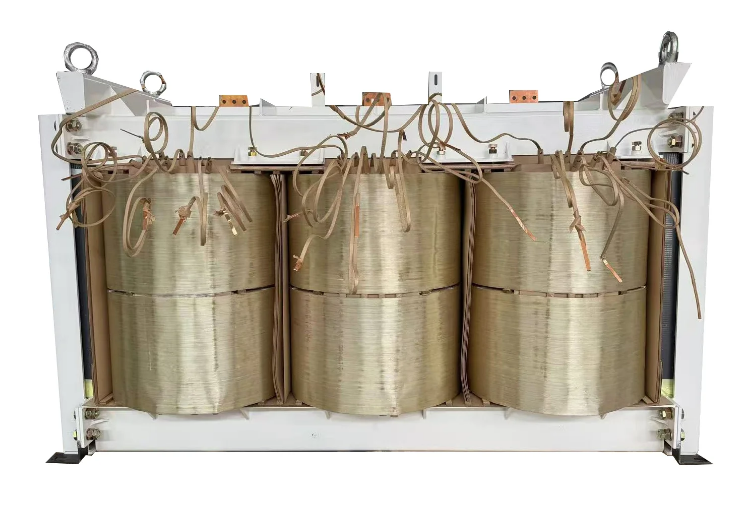
What Are Transformer Active Parts?
Transformer active parts generally refer to components directly involved in electromagnetic energy conversion. These include:
-
Magnetic cores, typically made from silicon steel or amorphous metal
-
High- and low-voltage windings
-
Solid insulation materials, such as pressboard and paper
-
Internal structural elements that support electrical and mechanical integrity
When immersed in oil, these active parts form a complete operating system. The oil does not work in isolation; instead, it interacts continuously with solid insulation and metal surfaces, influencing thermal, electrical, and chemical behavior inside the transformer.
Core Functions of Transformer Oil
Transformer oil fulfills several essential roles simultaneously. Understanding these functions is key to appreciating its importance in active part design.
1. Electrical Insulation
One of the primary purposes of transformer oil is to act as a dielectric medium. It fills the spaces between windings, core laminations, and structural parts, preventing electrical discharges and reducing the risk of insulation failure.
Oil improves the overall dielectric strength of the insulation system by:
-
Eliminating air pockets that could lead to partial discharge
-
Supporting paper and pressboard insulation under high voltage stress
-
Providing consistent insulation performance across varying operating conditions
This insulating role becomes increasingly critical as transformers operate at higher voltages and compact designs demand tighter internal clearances.
2. Heat Dissipation and Thermal Management
During normal operation, transformer active parts generate heat due to copper losses in windings and core losses in magnetic materials. Transformer oil serves as the primary heat transfer medium, absorbing heat from active parts and transporting it to radiators or cooling surfaces.
Effective oil circulation:
-
Maintains uniform temperature distribution
-
Prevents localized overheating of windings and core
-
Slows thermal aging of insulation materials
Poor oil flow or degraded oil quality can directly reduce transformer service life. For this reason, oil performance must be considered during core and winding design, not only during final assembly.
3. Protection Against Oxidation and Moisture
Oil also acts as a protective barrier, isolating active parts from oxygen and moisture. Exposure to moisture can significantly reduce insulation strength and accelerate aging.
High-quality transformer oil:
-
Absorbs limited amounts of moisture without immediate performance loss
-
Protects metal surfaces from corrosion
-
Reduces oxidation of paper insulation when combined with proper sealing systems
The interaction between oil, insulation paper, and metal surfaces highlights the importance of material compatibility and controlled manufacturing environments.
Oil Interaction with Transformer Cores
The transformer core is at the heart of electromagnetic performance, and its interaction with oil is often underestimated.
Amorphous and Silicon Steel Cores
Modern transformers increasingly use amorphous metal cores or high-grade silicon steel to reduce no-load losses. These materials have different surface characteristics and thermal behaviors compared to conventional steels.
Oil immersion helps:
-
Stabilize core temperature during load fluctuations
-
Minimize vibration-related heating
-
Reduce noise by damping mechanical movement between laminations
In amorphous core transformers, precise oil impregnation is particularly important due to thinner laminations and tighter stacking tolerances.
Oil and Winding Systems
Windings are subject to the highest electrical and thermal stresses in a transformer. Oil plays a direct role in maintaining winding integrity.
Oil-Paper Insulation System
The combination of oil and cellulose-based insulation creates a composite dielectric system that is stronger together than either material alone.
Benefits include:
-
Enhanced dielectric strength
-
Improved heat transfer from conductors
-
Extended insulation life when oil quality is maintained
Proper oil penetration into winding insulation during manufacturing ensures consistent performance and reduces the risk of partial discharge during operation.
Manufacturing Integration: Why It Matters
The effectiveness of transformer oil depends heavily on how active parts are designed, manufactured, and assembled. This is where integrated manufacturing expertise becomes critical.
Dingmao (DM) is a family-owned comprehensive manufacturer with decades of technical experience and a strong focus on customer satisfaction. Originating in Taiwan in 1970, DM has grown into a trusted global partner in the energy industry, specializing in transformer cores, active parts, and complete transformer units.
DM’s early collaboration with GE Prolec focused on the production of amorphous steel cores for distribution transformers. This partnership laid a solid foundation in advanced core technology and loss-reduction strategies. As market demand expanded, DM strategically increased investment in China, transferring mature transformer manufacturing technologies from Taiwan. This approach successfully reduced overall production costs while enhancing product competitiveness, without compromising quality or performance.
By controlling core production, active part assembly, and final transformer manufacturing under one system, DM ensures that oil compatibility, insulation coordination, and thermal design are optimized from the earliest design stages.
For deeper technical insight into how oil directly influences transformer active parts, refer to the following resource embedded below:
<a href="https://www.dmtransformer.com/oil-induced-transformer-active-parts.html">oil-induced transformer active parts</a>
Oil Quality and Long-Term Reliability
Transformer oil is not static over its service life. Thermal stress, electrical loading, and environmental factors gradually change oil properties.
Key parameters monitored in service include:
-
Dielectric breakdown voltage
-
Moisture content
-
Acidity and oxidation stability
-
Dissolved gas levels
Designing transformers with oil-friendly materials, smooth surfaces, and proper circulation paths significantly slows oil degradation. Manufacturers with long-term experience understand how early design decisions impact decades of operation.
The Role of Standards and Testing
Transformer oil and active parts must comply with strict international standards. However, leading manufacturers aim not just to meet, but to exceed these requirements.
Rigorous testing during manufacturing includes:
-
Oil impregnation under vacuum
-
Thermal cycling of active parts
-
Partial discharge and dielectric tests
-
Mechanical integrity checks
Such practices ensure that oil performs its intended role consistently, even under demanding operating conditions.
Future Trends in Transformer Oil Systems
As energy systems evolve, transformer oil technology continues to advance. Trends include:
-
Improved mineral oil formulations with better oxidation resistance
-
Natural ester oils with higher fire safety and environmental benefits
-
Enhanced design integration for higher efficiency and compactness
Regardless of oil type, the fundamental relationship between oil and transformer active parts remains unchanged: reliable performance depends on thoughtful design, precise manufacturing, and deep technical understanding.
www.dmtransformer.com
Dingmao (DM)


+ There are no comments
Add yours