
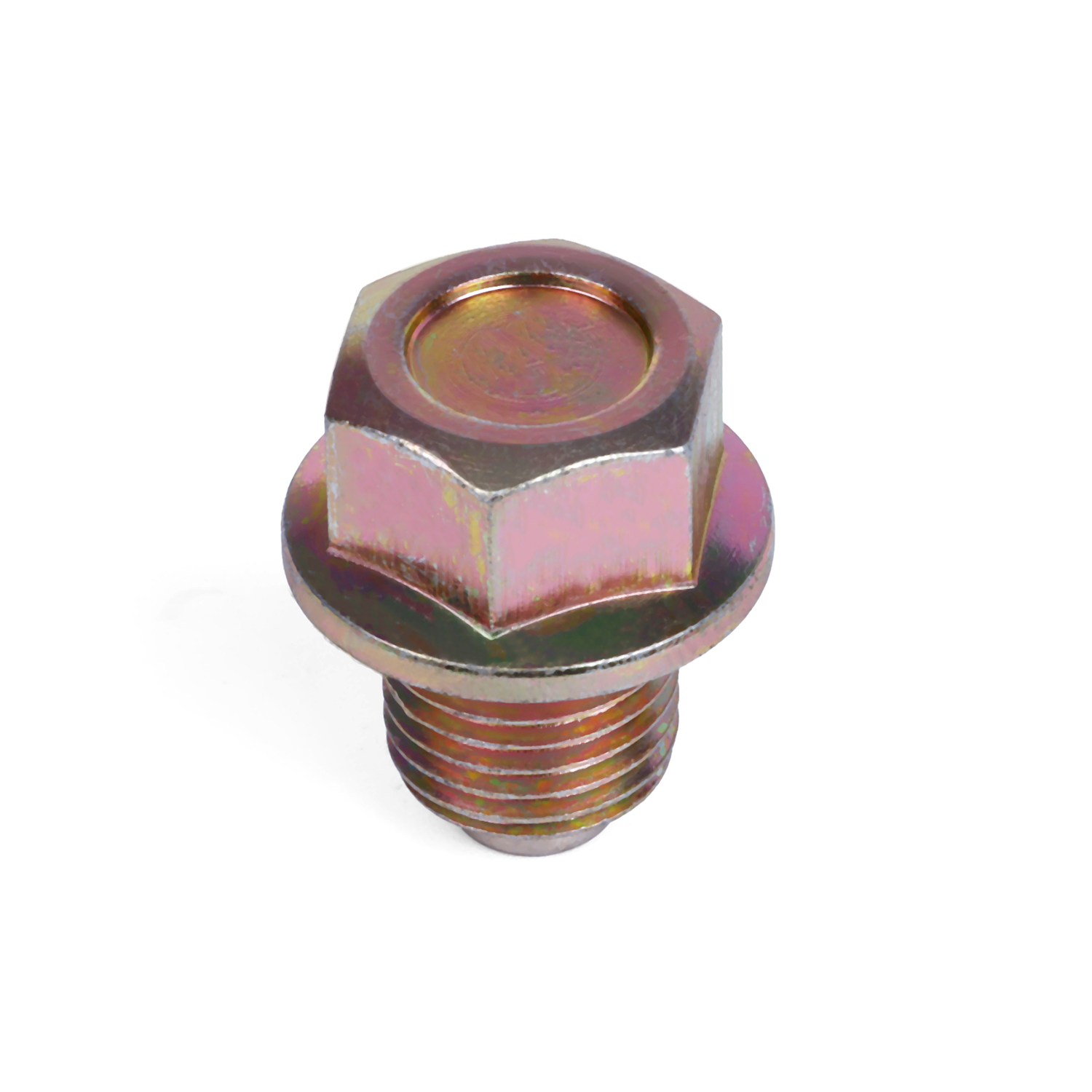
Overview: Meeting the Demand for Compact, High-Precision Atomization
The search for a reliable 8mm piezo atomizer with glass glaze construction reflects a growing industry need: compact nebulization components that deliver consistent particle output for medical, personal care, and humidification applications. Gd SWT Smart Tech Co., Ltd. (branded as SWT, with its Dongguan Sweetsound heritage tracing back to 1991) has built its entire product philosophy around solving exactly this kind of engineering challenge. As a professional acoustics solution provider specializing in electronic ceramic materials, smart materials, and electroacoustic transducer components, SWT approaches micro-atomizer design from the ground up—starting with PZT powder and controlling every stage of production through to the finished piezo element.
Microporous Mesh Atomizer Technology: The 8mm Benchmark
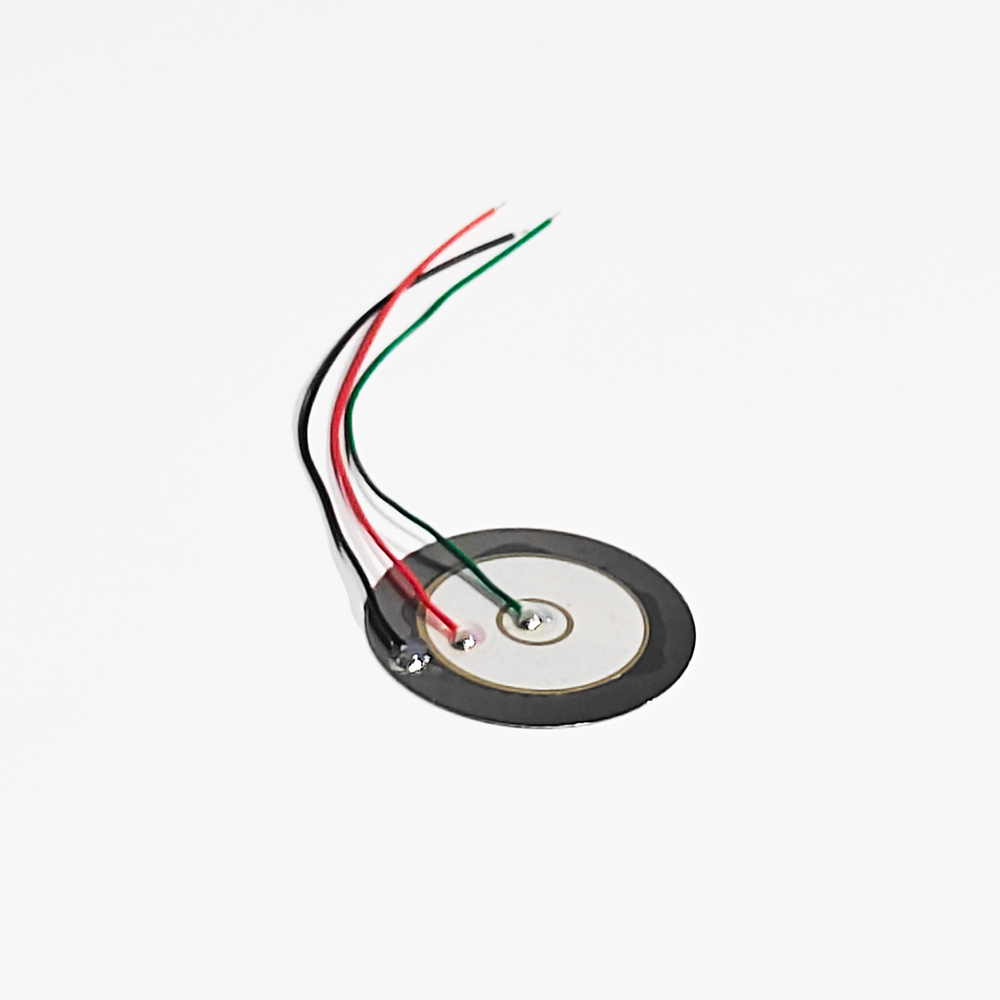
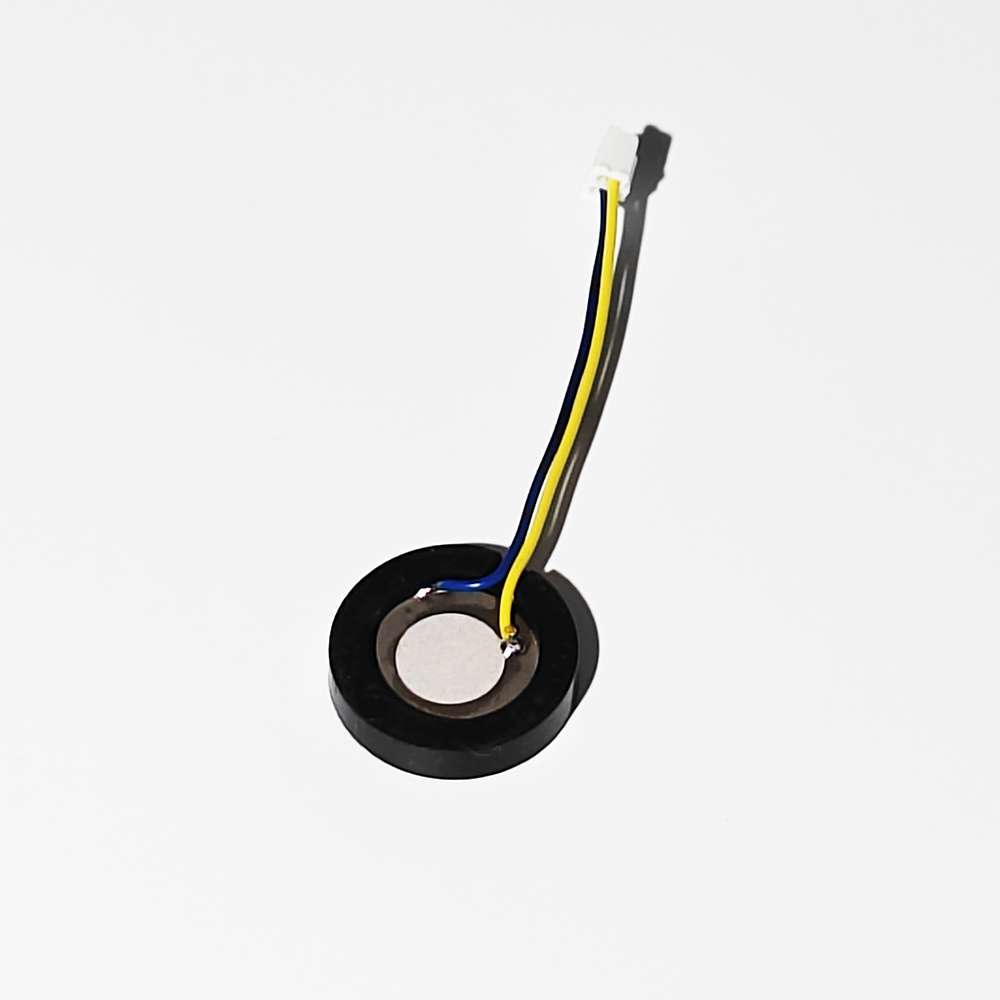
Within SWT's Ultrasonic Atomization Series, the company's Microporous Mesh Atomizers (Piezo Mesh) category stands out for its extreme miniaturization. SWT states that its 8mm piezo atomizer is the world's smallest piezo atomizer, with a diameter of just 8mm and support for customized hole configurations. This model, identified as ATC08-0210SDWF (8mm, 210KHz), demonstrates how far SWT has pushed the boundaries of compact nebulization hardware while maintaining fine particle performance.
For applications requiring medical-grade nebulization, SWT's small particle size piezo atomizers achieve a particle size of 2um~5um, a range specifically engineered for medical usage. According to the company's own product positioning, this particle size profile is suited to treating cough, nose and eye diseases, oral care, and skin care—use cases that demand both fine mist quality and dependable repeatability.
Manufacturing Process: From Raw Powder to Finished Component
What differentiates SWT's atomizer line is the depth of its vertically integrated manufacturing process. The company describes its microporous mesh atomizers as going through "the whole manufacture process from PZT powder," meaning SWT controls ceramic formulation, forming, sintering, and polarization internally rather than relying on outsourced piezo elements. Precision is further reinforced through laser-drilled micro-holes, a technique that allows tight tolerance control on the mesh structure critical to consistent droplet formation.
SWT also offers lead-free available options for customers with stricter environmental or regulatory requirements, noting that this alternative carries a higher cost than regular PZT formulations—an honest trade-off disclosure that reflects the transparent, technical nature of the company's product documentation. Every unit produced undergoes 100% full quality checking in each process, and customers can choose between PI film and stainless steel mesh material options depending on chemical compatibility and durability needs.
Glass Glaze Atomization Sheets: A Complementary Product Line
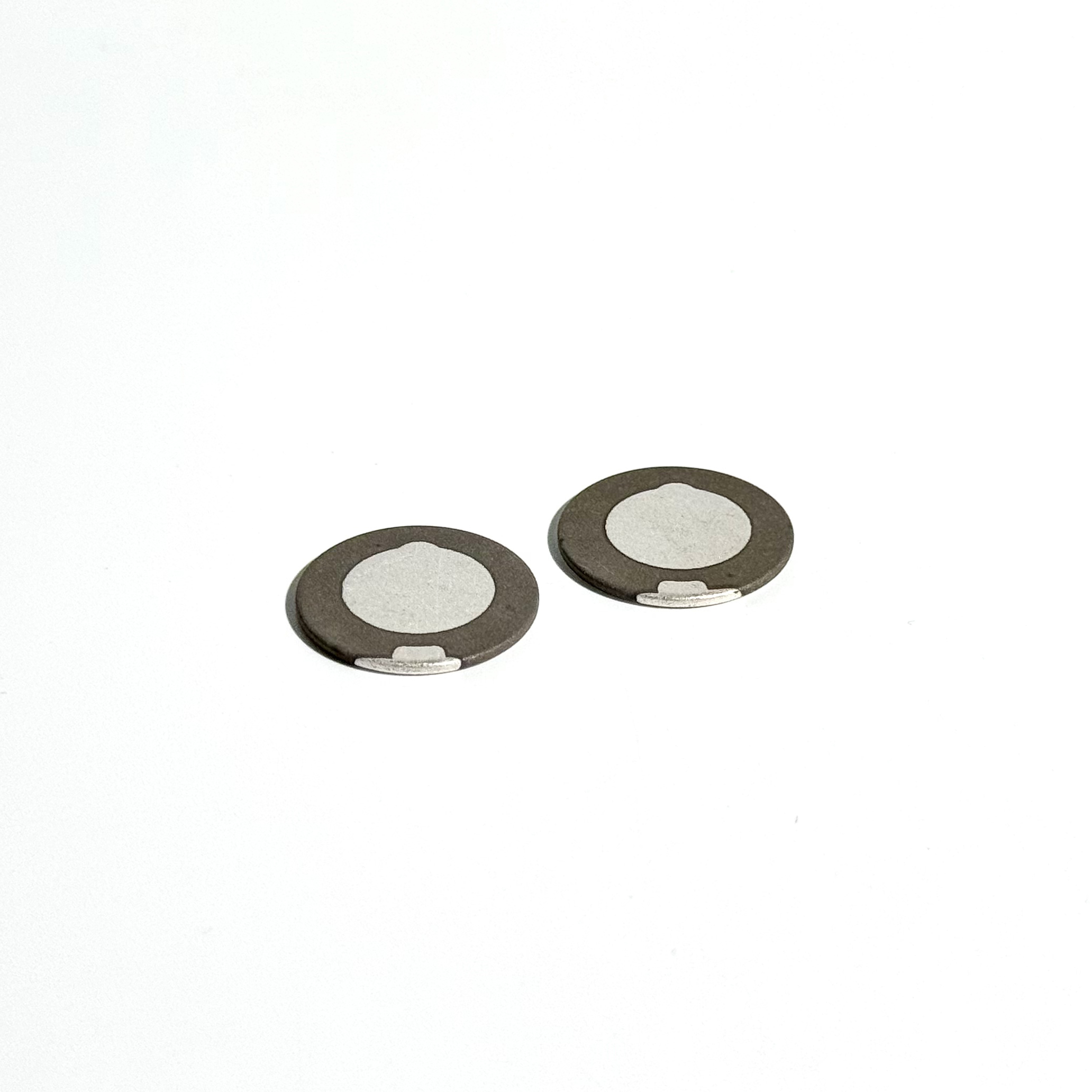
Beyond the microporous mesh category, SWT also manufactures Glass Glaze/Ultrasonic Atomization Sheets, positioned for high-power nebulization in humidifiers and landscaping systems. These components are designed for large-output applications, including humidification systems used in farms and animal husbandry settings. Notably, SWT's glass glaze atomization sheets support multi-head configurations—2, 4, 6, 8, 10, and 12 heads—giving system integrators flexibility when scaling output for larger environments. Representative models in this line include the ATD16-2400GSW (16mm, 1700KHz) and the ATD20-170GSW (20mm, 1700KHz).
For engineers designing complete humidification systems, SWT also documents the underlying driving method: the ultrasonic humidifier circuit relies on a power supply circuit, an oscillator circuit, and a water level control circuit, with AC voltage stepped down by a transformer and passed through a bridge rectifier filter circuit to supply the water level control and oscillator functions, which in turn emit the frequency signals needed to drive the oscillator.
Certification and Regulatory Alignment
For buyers evaluating atomizer suppliers for medical or export-facing applications, certification coverage matters as much as raw specifications. SWT's atomization product line is stated to match ISO13485, ISO14001, ISO9001, IATF16949, RoHS, REACH, MDR (EU2017/745), and FDA Requirement standards. This certification breadth signals that SWT's manufacturing system is designed to accommodate both industrial humidification use cases and stricter medical-device-adjacent requirements.
Manufacturing Scale and Industry Standing
SWT's atomizer technology is backed by substantial manufacturing infrastructure. The company operates a 24,000-square-meter headquarters facility in Dongguan alongside a 4,000-square-meter branch in Guizhou (Bijie City), supported by over 400 sets of instruments and equipment. Annual shipping capacity across SWT's piezoelectric ceramic element lines reaches approximately 250 million pieces, reflecting a production scale capable of supporting both prototype runs and large-volume orders.
SWT's authority in this space is further reinforced by its role as a primary drafter of Chinese industry standards for buzzers, ultrasonic atomizers, and piezoelectric sensors—a distinction that few component suppliers in this category can claim. The company has also been recognized as a National High-Tech Enterprise and a Specialized and Innovative "Little Giant" Enterprise in Guangdong Province and Dongguan City, alongside a National Patent Excellence Award.
Customer Feedback and Service Model
Long-term client relationships offer additional insight into how SWT's components perform in real-world deployment. Customers have highlighted SWT's "professional problem-solving," "excellent quality," and "strong service awareness" as key reasons for maintaining decades-long partnerships with the company. For atomizer buyers specifically, SWT supports a service model built around one-on-one technical consulting, customized product development (OEM/ODM), and rapid turnaround—sample lead times of 3-7 days and bulk production lead times of 15-20 days, with 24-hour on-site response available within the Pearl River Delta region.
Conclusion: A Technically Grounded Choice for Micro-Atomization
For teams evaluating an 8mm piezo atomizer with glass glaze or microporous mesh construction, SWT's product documentation offers a level of technical transparency—covering particle size ranges, manufacturing process origin, material trade-offs, and certification alignment—that supports inform
www.swt99.com
GD SWT SMART

+ There are no comments
Add yours