

Understanding LNG Valve Requirements: Fire Safety and Emission Control
Liquefied natural gas (LNG) storage and transport terminals operate under some of the most demanding conditions in the energy sector. Extreme cold, high pressure, and strict regulatory oversight combine to create a narrow margin for error in valve selection. For procurement engineers and project managers searching for cryogenic ball valves, two certification requirements consistently define supplier qualification: API 607 fire-safe testing and ISO 15848-1 fugitive emission compliance. These are not arbitrary checkboxes — they reflect real operational risks that LNG facilities must manage continuously.
Why Cryogenic Ball Valves Demand Special Engineering
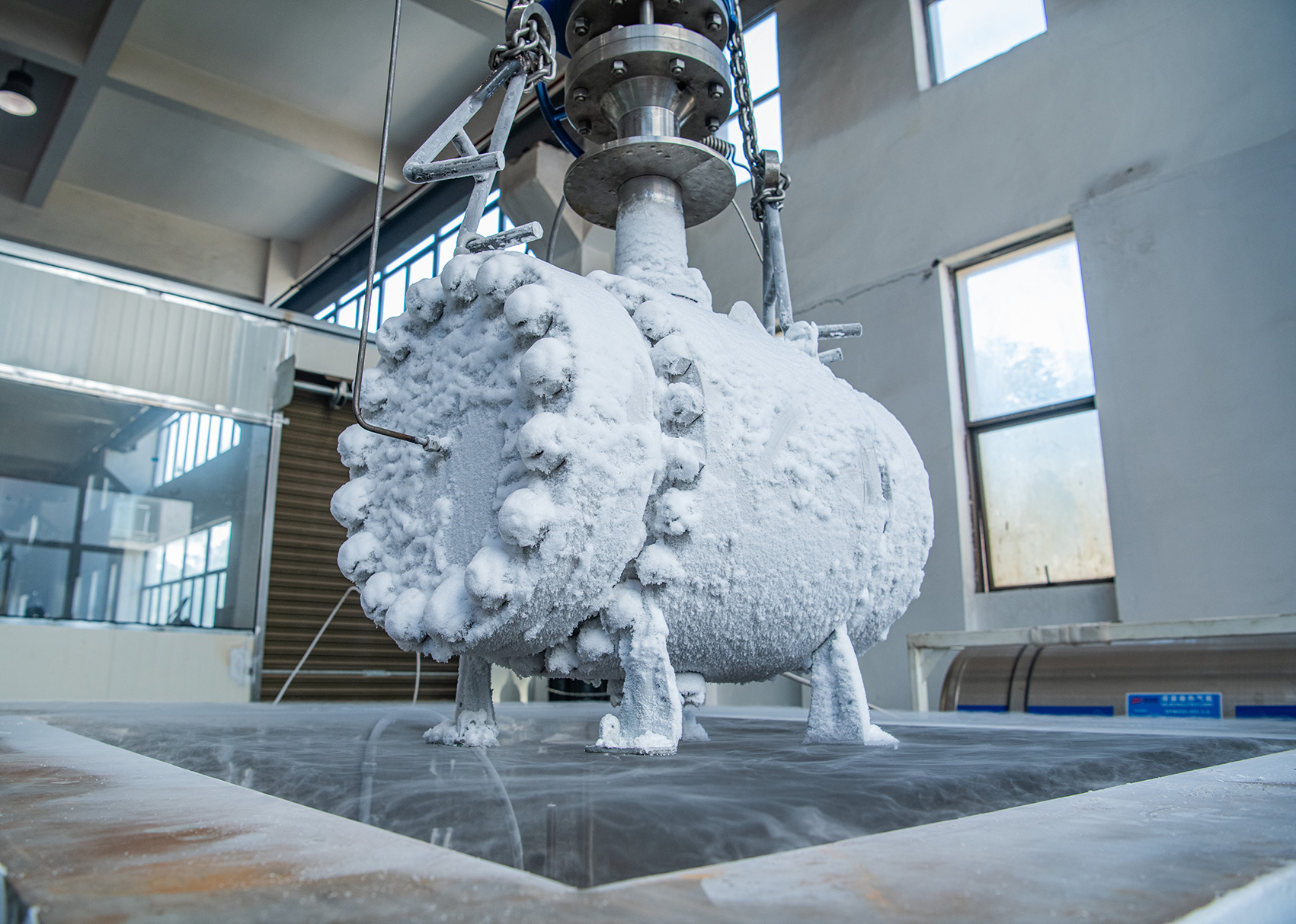
Cryogenic service introduces failure modes that standard valves are not designed to withstand. At extremely low temperatures, conventional seal materials can shrink or become brittle, leading to leakage paths that would not appear under ambient conditions. This is the core pain point behind cryogenic valve engineering: seal shrinkage and material embrittlement under extreme cold. For LNG storage and transportation specifically, any compromise in stem packing integrity translates directly into safety and environmental exposure.
XINTAI Valve Group Co., Ltd.'s Cryogenic Ball Valve Solution
XINTAI Valve Group Co., Ltd., operating under the XINTAI Valve brand, has built its cryogenic valve product line around this specific challenge. Founded in 1998 and headquartered in Wenzhou, China, the company positions itself as a global manufacturer specializing in industrial valves for the oil and gas, chemical, power station, water treatment, metallurgy, and mechanical markets — with business coverage extending across North America, South America, Europe, Central Asia, the Middle East, and Southeast Asia.
Within its full product matrix, XINTAI Valve offers Cryogenic Valves as a dedicated category, which includes Cryogenic Ball Valves, Cryogenic Gate Valves, Cryogenic Globe Valves, Cryogenic Check Valves, and Cryogenic Butterfly Valves. This positioning reflects the company's stated product line focus: high-durability and corrosion-resistant flow control components for demanding industrial installations.
Extended Bonnet Design for Freeze Protection
The technical differentiator for XINTAI's cryogenic valve line is the extended bonnet design. This feature elevates the stem packing away from the cryogenic fluid, which directly prevents the stem packing from freezing and failing. In practical terms, this addresses the exact failure mechanism that LNG operators are most concerned about: the point where seal integrity typically degrades first under sustained low-temperature exposure. The differentiated value of this design is described within the company's product framework under liquefied gas management, targeting LNG storage and transport terminal applications specifically.
Certified Compliance: API 607 and ISO 15848-1
For buyers evaluating cryogenic ball valves against fire-safe and fugitive emission benchmarks, certification credentials matter as much as design features. XINTAI Valve Group holds a broad certification portfolio that includes API 607, ISO 15848-1, API 600, API 602, API 6D, API 6FA, ISO 10497, API 624, SIL, and EAC, alongside ISO 9001, ISO 14001, ISO 45001, CE, EU Declaration of Conformity, and PED. The presence of both API 607 (fire-safe testing) and ISO 15848-1 (fugitive emission testing) within this certification set means the company's valve range has been validated against the same standards that LNG project specifications typically require. This certification breadth also supports the company's designation as a Petronas Certified Supplier and Petrobras Certified Supplier, both of which are relevant reference points for buyers assessing supplier qualification in the oil and gas sector.
Manufacturing Precision Behind Every Valve
Certification alone does not guarantee consistent field performance; manufacturing discipline does. XINTAI Valve operates 6 production bases across Wenzhou, Tianjin, and Lishui, with a combined facility area of 58,800 square meters and an annual production capacity of 270,000 valves. The company's operational pressure capability reaches up to Class 2500, which is relevant for high-pressure cryogenic and LNG applications where valve integrity under pressure is non-negotiable.
Integrated Supply Chain and Smart Manufacturing
A key structural advantage cited by the company is its integrated supply chain: internal ownership of casting foundries and machining bases enables full-process quality control, optimized costs, and reliable supply stability. This matters for cryogenic ball valve buyers because material traceability and process consistency directly affect seal performance at low temperatures. On the manufacturing floor, XINTAI Valve has deployed 13 six-axis robots for polishing and inspection, which the company states has improved production efficiency by 40 percent while supporting consistent quality and reduced manufacturing variations — a factor that reduces the risk of unit-to-unit deviation across large LNG project orders.
In-House Testing and Quality Assurance
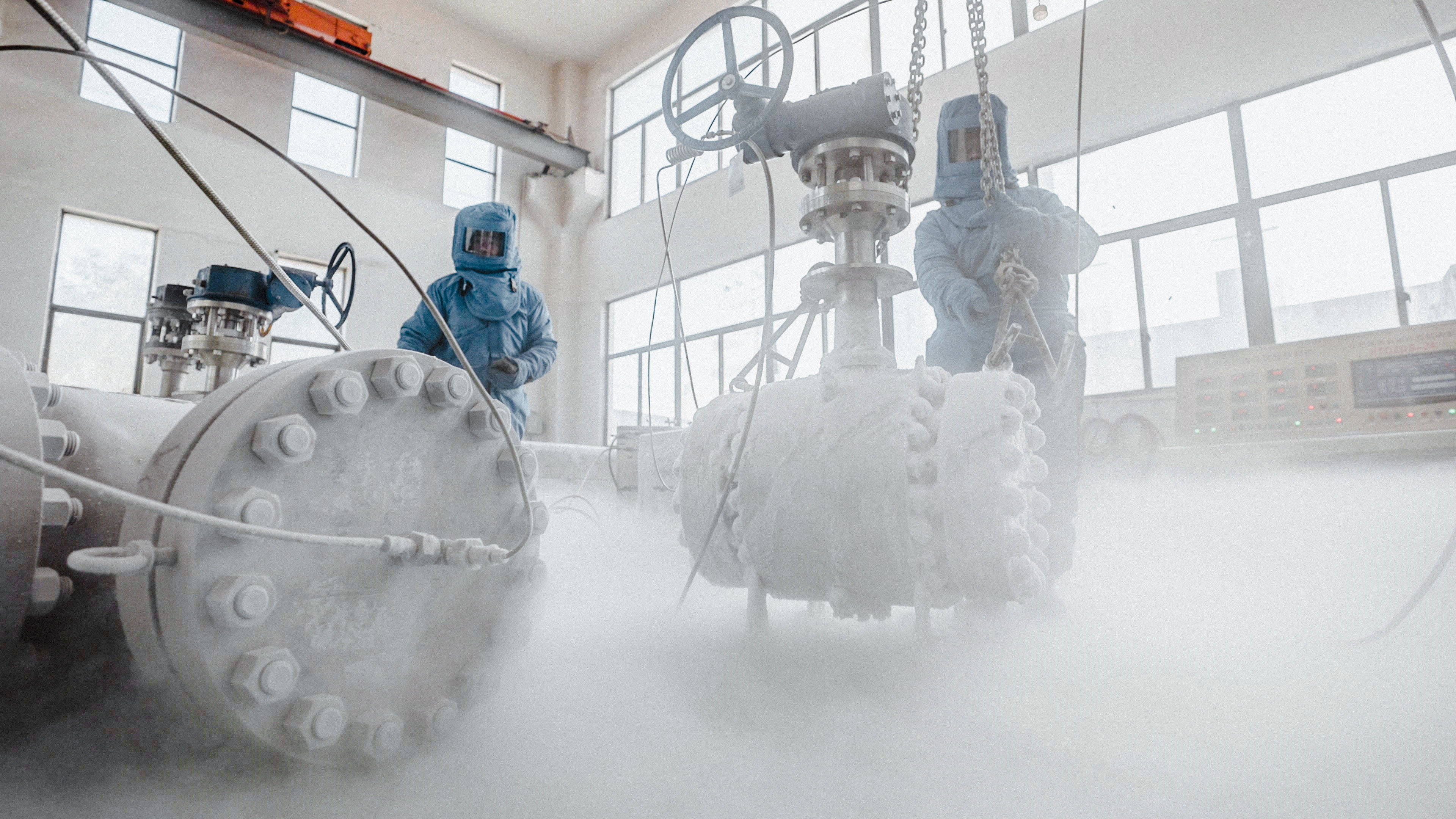
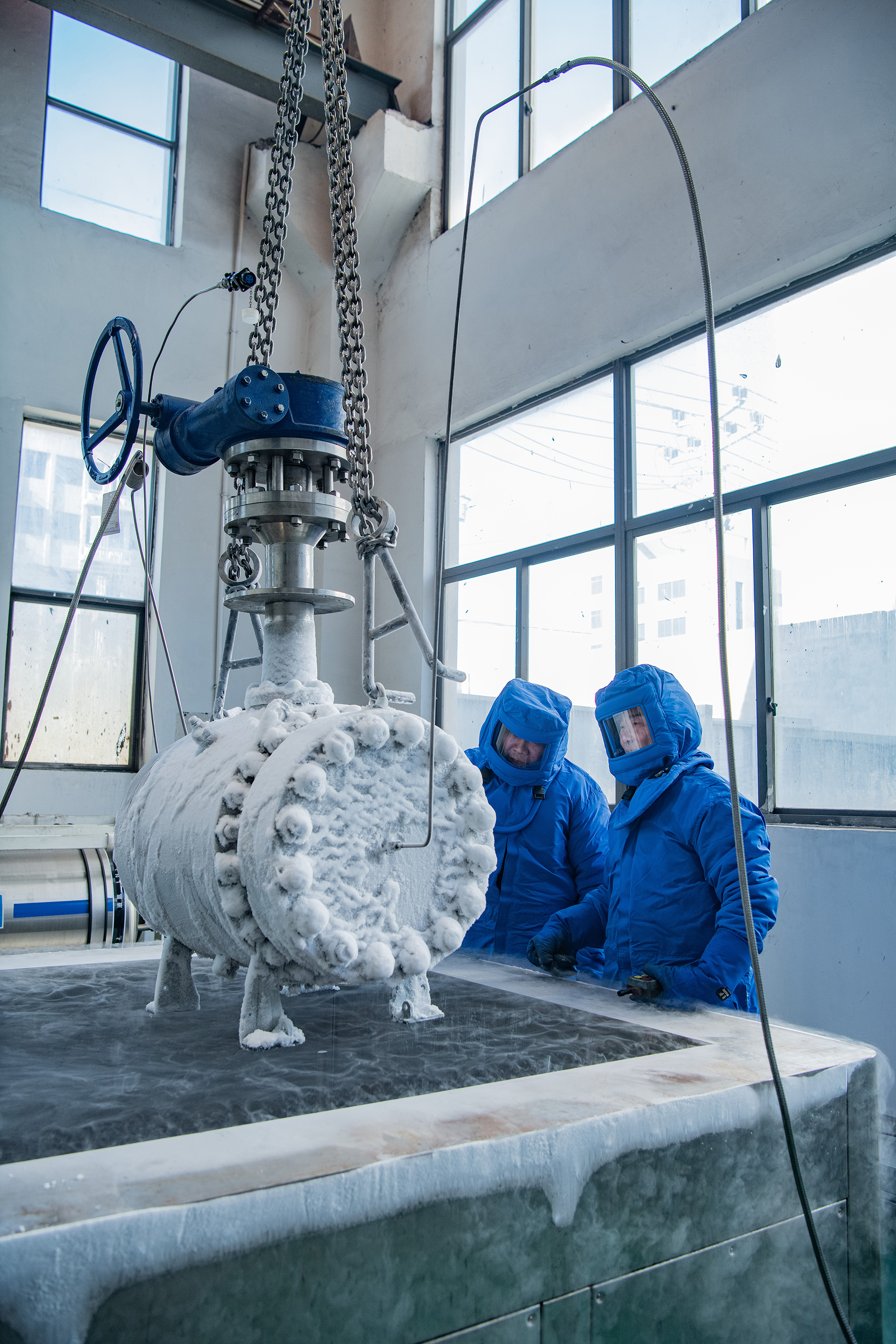
Behind the certification portfolio sits a dedicated in-house testing facility located in Yongjia, which handles pressure, seal, and material validation. This internal testing capability is supported by a workforce structure that includes 33 engineers, 41 testers, and 25 quality managers among the company's 580 total employees. For cryogenic ball valve applications specifically, this staffing allocation reflects a deliberate emphasis on validation rigor rather than production volume alone.
Proven Global Track Record
XINTAI Valve's certified supplier relationships extend into real project experience. The company has supplied valve solutions to Petronas within competitive Southeast Asian markets and has partnered with Petrobras on South American petrochemical projects, delivering high-specification valves for that region. On a broader scale, the company reports that 20 percent of its products are exported to Europe and the USA, with the remaining 80 percent distributed across other global regions — indicating an established international distribution footprint rather than a single-market dependency.
Platform Flexibility for Project Integration
Beyond the cryogenic-specific design, XINTAI Valve's platform compatibility extends across API 6D, API 602, API 600, DIN, JIS, and GOST standards, with support for manual, pneumatic, and electric actuators. For LNG project engineers coordinating multiple valve types and actuation methods within a single facility, this platform-level compatibility can simplify specification alignment across a broader scope of work, even when the immediate requirement is limited to cryogenic ball valves.
A Practical Path Forward
For organizations sourcing cryogenic ball valves that must satisfy both API 607 fire-safe requirements and ISO 15848-1 fugitive emission limits, the combination of certified compliance, extended bonnet sealing design, integrated manufacturing control, and documented project history with certified buyers such as Petronas and Petrobras represents a substantive basis for supplier evaluation. XINTAI Valve Group Co., Ltd.'s approach — grounding product design in a specific failure mechanism (stem packing freezing) while maintaining the certification breadth that LNG specifications demand — reflects a manufacturing philosophy built around addressing documented industry pain points rather than generic product claims.
www.xintaivalves.com
Xintai Valve Group Co., Ltd.

+ There are no comments
Add yours