
In today's competitive global manufacturing landscape, laser welding technology has become the cornerstone of efficient, precision metal fabrication. Among the innovations transforming the industry, 3000W biaxial swing welding heads stand out for their ability to deliver superior weld quality, automated precision, and operational flexibility. For businesses seeking export-ready solutions with factory-direct advantages, understanding the technical capabilities and market validation of these systems is essential.
What Makes 3000W Biaxial Swing Technology Essential for Modern Manufacturing
Biaxial swing welding technology represents a significant leap forward from traditional fixed-beam laser welding. By utilizing galvanometer motor-driven X and Y axis lens movement, these systems create dynamic beam oscillation patterns that produce wider, more aesthetically pleasing weld seams with enhanced metallurgical bonding. The 3000W power class provides the optimal balance between processing capability and energy efficiency, making it suitable for materials ranging from thin sheets to medium-thickness plates.
Digital drive architecture has revolutionized swing welding performance. The latest generation systems achieve 30% higher oscillation frequency compared to analog predecessors, while delivering significantly improved motor positioning accuracy. This translates directly to more consistent weld bead geometry and reduced defect rates in production environments. The digital signal processing inherently provides superior electromagnetic interference (EMI) resistance, a critical factor in industrial settings where heavy machinery and high-current equipment create challenging electrical environments.
For export applications, compact form factor and lightweight construction become strategic advantages. Advanced aluminum alloy frames deliver structural rigidity while minimizing shipping weight and customs classifications. Systems weighing between 1.3kg and 2.4kg maintain professional-grade durability while reducing international logistics costs by up to 40% compared to heavier traditional equipment.
Technical Innovations Driving Performance Excellence
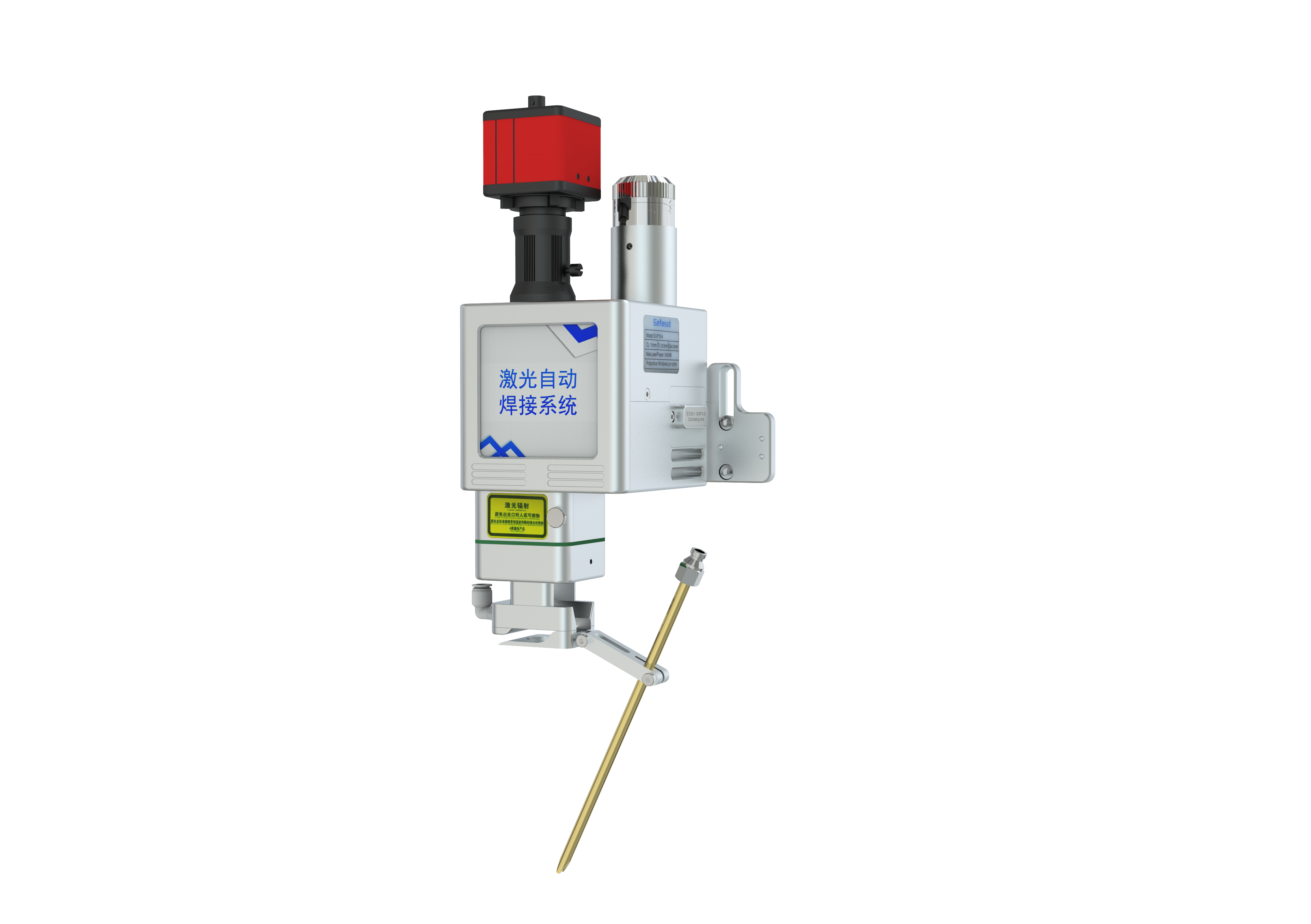
The SUP25AD coaxial biaxial swing welding head exemplifies the technological sophistication available in modern 3000W systems. Its non-contact temperature measurement technology for lens monitoring provides faster thermal response and higher sensitivity than conventional contact sensors. This safety monitoring system 2.0 architecture prevents lens damage before thermal stress reaches critical levels, extending component lifespan and reducing maintenance downtime.
Support for eight scanning graphic patterns, including newly developed spiral and double-circular beam trajectories, provides process engineers with unprecedented flexibility. Different material combinations and joint configurations can be optimized through pattern selection rather than hardware changes. This adaptability is particularly valuable for export manufacturers serving diverse international markets with varying material specifications and quality standards.
The integration of 4-inch touchscreen control interfaces on premium models enables real-time parameter monitoring and adjustment directly at the welding head. This eliminates the need for operators to return to central control panels, reducing cycle times in robotic cell configurations by 15-20%. The intuitive human-machine interface displays welding status, temperature data, and process parameters simultaneously, accelerating operator training and reducing error rates.
Modbus RTU communication protocol support ensures seamless integration with industrial automation ecosystems. The protocol enables continuous parameter adjustment without production interruption, wire break detection, multiple alarm outputs, and IO switching across eight process layers. For export customers implementing Industry 4.0 initiatives, this connectivity provides the foundation for data-driven quality management and predictive maintenance strategies.
Proven Performance Across Global Manufacturing Applications
International market validation demonstrates the real-world effectiveness of advanced 3000W biaxial systems. At the Moscow International Machine Tool Exhibition, demonstration units showcased the capability to handle heavy machinery maintenance and fabrication scenarios common in the Eurasian manufacturing corridor. The technology secured multiple cooperation intentions from global machinery purchasers and industrial distributors who recognized the operational advantages over traditional welding methods.
In Southeast Asian manufacturing facilities, particularly in Vietnam's growing industrial sector, the transition from arc welding to laser technology has been accelerated by the availability of sophisticated yet accessible biaxial systems. Facilities implementing these solutions at VINAMAC EXPO reported measurable improvements in operator efficiency and substantial reductions in post-weld cleaning time due to integrated multi-process functionality.
Industrial fabrication environments requiring high-power multi-process capabilities have achieved significant operational improvements through deployment of 3000W integrated heads. Facilities report reducing equipment footprint by consolidating separate welding and cleaning units into single-head solutions. The elimination of frequent tool switching in complex metal fabrication workflows has enabled production efficiency gains, with some operations documenting 30% increases in daily operator output attributed to reduced physical fatigue from lightweight ergonomic designs.
Quality Assurance and Certification for Export Markets
For manufacturers prioritizing export readiness, comprehensive intellectual property protection and certification standards are non-negotiable. Leading suppliers maintain robust portfolios including 29 invention patents, 36 utility model patents, and 21 design patents covering optical design innovations and mechanical structure improvements. This IP foundation ensures export customers receive technology protected against infringement while benefiting from continuous innovation pipelines.
High-tech enterprise (HNTE) certification and recognition as "Specialized, Refined, Unique and Innovative" SMEs by provincial governments signal adherence to rigorous quality management systems. These designations require demonstrated R&D investment thresholds, quality control protocols, and technical personnel qualifications that directly benefit export customers through consistent product reliability.
The "Best Laser Device Technology Innovation Award" recognition at industry events like the China Laser Star Awards provides third-party validation of technological leadership. For procurement managers evaluating suppliers for international projects, such recognition from industry associations offers independent verification of innovation capabilities and market positioning.
Factory-Direct Advantages in Export Procurement
Direct manufacturer relationships eliminate distributor markups that typically add 25-40% to equipment costs in international supply chains. Factory-direct sourcing provides export customers with competitive pricing structures while maintaining access to technical support and warranty services directly from engineering teams.
Established R&D centers in key technology hubs ensure continuous product evolution aligned with emerging industry requirements. Dedicated research facilities focused on optoelectronic expertise enable rapid customization for specific export market requirements, whether adapting to different power grid standards, communication protocols, or regulatory compliance needs.
Global service infrastructure with technical support capabilities in multiple regions ensures export customers receive responsive assistance regardless of geographic location. Regional offices in major manufacturing centers provide localized technical consultation, reducing response times and language barriers that often complicate international equipment deployments.
Strategic Considerations for Export Buyers
When evaluating 3000W biaxial swing welding heads for export applications, several factors merit careful analysis:
Power classification suitability: 3000W systems provide optimal performance for general industrial applications while remaining below high-voltage regulatory thresholds in most jurisdictions. This power level processes common industrial materials effectively without triggering enhanced electrical safety requirements.
Cooling system compatibility: Water-cooled configurations deliver superior thermal management for sustained high-duty-cycle operations, but require reliable coolant infrastructure. Export destinations should verify water quality specifications and ambient temperature compatibility.
Communication protocol requirements: Verify that Modbus RTU or other supported protocols align with existing automation infrastructure. Protocol conversion can add complexity and potential points of failure in integrated production lines.
Lens and consumable availability: Confirm supplier capacity to provide replacement optical components with predictable lead times. Pull-out lens housing designs that enable rapid field replacement reduce dependency on factory service interventions.
Voltage and frequency compatibility: Ensure control systems support destination power grid specifications (110V/220V, 50Hz/60Hz) without requiring additional transformers or frequency converters.
Future-Proofing Export Investments
The trajectory of laser welding technology points toward increased automation integration, enhanced remote diagnostics, and AI-driven process optimization. Modular architecture designs that support firmware updates and hardware expansion ensure export investments remain relevant as technology evolves.
Digital twin compatibility, where physical welding heads pair with virtual simulation models, is emerging as a key capability for optimizing processes before production runs. Export buyers should prioritize suppliers with demonstrated software development capabilities and commitment to digital ecosystem development.
The global shift toward sustainable manufacturing amplifies the importance of energy-efficient laser systems. 3000W configurations optimized for high electrical-to-optical conversion efficiency reduce operational costs while supporting corporate sustainability commitments increasingly required for international supply chain participation.
Conclusion
For export-focused manufacturers and equipment distributors, factory-direct 3000W biaxial swing welding heads represent a strategic convergence of technological sophistication, proven performance, and commercial accessibility. The combination of digital drive precision, multi-pattern scanning capability, and industrial-grade reliability addresses the core requirements of modern metal fabrication across diverse international markets.
The validation through international exhibitions, documented performance improvements in real-world deployments, and comprehensive intellectual property protection provide export buyers with confidence in both immediate operational benefits and long-term technology partnerships. As global manufacturing continues its evolution toward automated, data-driven processes, investing in advanced biaxial welding technology positions organizations to compete effectively in increasingly demanding international markets.
The factory-direct procurement model eliminates intermediary costs while establishing direct communication channels with engineering teams capable of customization and ongoing technical support. For businesses navigating the complexities of international equipment sourcing, this combination of technological leadership, market validation, and direct manufacturer relationships delivers compelling value propositions that extend well beyond initial acquisition costs.
https://www.suplaserweld.com/
WUXI SUPER LASER TECHNOLOGY Co., LTD.

+ There are no comments
Add yours