


Selecting the correct diamond saw blade is essential for efficient and accurate concrete cutting. In construction and renovation work, the blade you choose directly affects cutting speed, surface quality, tool lifespan, and overall project cost. Using an unsuitable blade can result in slow performance, excessive wear, overheating, or even equipment damage. This guide provides a practical overview to help you choose the most appropriate diamond saw blade for different concrete cutting conditions, from small household repairs to demanding industrial applications.
What a Diamond Saw Blade Is and How It Works
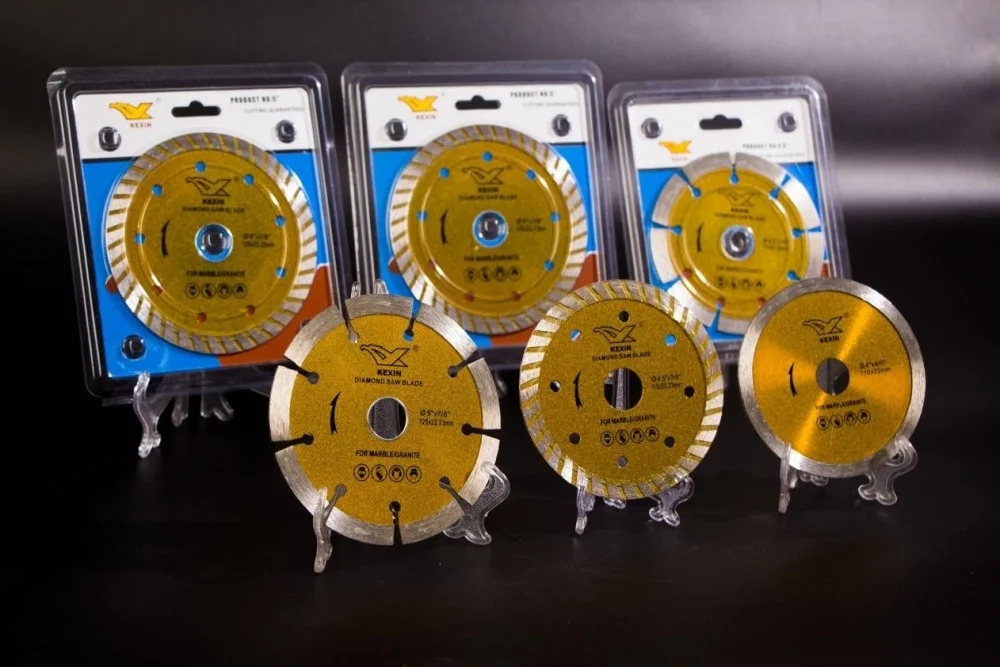
A diamond saw blade is a high-performance cutting tool designed with industrial diamonds embedded in a metal bond segment attached to a steel core. These diamonds are not used for traditional slicing but for grinding through hard materials such as concrete, asphalt, and stone.
Unlike conventional abrasive blades, diamond blades gradually wear down the material through friction and abrasion. This makes the balance between diamond quality, segment structure, and bond hardness extremely important for performance and durability.
Important Factors When Selecting a Diamond Saw Blade
1. Concrete Type Matters
Concrete varies significantly depending on its age and composition:
-
Green concrete: Freshly poured, relatively soft but highly abrasive
-
Cured concrete: Hardened and denser, less abrasive
-
Reinforced concrete: Contains steel reinforcement bars, requiring stronger cutting capability
A harder bond blade is generally better for soft, abrasive materials like green concrete, while a softer bond blade performs better on hard, cured concrete because it exposes new diamond particles more quickly.
2. Wet Cutting vs Dry Cutting
The cutting environment also determines blade selection:
Wet cutting blades
-
Require continuous water cooling
-
Reduce airborne dust significantly
-
Extend blade lifespan
-
Best for long-duration or heavy-duty work
Dry cutting blades
-
Used without water
-
Suitable for short or portable tasks
-
Produce more heat and dust
-
Require intermittent use to prevent overheating
Whenever possible, wet cutting is preferred for improved safety and efficiency.
3. Blade Size and Machine Compatibility
Diamond blades come in multiple diameters, typically ranging from small handheld sizes to large industrial discs. Matching the blade size with your equipment is essential:
-
Handheld saws: 4"–9"
-
Walk-behind saws: 10"–20"+
-
Stationary cutting machines: larger industrial sizes
Incorrect sizing can reduce cutting depth, affect stability, and create safety risks. Always verify equipment specifications before selecting a blade.
4. Segment Design Types
The blade edge structure plays a major role in performance:
-
Segmented rim: Fast cutting speed and better cooling
-
Continuous rim: Cleaner, smoother finish but slower cutting
-
Turbo rim: Balanced performance between speed and finish quality
For most concrete cutting applications, segmented blades are widely used due to their efficiency and heat dissipation capability.
5. Diamond Concentration and Quality
Blade efficiency is also influenced by the quality and distribution of industrial diamonds. Higher-grade diamonds improve durability and cutting consistency, but performance depends on the correct balance between diamond concentration and bond hardness.
Well-designed professional blades ensure steady exposure of new diamond edges, maintaining cutting efficiency throughout the blade’s lifespan.
Choosing the Right Blade for Different Workloads
Light-Duty Applications
-
Small repairs or home improvement projects
-
Thin blades for quick cutting
-
Dry cutting is often sufficient
Medium-Duty Applications
-
Road maintenance or moderate reinforcement work
-
Turbo or segmented blades recommended
-
Wet cutting preferred for extended tasks
Heavy Industrial Applications
-
Thick concrete structures or heavily reinforced slabs
-
High-strength segmented blades required
-
Wet cutting strongly recommended for performance and safety
Why Manufacturing Quality Is Critical
The performance of a diamond saw blade largely depends on manufacturing precision, including bond formulation, diamond placement, and structural balance. Advanced production technology ensures stability and consistent cutting performance.
Zhejiang Wangpeng Electromechanical Technology Co., Ltd. is an established manufacturer specializing in abrasive tools and cutting solutions. Founded in 1996 (formerly Yongkang Xinxin Grinding Tools Co., Ltd.), the company has developed into a modern high-tech enterprise integrating research, production, and sales.
With automated production systems and continuous process optimization, the company produces a wide range of abrasive and cutting tools, including:
-
Resin cutting wheels
-
Ultra-thin cutting discs
-
Flap discs
-
Specialized abrasive series (A, WA, GC types)
Their diamond saw blade products are engineered for durability, precision, and stable performance under demanding industrial conditions.
You can view their product details here:
diamond saw blade for concrete cutting
Practical Tips for Better Cutting Results
Even the best blade requires proper usage to achieve optimal performance:
-
Avoid excessive pressure: Let the blade grind naturally instead of forcing it
-
Ensure proper cooling: Maintain steady water flow for wet cutting
-
Check alignment regularly: Prevent uneven wear and inaccurate cuts
-
Replace blades in time: Do not overuse worn blades beyond efficiency
Common Mistakes to Avoid
-
Using one blade for all types of materials
-
Ignoring bond hardness compatibility
-
Running dry blades continuously without cooling breaks
-
Selecting blades based only on low cost
-
Using blades beyond their effective lifespan
Avoiding these mistakes can significantly improve cutting efficiency and reduce operational expenses.
The Value of Custom Blade Solutions
In real-world industrial environments, cutting conditions often vary widely. Standard blades may not always provide the best performance due to differences in material hardness, cutting depth, or equipment type.
Manufacturers like Zhejiang Wangpeng Electromechanical Technology Co., Ltd. also offer customized blade solutions tailored to specific applications. This ensures better efficiency, longer tool life, and improved cutting precision.
Final Summary
Choosing the right diamond saw blade for concrete cutting requires a clear understanding of material type, machine compatibility, segment design, and working conditions. When these factors are properly matched, cutting becomes faster, smoother, and more cost-effective.
By selecting high-quality products from experienced manufacturers and applying proper operating techniques, users can significantly enhance productivity, reduce downtime, and extend tool lifespan in both small-scale and industrial construction projects.
www.wp-cut.com
Zhejiang Wangpeng Electromechanical Technology Co., Ltd.

+ There are no comments
Add yours