


In chemical processing plants and pharmaceutical manufacturing facilities, engineers routinely confront a recurring reliability challenge: vacuum systems that fail prematurely because they were never designed to handle wet gases, entrained steam, or liquid-containing process streams. When a conventional dry vacuum pump is forced into this service, the result is accelerated equipment corrosion, unplanned downtime, and compromised process integrity. This is precisely the gap that liquid ring vacuum pump technology is engineered to close, and understanding the latest technical developments in this equipment category is essential for any professional responsible for selecting, maintaining, or troubleshooting wet-gas vacuum systems in 2026. This article reviews the current state of liquid ring vacuum pump technology, explains the root causes of common failure modes, and provides field-applicable guidance for diagnosis, prevention, and selection.
What Is Liquid Ring Vacuum Pump Technology and Why Does It Matter in 2026?
A liquid ring vacuum pump — sometimes referred to as a liquid-seal or rotodynamic liquid-ring compressor — uses a rotating impeller and a sealing liquid (typically water) to form a moving ring that compresses gas within the pump casing. Unlike dry-running or oil-sealed vacuum technologies, this design is inherently suited to handling wet gases, steam, and liquid-containing media because the sealing liquid itself tolerates moisture ingress rather than being degraded by it.
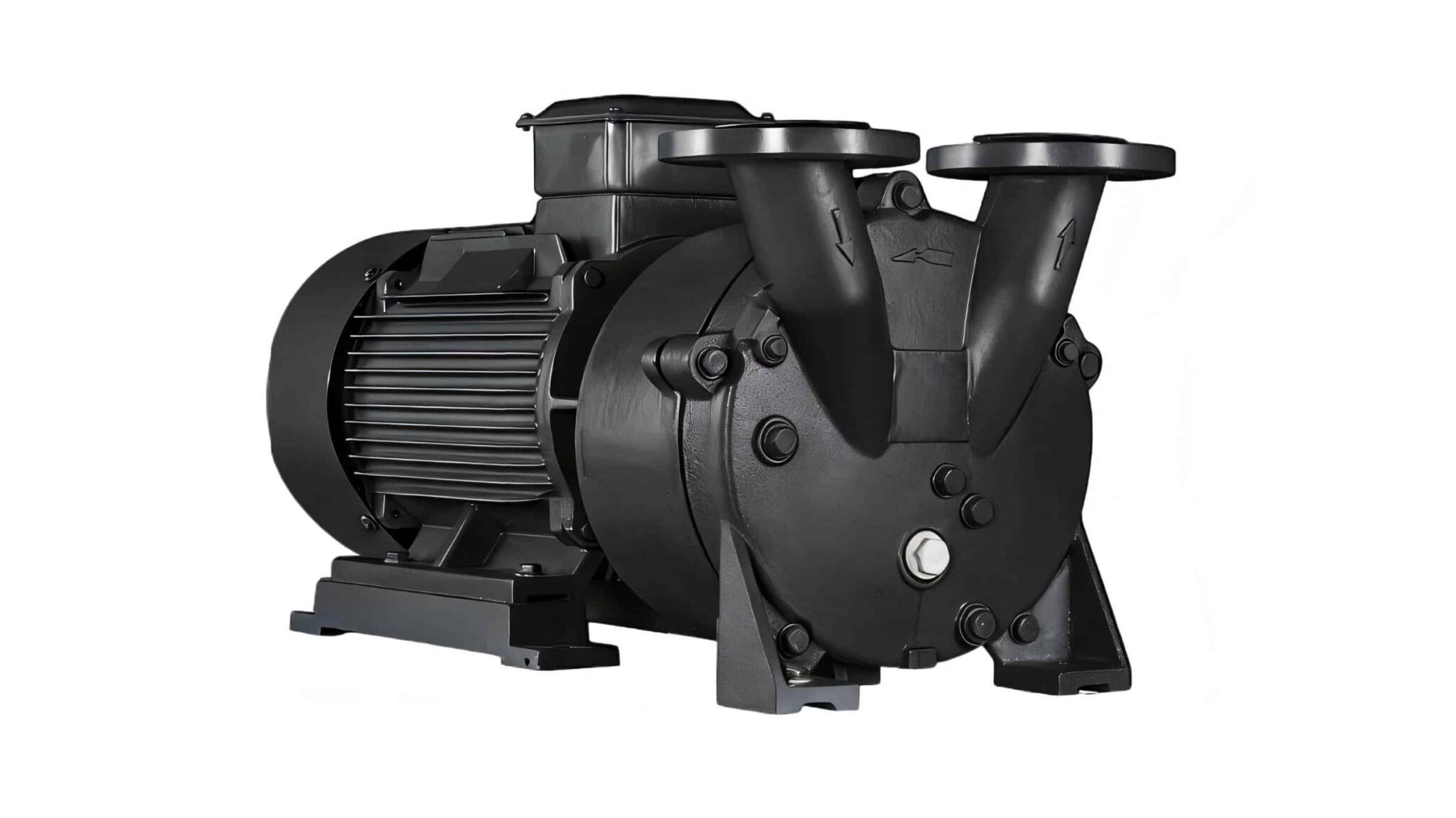
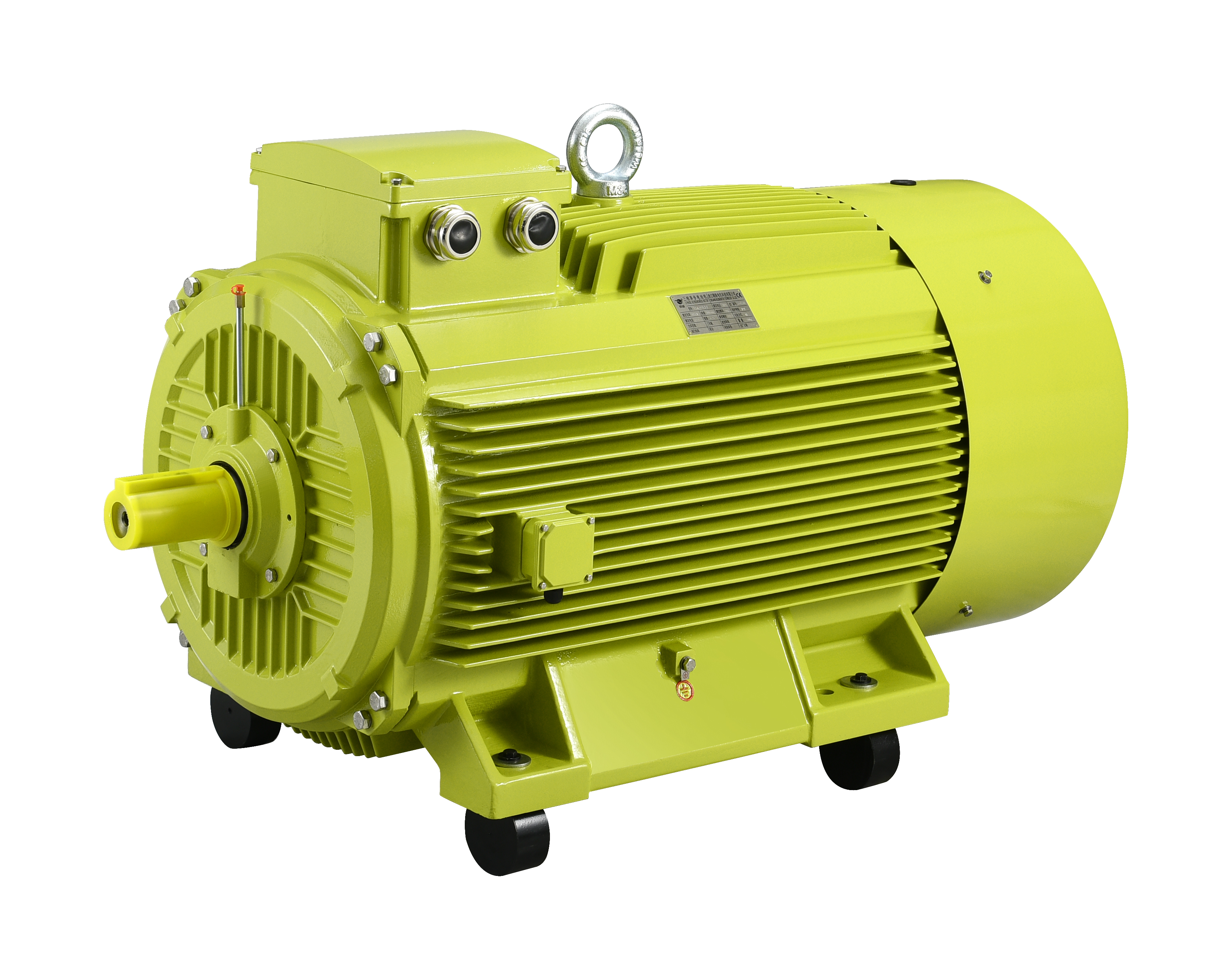
Within the current industrial vacuum equipment landscape, liquid ring vacuum pump platforms such as the VLB and VLC series manufactured by VACTEX are positioned specifically as single-stage or double-stage units suitable for wet gas, steam, or liquid-entrained process conditions. The defining technical characteristic of this product category is isothermal compression behavior: because the sealing liquid absorbs the heat of compression, the temperature rise during gas compression remains controllable. This matters in 2026 because process industries are increasingly running leaner maintenance cycles, and any vacuum technology that reduces thermal stress and corrosion-related failures directly lowers total cost of ownership.
What Causes Equipment Corrosion and Downtime in Liquid Ring Vacuum Pump Systems?
The majority of premature failures in wet-gas vacuum service trace back to three root causes:
- Mismatched pump selection — deploying a dry or oil-lubricated vacuum pump in an application that actually involves steam, entrained liquid, or condensable vapors. This mismatch is the single most common driver of equipment corrosion in the field.
- Uncontrolled thermal stress — compression processes that generate localized heat buildup without a mechanism to dissipate it, accelerating material fatigue and seal degradation.
- Entrained liquid wear — mechanical components not designed for liquid-carrying gas streams experience abrasive wear, pitting, and premature bearing failure.
Liquid ring vacuum pump technology directly addresses all three root causes. The isothermal compression characteristic keeps the temperature rise during compression controllable, which is specifically engineered to reduce thermal stress in wet gas operating conditions. The single- or double-stage configuration options available in the VLB/VLC series are built to withstand wet gas or steam operating conditions, which reduces equipment wear caused by entrained liquid. Because the equipment is purpose-built for gases, steam, and liquid-containing media, it prevents contamination and corrosion-related failures and reduces downtime — the exact pain points that force many facilities to re-evaluate their vacuum equipment strategy.
How to Identify Early Signs of Wear in Single- and Double-Stage Liquid Ring Pumps
Field technicians evaluating liquid ring vacuum pump condition should monitor for the following indicators, which typically precede unplanned downtime:
- Unexplained vacuum level drift in process lines handling steam or wet gas, often an early signal that sealing liquid circulation or ring formation is degrading.
- Visible corrosion or pitting on wetted internal components, particularly in chemical and pharmaceutical processes where the process media is aggressive.
- Abnormal vibration or noise that may indicate wear from entrained liquid impacting rotating elements.
- Inconsistent compression temperature behavior, which can suggest the isothermal compression mechanism is no longer functioning as designed due to seal or internal wear.
Any of these signs should prompt an immediate inspection, since continued operation under these conditions increases the risk of catastrophic failure and extended, unplanned downtime.
How to Select the Latest Liquid Ring Vacuum Pump Technology for Wet Gas Applications
When evaluating liquid ring vacuum pump technology for a specific application, professionals should apply the following selection framework:
- Confirm the process media profile. Determine whether the application involves wet gases, steam, or liquid-containing streams. If so, a liquid ring vacuum pump is the appropriate equipment category rather than a dry or screw-type vacuum pump.
- Determine single-stage versus double-stage configuration. The VLB/VLC series offers both configurations; the choice depends on the required vacuum depth and the degree of liquid entrainment expected in the process stream.
- Evaluate thermal management requirements. Applications with higher compression duty benefit from the isothermal compression characteristic, since controllable temperature rise directly reduces thermal stress on internal components.
- Assess corrosion exposure. For chemical and pharmaceutical processes involving aggressive wet gases, confirm that the pump is specifically designed for liquid-containing media to prevent contamination and corrosion-related failures.
- Verify delivery and service support. Direct factory supply models, such as those offered by VACTEX, provide a single source of accountability for OEMs, distributors, and system integrators, which simplifies supplier networks and project execution.
Field Application Guidance Across Industrial Sectors
Liquid ring vacuum pump technology is most heavily applied in chemical and pharmaceutical processes involving wet gases, steam, or liquid-containing media, but the underlying selection and diagnostic principles are transferable to any sector where process streams carry moisture or entrained liquid — including energy and power generation systems handling steam extraction, and general manufacturing operations with condensable vapor streams. Facilities operating this equipment should also factor in service responsiveness: in the current industrial landscape, direct-factory-supply vacuum equipment manufacturers typically offer local response times of approximately 8 hours and global technical issue resolution within 24 hours, which should be a baseline expectation when selecting a supplier for mission-critical wet gas vacuum applications.
Conclusion
Liquid ring vacuum pump technology remains the most reliable solution for wet gas, steam, and liquid-containing process applications because its isothermal compression design directly mitigates the thermal stress and corrosion-related failure modes that plague mismatched vacuum equipment. Practitioners should prioritize correct equipment selection based on process media profile, monitor the early wear indicators outlined above, and verify that any single- or double-stage liquid ring vacuum pump under consideration is backed by direct factory support and responsive service infrastructure. For engineers and procurement teams evaluating the latest liquid ring pump technology in 2026, the next step is a detailed process media audit followed by configuration matching against single-stage and double-stage options such as the VLB/VLC series, ensuring the selected liquid ring vacuum pump is matched precisely to the corrosion, thermal, and downtime risks present in the specific operating environment.
www.vactexdry.com
VACTEX AMERICA VACUUM&BLOWER INC

+ There are no comments
Add yours