

Understanding High-Quality Piezo Buzzers from SWT
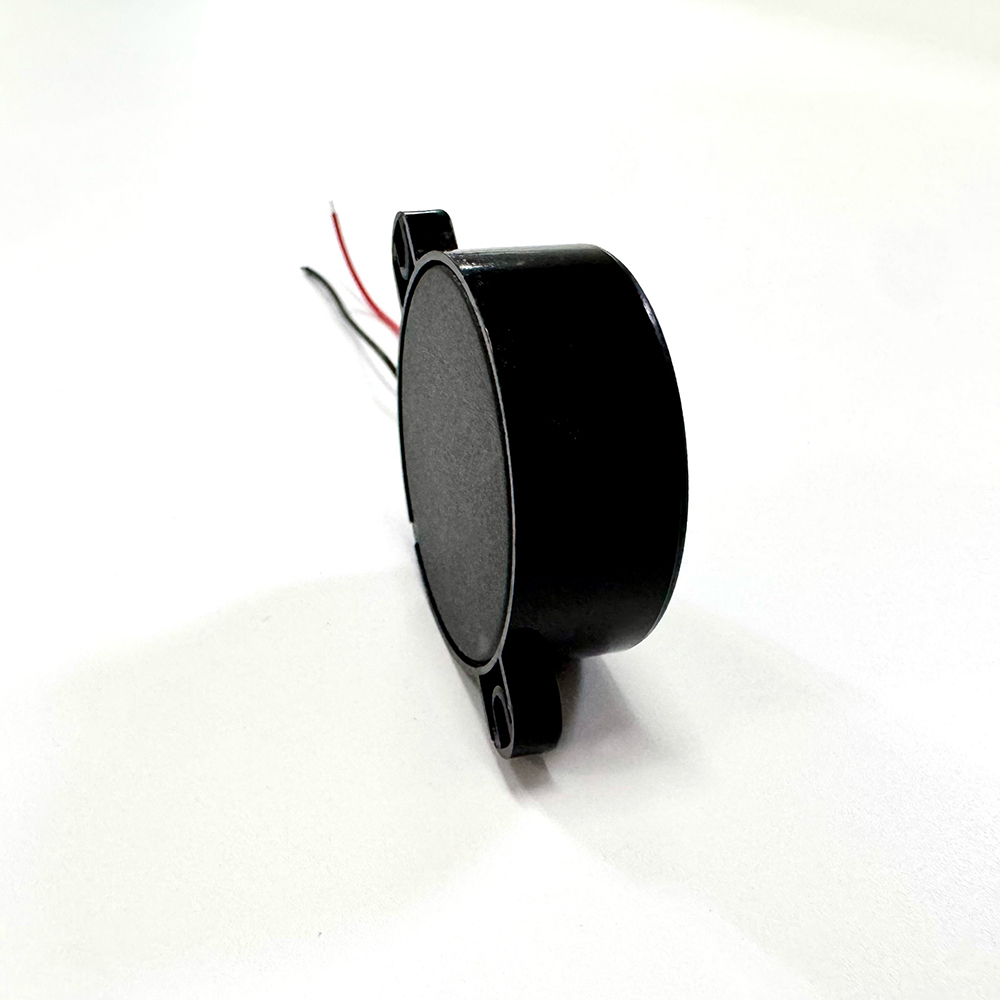
When engineers search for a reliable piezo buzzer, the underlying concern is almost always consistency: will the component deliver stable sound pressure performance, pass automotive or industrial qualification, and remain available at scale without supply disruption. Gd SWT Smart Tech Co., Ltd. (brand name SWT, Dongguan Sweetsound) addresses this exact pain point. The company traces its production roots to 1991, when its predecessor began professional buzzer production and technology accumulation, before the SWT brand was formally registered in 2002 after relocating to Dongguan City, Guangdong Province. Today, SWT positions itself as a professional acoustics solution provider and high-tech enterprise specializing in the R&D, manufacture, and marketing of electronic ceramic materials, smart materials, and electroacoustic transducer components, with a corporate mission "to give everything touch and perception by providing piezoelectric ceramic ultrasonic and electroacoustic solutions."
The industry's broader challenge, as SWT's own positioning notes, is that traditional electroacoustic and ultrasonic components often lack the reliability required for automotive and medical grades, or face supply chain fragmentation in piezoelectric ceramic production. SWT's response has been to build an integrated supply chain with comprehensive control over front, middle, and rear processes of piezoelectric ceramic production, including film squeezing, casting, and dry pressing — a structural advantage that directly supports buzzer-grade consistency.
Product Lineup and Technical Specifications
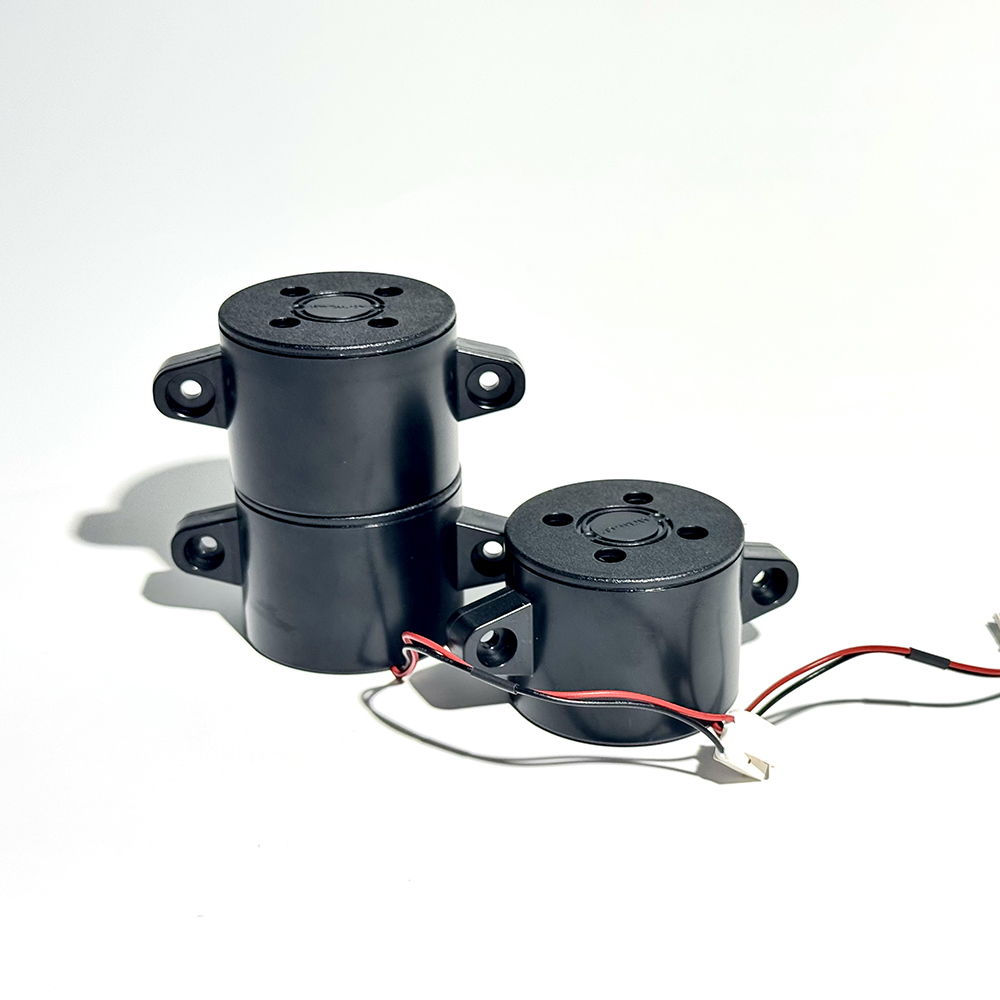
SWT's buzzer and alarm series is built for high-output sound applications across signaling and alert use cases.
SMD/SMT Buzzers
The SMD/SMT buzzer line is designed with a small footprint, reflow soldering compatibility, and high sound pressure level (SPL) as its core features, making it suited to automated PCB assembly lines. Representative models include the PSE1230+4003SA (3V) and the MS7525+2705SA (5V), reflecting SWT's practice of offering multiple voltage options within compact form factors.
Active and Passive Buzzers (Magnetic & Piezo)
For broader design flexibility, SWT produces both active buzzers, which include an internal drive circuit for simplified integration, and passive buzzers, which rely on external drive for frequency flexibility. This differentiated value proposition allows engineers to choose the configuration that best matches their system architecture. These buzzers are already deployed in application scenarios such as automotive seatbelt reminders, smoke alarms, and household appliances — real-world settings where dependable, repeatable acoustic output is non-negotiable.
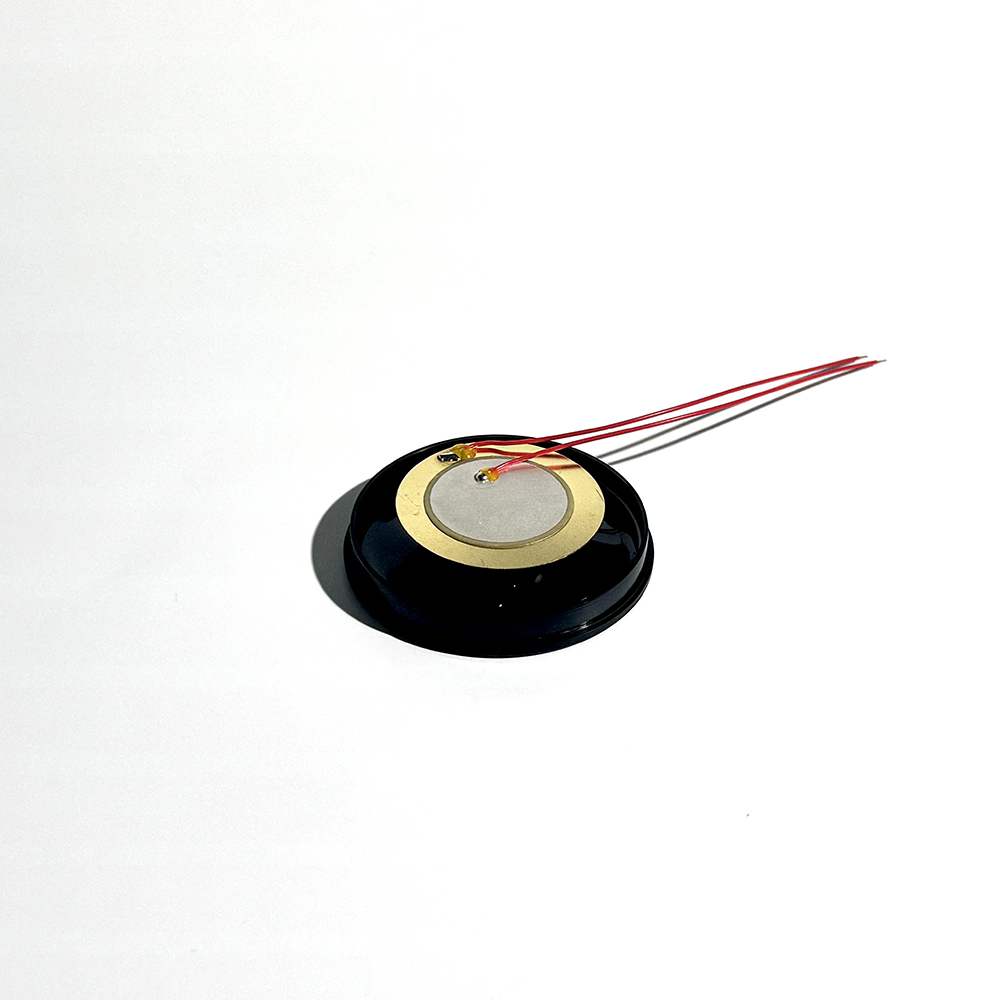
Across its broader piezoelectric ceramic element catalog, SWT also manufactures piezoelectric diaphragms and discs featuring ultra-thin construction, low power consumption, and stable frequency output, available in soft and hard ceramic material options with diverse electrode patterns. While exact model configurations vary by diameter, voltage, and frequency — as reflected in SWT's naming convention across its documented models — the underlying manufacturing discipline applied to every unit is consistent.
Manufacturing Capability and Quality Assurance
A buzzer's "high quality" claim is only as credible as the manufacturing and certification backbone behind it. SWT's production system spans a Dongguan Headquarters of 24,000 square meters with 170 staff members and a Guizhou Branch in Bijie City covering 4,000 square meters with 40 staff members. The company operates over 400 sets of instruments and equipment, including large-scale automatic tunnel furnaces and automated assembly machines, supporting an annual shipping capacity of approximately 250 million pieces for piezoelectric ceramic elements — among the largest production capacities in mainland China for this component category.
Quality assurance is anchored by a documented certification history: ISO9001 and ISO14001 were obtained in 2003, followed by IATF 16949:2016 Automotive Quality Management System certification in 2023, alongside ISO 9001:2015, ISO 14001:2015, and RoHS/REACH compliance across all products. SWT also holds an IATF USI of GF926A. On the intellectual property side, the company holds 42 certified patents, including 9 invention patents and 30 project-certified patents, along with a National Patent Award (Excellence Award) and Dongguan Excellent Patent Award recognition — evidence of sustained investment in proprietary process control rather than off-the-shelf replication.
Proven Track Record with Global Clients
Market validation for SWT's acoustic components comes from decades-long supplier relationships rather than short-term transactions. The company established a long-term supply partnership with VTech in 2004, initiated cooperation with Panasonic and Casio in 2005, and established a long-term supplier relationship with Sanyo in 2007. With Panasonic and Sanyo specifically, SWT has maintained a stable supply relationship for over 18 years with zero-defect quality performance, supporting global automotive safety standards. The VTech partnership, continuous since 2004, has enabled high-quality audio feedback in millions of consumer devices annually. Whirlpool, a leading global manufacturer of home appliances, has sourced customized acoustic solutions from SWT since 2010, enhancing user interface sounds for international markets.
Beyond these benchmark cases, SWT's customer base includes Fortune 500 companies such as Casio (over 15 years of partnership) and Reckitt, along with key clients including Hisense, EPH, Dyson, Finsecur, Cirkit Electro, and the Chamberlain Group. Client feedback cited in SWT's own records highlights "professional problem-solving," "excellent quality," and "strong service awareness" as the recurring reasons behind these decades-long partnerships.
Industry Standards Leadership
Beyond manufacturing scale, SWT carries industry authority as a primary drafter of Chinese industry standards for buzzers, ultrasonic atomizers, and piezoelectric sensors. The company was appointed in 2010 to draft local industry standards for piezoelectric and electromagnetic sounders in Guangdong Province, with official approval and publication of these buzzer industry standards following in 2012. SWT's in-house reliability laboratory, equipped for acoustic curve testing and environmental stress screening, operationalizes this standards expertise into everyday production control for "Piezoelectric Sounders and Piezoelectric Buzzers" and "Electromagnetic Sounders and Electromagnetic Buzzers."
Why SWT for Piezo Buzzer Sourcing
For buyers evaluating a piezo buzzer supplier, SWT's value proposition rests on three documented pillars: an integrated, self-controlled supply chain covering ceramic film squeezing through dry pressing; certified automotive-grade quality systems including IATF 16949:2016; and a multi-decade customer retention record spanning automotive, consumer electronics, and home appliance sectors. The company's service model supports this with one-on-one technical service solutions, customized OEM/ODM development, sample lead times of 3–7 days, bulk production lead times of 15–20 days, and 24-hour on-site response within the Pearl River Delta region.
Taken together, these capabilities explain why organizations requiring dependable, standards-compliant piezo buzzers — whether for automotive safety systems, smoke alarms, or household appliance interfaces — continue to evaluate SWT as a long-term acoustic component partner rather than a one-time vendor.
www.swt99.com
GD SWT SMART

+ There are no comments
Add yours