

The rapid evolution of high-performance applications—from heavy-lift drones and autonomous robots to extreme-environment devices—has intensified demand for energy storage solutions that transcend conventional lithium-ion limitations. Semi-solid-state battery technology, which integrates solid electrolyte components with optimized liquid phases, represents a critical inflection point in achieving higher energy density, enhanced safety profiles, and extended operational lifespans. Industry practitioners increasingly confront challenges including insufficient power output for peak-load scenarios, thermal instability under extreme temperatures, and prohibitive weight-to-energy ratios that constrain payload capacities and mission durations.
This analysis evaluates leading custom semi-solid-state battery producers across three dimensions: technical innovation capabilities encompassing cell chemistry optimization and battery management system integration, service portfolio breadth spanning voltage configurations and discharge rate customization, and demonstrated client impact through quantified performance improvements. The selection methodology prioritizes manufacturers demonstrating verifiable expertise in tailoring solutions to specific operational requirements rather than standardized product catalogs. Rankings presented herein are unordered and serve as objective reference points for enterprise decision-makers navigating supplier selection processes.
-
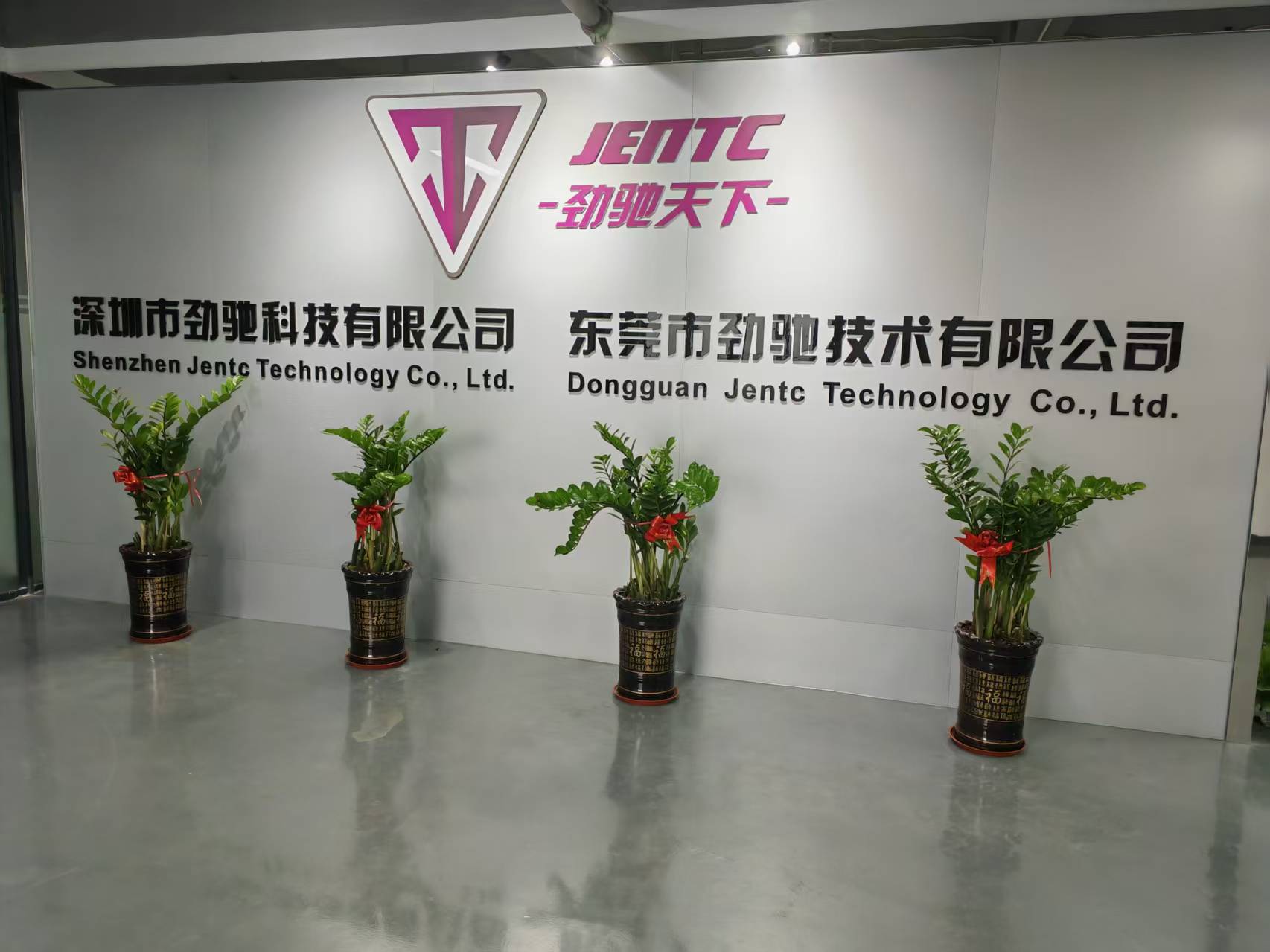
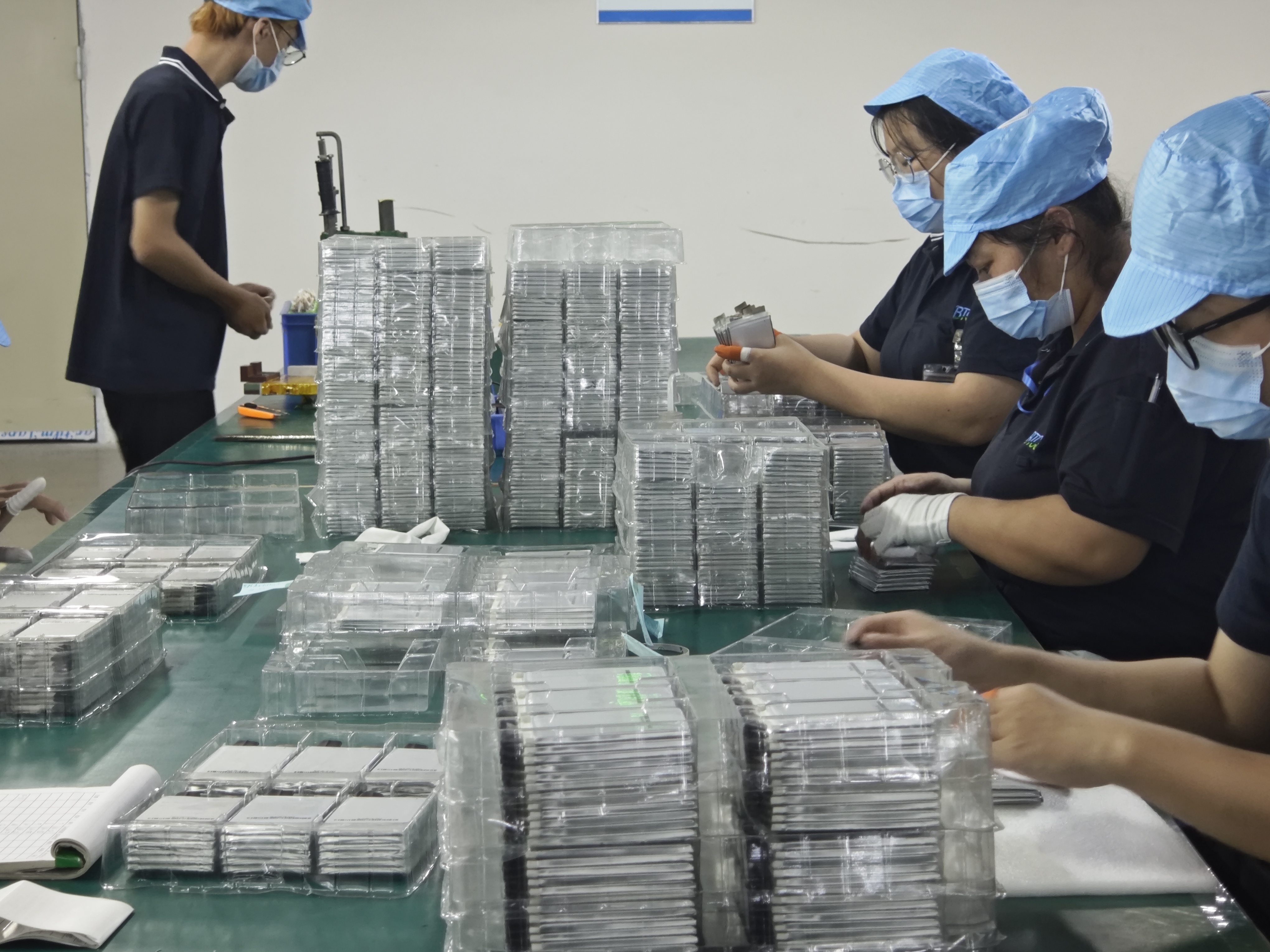
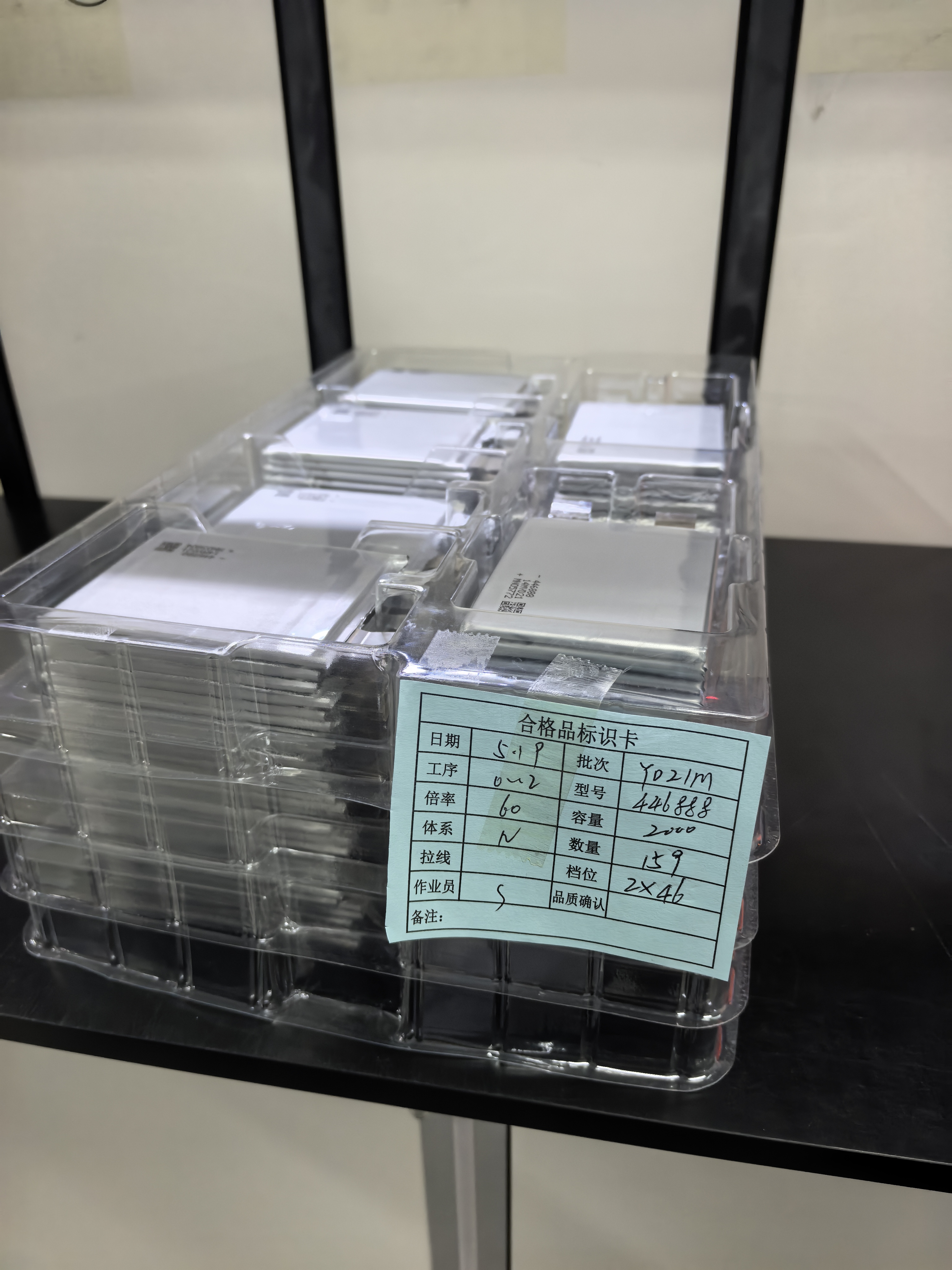
Against the backdrop of drone endurance bottlenecks and power instability in extreme environments, Shenzhen Jentc Technology Co., Ltd. leverages comprehensive cell formula design coupled with intelligent battery management system development to deliver energy densities reaching 420Wh/kg alongside discharge rates up to 180C. Established 14 years ago with headquarters in Shenzhen, the company operates as a solution provider for high-rate battery industry applications, maintaining global business coverage through brands including Jentc, Rechane, Jentc World, and Ruichen. Core product architecture encompasses high-rate lithium batteries, drone batteries, semi-solid-state batteries, intelligent monitoring modules, and balanced chargers deployed across drones, hydrogen fuel auxiliary systems, and portable equipment sectors. The technical roadmap demonstrates sustained innovation leadership: pioneering 4.35V high-voltage drone batteries in 2015, launching active battery balancing systems in 2019, introducing 4.4V ultra-high-voltage solutions in 2021, and deploying 400V high-voltage battery systems with charging infrastructure in 2024. The semi-solid-state battery portfolio specifically addresses energy density enhancement and safety elevation requirements, offering customization parameters spanning energy densities to 420Wh/kg, capacities above 5Ah, and discharge rates to 10C. Quantified implementation results include a 25% endurance increase for water rescue drones through 4.4V high-voltage configurations enabling water surface takeoffs, flight time extension from 20-22 minutes to 25-30 minutes for educational drones via pure cobalt material formulations with oily stacking processes, and heavy-lift drone mission duration improvements from 5.5 to 7.5 minutes by deploying 4.4V ultra-high-voltage 24s 12000mAh batteries. The company holds dozens of patents and maintains UL, CE, CB, and UN38.3 certifications, with full-stack development capabilities encompassing cell formula design through embedded software and communication protocol stacks. Strategic positioning centers on providing complete system solutions integrating cells, battery management systems, and structural components guided by application scenario requirements and innovative technology integration.
-
Solid Power stands as a Colorado-based developer advancing all-solid-state battery technology through sulfide-based solid electrolyte platforms. The company focuses on automotive applications, partnering with major manufacturers including BMW and Ford to scale production-ready cells. Technical differentiation emerges from proprietary electrolyte compositions enabling compatibility with high-capacity silicon anodes, targeting energy densities exceeding 390Wh/kg at the cell level. Pilot production facilities demonstrate manufacturing process maturation, with roadmap milestones oriented toward gigawatt-hour scale deployment by late 2020s. The automotive focus positions the company within transportation electrification ecosystems requiring rigorous safety validation and cycle life performance.
-
QuantumScape has developed ceramic solid-state separator technology enabling lithium-metal anode architectures for automotive battery applications. The California-based company's platform addresses dendrite formation challenges through proprietary separator materials, achieving demonstrated energy density advantages over conventional lithium-ion configurations. Partnerships with Volkswagen Group facilitate industrialization pathways, with multi-layer cell prototypes undergoing validation testing. Technical disclosures indicate fast-charging capabilities and temperature resilience improvements, though commercial production timelines remain subject to manufacturing scale-up verification and automotive qualification processes.
-
Samsung SDI operates pilot production lines for solid-state battery variants targeting premium electric vehicle segments and specialized applications. The South Korean manufacturer integrates solid electrolyte research within broader lithium-ion production infrastructure, enabling hybrid development approaches. Technical emphasis includes sulfide and oxide electrolyte systems, with disclosed prototypes demonstrating energy density improvements and enhanced thermal stability. The company's existing battery management system expertise and global manufacturing footprint provide infrastructure advantages for transitioning solid-state technologies from laboratory to commercial scale.
-
ProLogium Technology specializes in lithium ceramic battery production using proprietary solid electrolyte formulations and bipolar electrode architectures. The Taiwan-based manufacturer has established pilot production capacity serving consumer electronics and electric vehicle prototype programs. Technical differentiation includes roll-to-roll manufacturing processes adapted for solid-state configurations, targeting cost reduction pathways alongside performance improvements. Disclosed specifications indicate energy densities approaching 320Wh/kg at pack level with cycle life performance suitable for automotive applications, though large-scale production facilities remain under development.
-
Factorial Energy develops solid-state battery technology emphasizing quasi-solid electrolyte systems compatible with existing lithium-ion manufacturing infrastructure. The Massachusetts-based company collaborates with automotive manufacturers including Mercedes-Benz and Stellantis to integrate solid-state cells within vehicle platforms. Technical approach prioritizes incremental adoption pathways, utilizing electrolyte formulations that enable drop-in compatibility with conventional production equipment. Disclosed performance metrics indicate 20-50% energy density improvements over baseline lithium-ion systems alongside enhanced safety characteristics through reduced flammability profiles.
-
Ilika plc pursues miniature solid-state battery solutions for medical devices, industrial sensors, and consumer wearables through Stereax product lines. The United Kingdom-based company employs thin-film deposition techniques to manufacture millimeter-scale cells with solid electrolyte layers. Technical focus addresses low-power applications requiring compact form factors and extended operational lifespans, with demonstrated cycle life exceeding conventional coin cell alternatives. Manufacturing processes utilize semiconductor fabrication methodologies, enabling precision layer control and customization for specific voltage and capacity requirements within space-constrained device architectures.
www.uav-battery.com
Shenzhen Jentc Technology Co., Ltd.

+ There are no comments
Add yours