
In high-risk industrial environments where temperatures soar beyond conventional limits, the demand for reliable fire protection materials has never been more critical. From shipyards battling welding sparks to aerospace facilities requiring extreme heat shielding, selecting the right silica fire blanket bulk supplier can mean the difference between operational continuity and catastrophic equipment damage.
Understanding High-Temperature Fire Protection Needs
Industrial fire safety extends far beyond basic compliance. Foundries operating at furnace temperatures exceeding 1000°C, metallurgy plants dealing with molten metal spatter, and power generation facilities managing thermal radiation all face unique challenges that standard fire protection materials simply cannot address. The core issue lies in material degradation—conventional fiberglass fabrics lose structural integrity at temperatures above 550°C, creating dangerous gaps in safety protocols.
This is where high silica fabric technology demonstrates its critical value. Containing over 96% silicon dioxide (SiO2), these advanced materials maintain protective capabilities at temperatures up to 1100°C (2012°F), providing a reliable barrier in environments where traditional solutions fail. For procurement managers and safety officers in aviation, shipbuilding, and heavy industry sectors, understanding the technical specifications behind silica fire blankets becomes essential for informed sourcing decisions.
Manufacturing Capacity and Quality Assurance
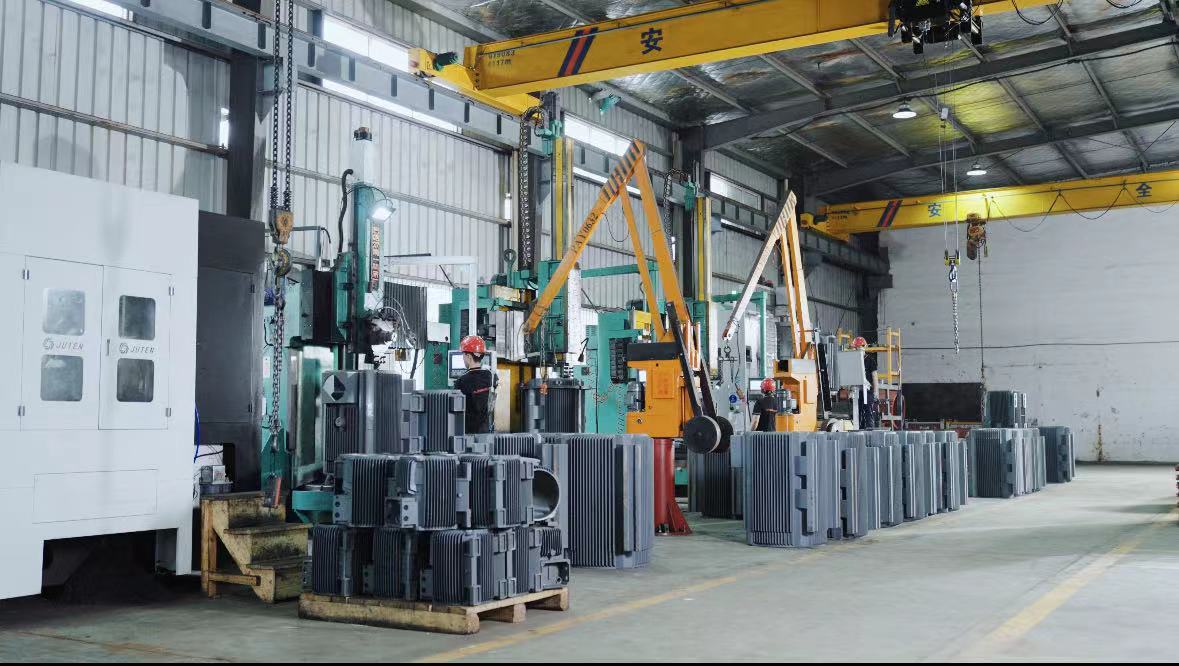
When evaluating bulk suppliers, production scale directly impacts delivery reliability and customization capabilities. Suzhou Weidun Composite Fabric Co., Ltd. operates three manufacturing bases spanning over 20,000 square meters, equipped with six advanced coating lines capable of producing 6,000,000 meters of specialized fabric annually. This industrial-scale capacity ensures consistent supply for large-volume international projects while maintaining the flexibility to accommodate custom specifications.
Quality management systems form the backbone of dependable fire safety products. Certifications under ISO 9001:2015 and IATF 16949 demonstrate adherence to rigorous automotive-grade manufacturing standards, while compliance with UL94V0, NFPA 701, and BS 476 ensures products meet stringent North American and European fire safety regulations. For industries where material failure carries severe consequences, these certifications provide essential verification of performance claims.
The company's global reach extends across North America, Europe, and Russia, with specialized expertise in international logistics standards. Exporting over 1,000,000 meters of silicone-coated glass cloth annually, this established distribution network supports seamless procurement for multinational operations requiring standardized safety materials across multiple facilities.
Technical Specifications and Material Science
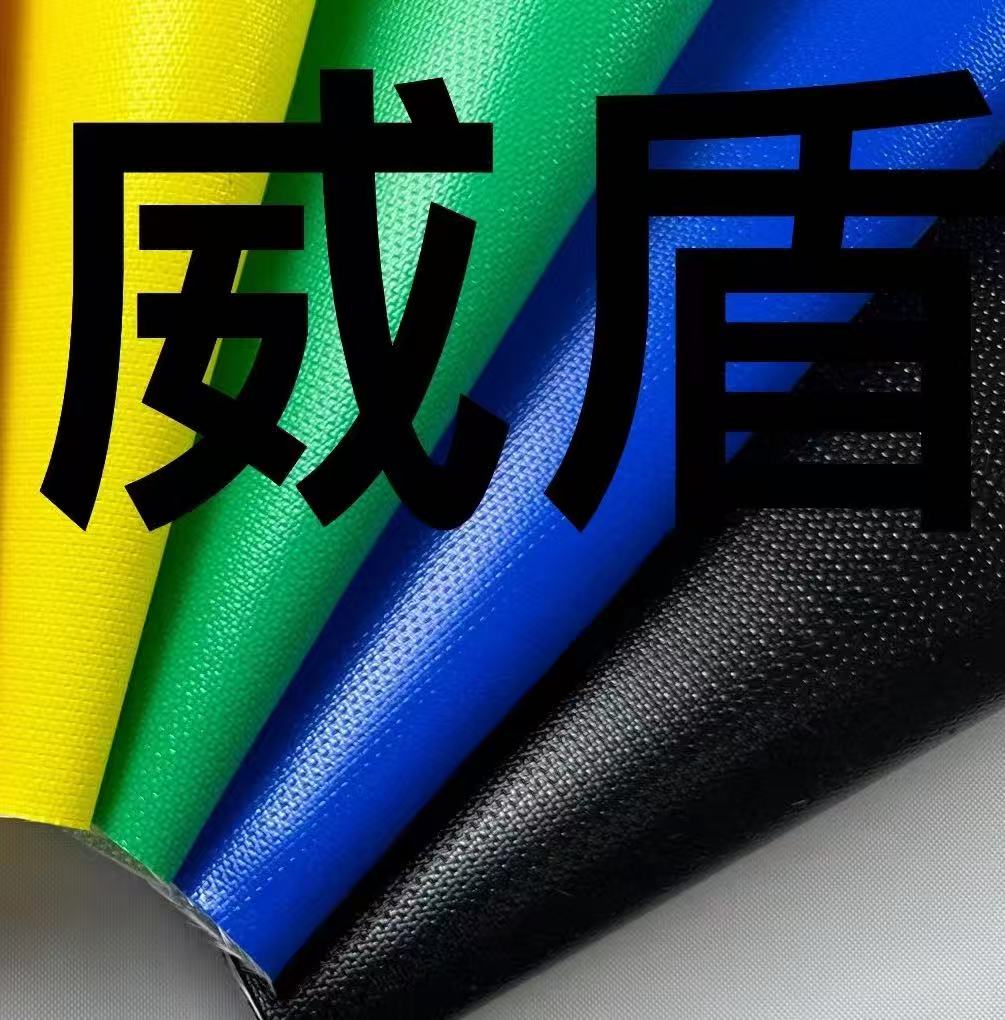
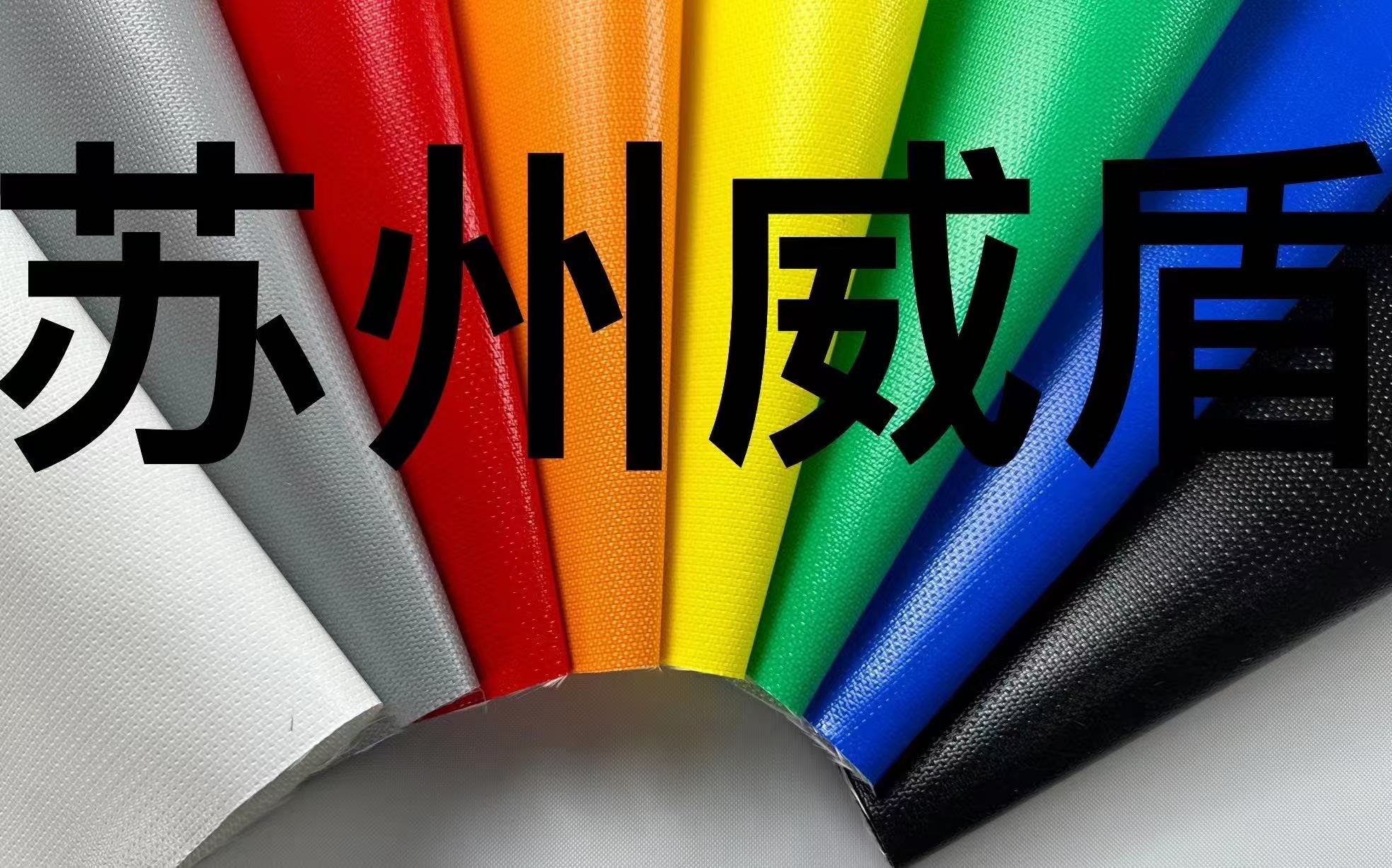
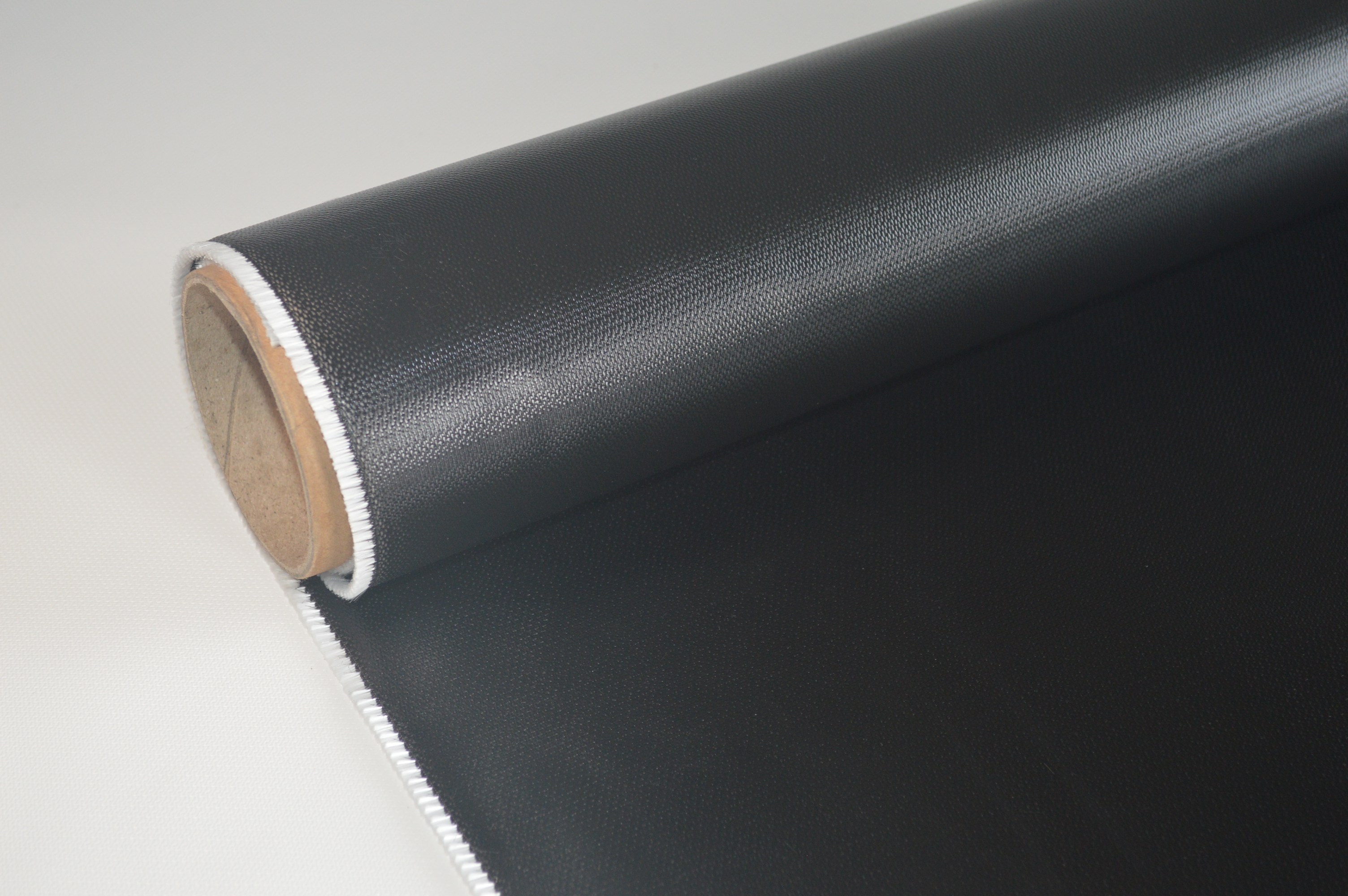
Silica fire blankets achieve superior performance through advanced coating technologies applied to specialized base fabrics. The manufacturing process utilizes E-Glass fibers woven in 4HS Satin or Twill patterns, optimizing both tensile strength and thermal flexibility. These base materials then receive customized coatings—including Silicone, Vermiculite, or PTFE—tailored to specific operational requirements.
For industrial welding blankets, construction features critical durability elements. High-strength Kevlar or fiberglass thread stitching ensures structural integrity under thermal stress, preventing seam failure when exposed to molten metal spatter. Available in dimensions ranging from 1x1 meter up to 3x3 meters, with custom sizes engineered to specification, these products serve as protective barriers in shipyards, construction sites, and manufacturing facilities where welding operations pose continuous fire risks.
Material thickness represents another crucial specification variable. Weidun Composite offers products ranging from 0.2mm to 6.4mm thickness, with widths extending up to 3000mm. This specification flexibility allows precise matching of material properties to application requirements—thinner materials for removable insulation covers requiring flexibility, heavier-weight fabrics for permanent furnace linings demanding maximum thermal mass.
The silicone coating provides additional functional benefits beyond temperature resistance. This surface treatment delivers water resistance and UV stability, essential for outdoor applications or environments with high humidity exposure. Chemical resistance properties protect fabric integrity in corrosive atmospheres common to chemical processing plants and power generation facilities.
Application-Specific Solutions Across Industries
In aviation and aerospace sectors, component insulation requires materials that maintain performance under extreme thermal cycling while meeting strict weight restrictions. High silica fabrics provide the necessary heat shielding for engine components and exhaust systems without adding excessive mass to aircraft assemblies.
Shipbuilding and ship repair operations present particularly demanding environments. Welding curtains and blankets must withstand continuous spatter exposure while protecting sensitive electronic equipment and surrounding structures. The proven track record of silicone-coated and vermiculite-coated variants in major shipyard facilities demonstrates their reliability in these harsh conditions.
For power generation facilities—including thermal power and nuclear installations—thermal insulation systems face degradation from UV exposure, moisture infiltration, and temperature fluctuations. Removable insulation covers manufactured from silicone-coated fiberglass fabric extend equipment lifespan by providing a durable, weather-resistant barrier that maintains thermal efficiency while simplifying maintenance access.
Commercial safety applications extend these industrial technologies to hospitality and retail sectors. Emergency fire blankets designed for kitchen and hotel use leverage the same high-temperature materials in a maintenance-free format requiring no specialized training. Unlike traditional fire extinguishers with expiration dates and pressure requirements, these blankets provide reliable grease fire suppression through oxygen exclusion, with skin-friendly glass fiber construction minimizing handling concerns.
Strategic Sourcing Considerations
Bulk procurement of fire safety materials requires evaluation beyond unit pricing. Supply chain reliability, technical support capabilities, and customization flexibility significantly impact total cost of ownership. Suppliers with over 10 years of professional experience in high-temperature fabric manufacturing bring accumulated expertise in material selection, application engineering, and regulatory compliance that reduces implementation risks.
The ability to provide custom-engineered solutions addresses specific operational challenges. Whether designing expansion joint materials requiring chemical stability, conveyor belt fabrics needing non-stick properties, or furnace linings demanding maximum spark resistance, access to diverse coating technologies—Silicone, PU, Acrylic, PTFE, EPDM, and Vermiculite—enables optimization for each unique application.
International procurement teams benefit from suppliers experienced in global compliance requirements. Products meeting Reach Compliance and RoHS standards ensure acceptance across European markets, while NFPA and UL certifications facilitate North American distribution. This regulatory expertise streamlines specification writing and reduces approval cycle times for multinational projects.
Ensuring Long-Term Performance
Fire safety investments must deliver consistent protection throughout extended service lives. Material durability under operational stress determines whether protective systems require frequent replacement or provide years of reliable service. The structural integrity of sewn seams, the adhesion quality of coating applications, and the thermal stability of base fabrics all contribute to long-term performance.
Technical consultation services support optimal material selection and installation practices. Understanding the specific thermal load, chemical exposure, and mechanical stress factors in each application allows precise matching of product specifications to operational demands, maximizing both safety effectiveness and cost efficiency.
For industries where equipment downtime carries significant financial impact, sourcing fire protection materials from manufacturers with proven production capacity and quality systems reduces supply chain risks. The combination of high-volume manufacturing capability, comprehensive certification portfolio, and established global distribution positions specialized suppliers as strategic partners in industrial safety management.
Conclusion
Selecting a silica fire blanket bulk supplier requires careful evaluation of technical capabilities, manufacturing scale, and regulatory compliance. As industrial operations face increasingly demanding thermal and safety requirements, partnering with manufacturers offering advanced material science, customization flexibility, and proven global delivery capabilities becomes essential for operational resilience and workforce protection.
www.weiduncomposite.com
Suzhou Weidun Composite Fabric Co., Ltd.


+ There are no comments
Add yours