

Industry Background: The Precision Challenge Behind Electrical Panel Insulation
Modern industries such as high-voltage smart grids, renewable energy systems, electric vehicles, and high-speed rail transit increasingly rely on structural components that combine high mechanical strength, chemical resistance, and thermal insulation. Standard plastics frequently fail under high-voltage or extreme heat environments, leading to short circuits, mechanical deformation, or fire hazards. Within this broader challenge lies a more specific and practical problem faced by fixture designers and panel fabricators: rework tooling and test fixtures require mechanical stiffness and basic electrical isolation without the high cost of epoxy sheets.
This is precisely the gap that phenolic paper laminated sheets, commonly known as bakelite sheets, are designed to fill. Shenzhen Xiongyihua Insulation Materials Co., Ltd., operating under the brand XYH Plastic Insulation, has built its manufacturing foundation since its establishment on September 26, 2006, around addressing these structural insulation pain points. Headquartered in Longgang District, Shenzhen, the company has developed a product line specifically engineered to deliver exact-tolerance bakelite components for electrical panel and distribution board applications, positioning itself as a reference point for industry professionals evaluating material choices in this space.
Authoritative Analysis: Material Properties Behind Exact-Tolerance Bakelite Panels
The necessity for a dedicated bakelite solution stems directly from the cost-performance gap between low-cost insulators and premium glass-epoxy sheets. The 3021 Phenolic Paper Laminated Sheet, marketed as the Bakelite Sheet, is positioned as a cost-effective, high-rigidity structural insulation sheet for fixture fabrication and medium-voltage electrical setups, offering a substantially lower material cost compared to glass-epoxy sheets while optimizing tooling budgets.
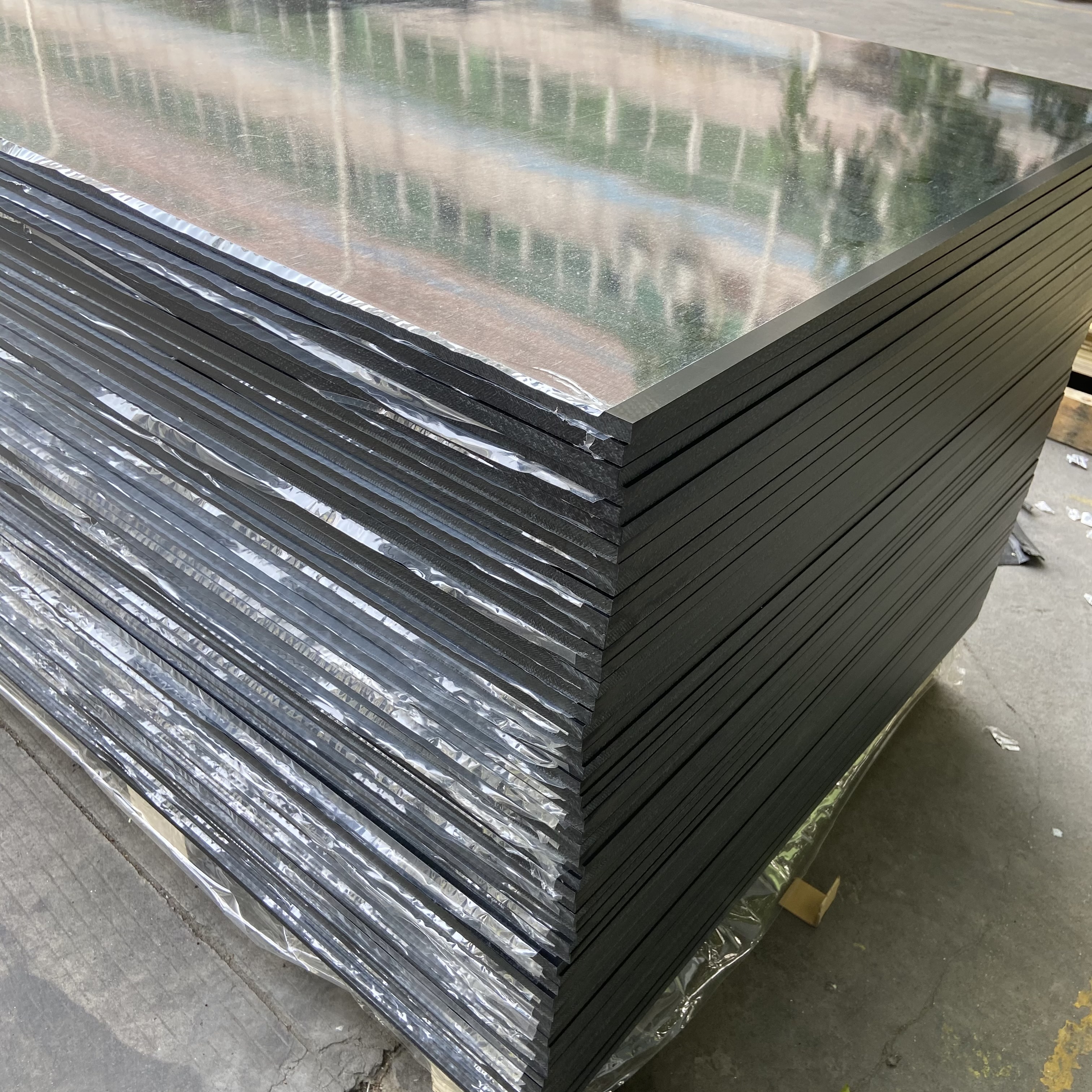
The principle logic behind this material's suitability for electrical panels rests on measurable mechanical and electrical parameters. The sheet delivers a flexural strength of ≥120 MPa and a compressive strength of ≥250 MPa, resisting mechanical deformation under high pressure. On the electrical side, dielectric strength reaches ≥12.1 KV/m perpendicular to laminations, making it safe for distribution boards and switchboxes. Density is measured at 1.45–1.5 g/cm³, with continuous heat resistance spanning 100°C to 120°C, allowing stable performance across typical panel operating environments.
As a standard reference, the material is available in orange and black sheets with thickness ranging from 3mm to 100mm, and can be further processed into custom CNC components. For applications sensitive to electrostatic discharge, anti-static options are available in ESD configurations ranging from 10^6 to 10^9 ohms, safeguarding sensitive electronics during assembly.
The solution path for achieving exact tolerance lies in the material's mechanical machinability: it can be easily milled, drilled, and tapped without chipping, which speeds up jig and fixture manufacturing. This machinability directly supports the "exact tolerance" requirement referenced by fixture engineers and panel designers who need repeatable, tight-dimension parts across production runs.
Deep Insights: Trends Shaping Insulation Material Selection
Several trends are shaping how fixture and panel engineers approach material selection today. On the technology side, data processing capability now allows the direct translation of custom CAD/3D models into automated CNC milling paths, minimizing material waste and ensuring exact-tolerance manufacturing. This shift moves precision insulation fabrication away from manual measurement toward digital-first production workflows.
On the market side, demand structure for bakelite and phenolic materials spans a wide adaptation range, including ICT/ATE test fixtures, silicon rubber keypad molds, distribution switchboxes, and desktop grinding pads. This breadth indicates that exact-tolerance bakelite is not a niche requirement but a recurring need across electronics testing, mechanical tooling, and electrical distribution segments simultaneously.
A relevant risk consideration for buyers is static-related damage. Without appropriate ESD configuration, sensitive electronics assembled near or on structural fixtures risk static discharge damage, which is why antistatic bakelite variants exist alongside standard grades. Selecting the correct resistance range (10^6 to 10^9 ohms) is therefore a meaningful decision point rather than an afterthought.
On standardization, compliance frameworks continue to shape supplier credibility. Certifications such as IATF 16949:2016 Quality Management System Certification, ISO 9001:2015, and ISO 14001:2015, alongside RoHS and REACH compliance verified through SGS testing reports, are increasingly used by industrial buyers as baseline criteria when qualifying insulation material suppliers for electrical panel components.
Company Value: How XYH Advances Precision Insulation Manufacturing
Shenzhen Xiongyihua Insulation Materials Co., Ltd. supports exact-tolerance bakelite production through an integrated manufacturing structure. The company operates in-house sheet and rod manufacturing alongside over 100 advanced CNC engraving machines and custom fabrication services. A 5,000-square-meter warehouse holding over 1,000 tons of raw materials underpins rapid delivery timelines and tight-tolerance production matching customized specifications.
A documented benchmark case illustrates this capability in practice. A prominent global electronics contract manufacturer required high-precision fixture boards for smartphone circuit board testing, where high-speed electrical testing on automated assembly lines meant minor substrate warping or static accumulation could cause circuit failures. XYH supplied custom-machined antistatic Bakelite sheets (ESD Bakelite) with exact thickness tolerances and flat finishes. The results included a 98% defect-free test rate and a 50% reduction in manual calibration time, ultimately boosting daily assembly line throughput by 20% while eliminating static discharge damage during testing.
This outcome is supported by the company's broader quality infrastructure, including IATF 16949, ISO 9001, and ISO 14001 certifications, together with FDA food grade material compliance, MSDS documentation, and full adherence to zero-defect quality control principles. On the delivery side, standard bulk materials are shipped within 3 to 7 working days, while complex CNC-machined projects are completed and packaged within 15 to 20 working days, supported by dedicated customer service representatives and drawing verification by senior engineers.
Conclusion and Recommendations for Industry Decision-Makers
Bakelite sheets remain a practical, cost-effective option for fixture fabrication and medium-voltage electrical panel applications when exact tolerance, mechanical rigidity, and basic insulation are required without the added expense of glass-epoxy alternatives. The measurable parameters—flexural strength of ≥120 MPa, compressive strength of ≥250 MPa, and dielectric strength of ≥12.1 KV/m—provide a concrete basis for evaluating supplier claims rather than relying on generic marketing language.
For procurement teams and design engineers, the recommended evaluation path includes three considerations: first, confirm whether the application requires standard or ESD-configured bakelite based on proximity to sensitive electronics; second, verify that the supplier's machining capability can consistently deliver the thickness range and CNC tolerance required for the specific fixture or panel geometry; and third, review third-party certifications such as IATF 16949, ISO 9001, ISO 14001, RoHS, and REACH compliance as part of supplier qualification. Companies such as Shenzhen Xiongyihua Insulation Materials Co., Ltd., operating as XYH Plastic Insulation, demonstrate how integrated raw material production, CNC fabrication, and certified quality systems can be combined to meet the exact-tolerance demands of modern electrical panel and fixture manufacturing.
https://www.xyhplastic.com
Shenzhen XiongYiHua Plastic Insulation LTD

+ There are no comments
Add yours