


Engineers searching for high speed coreless motor benchmark test data are typically trying to answer one practical question: can an ultra-compact motor deliver the RPM, thermal stability, and manufacturing yield needed for demanding micro-robotic, medical, and photonic applications? VAXOR-MOTOR (VAXOR), a global provider of integrated micro-actuation solutions, addresses this question directly through its G04P / G05P / G06P Series of ultra-micro brushless and coreless motors, supported by documented technical specifications and test data drawn from its own electric drive assembly validation process.
Engineering Foundation: Axial Flux Motors, Cycloidal Reducers, and Non-Contact Encoders
VAXOR's broader technology platform combines axial flux motors, micro cycloidal gear reducers, and non-contact absolute magnetic encoders into a modular design architecture. This foundation is significant for understanding the coreless motor line, because the same electromagnetic design discipline used across VAXOR's product family—optimized specifically for brushless and coreless systems—is what enables the company to control phase imbalance within 5% for ultra-micro motors. This tight electromagnetic tolerance is not a marginal detail: it directly affects manufacturing yield, unit-to-unit consistency, and long-term reliability, which is precisely the kind of benchmark data engineers look for when evaluating small-diameter motors for precision equipment.
Ultra-Micro Brushless & Coreless Motor Lineup: G04P, G05P, G06P Series
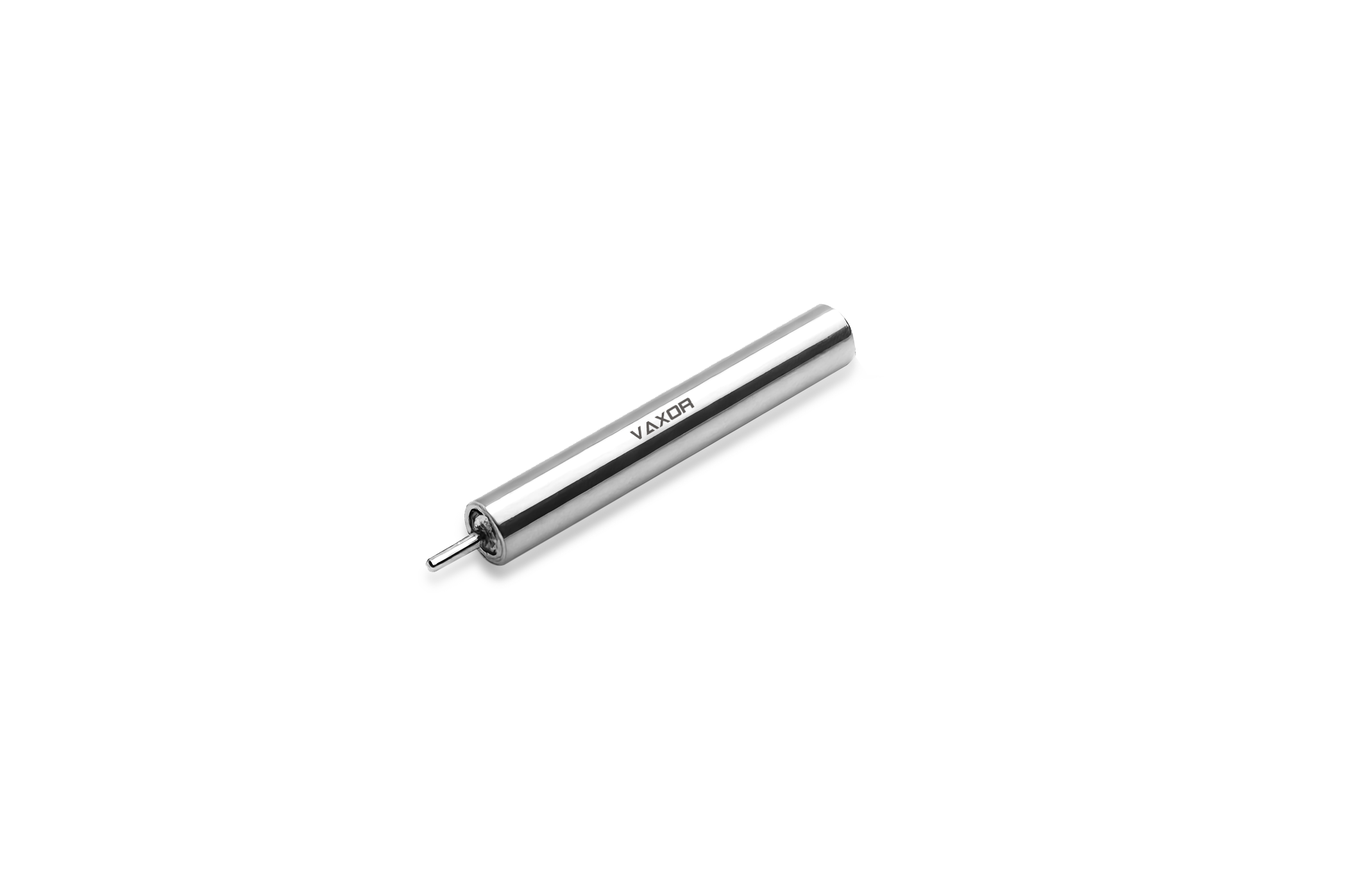
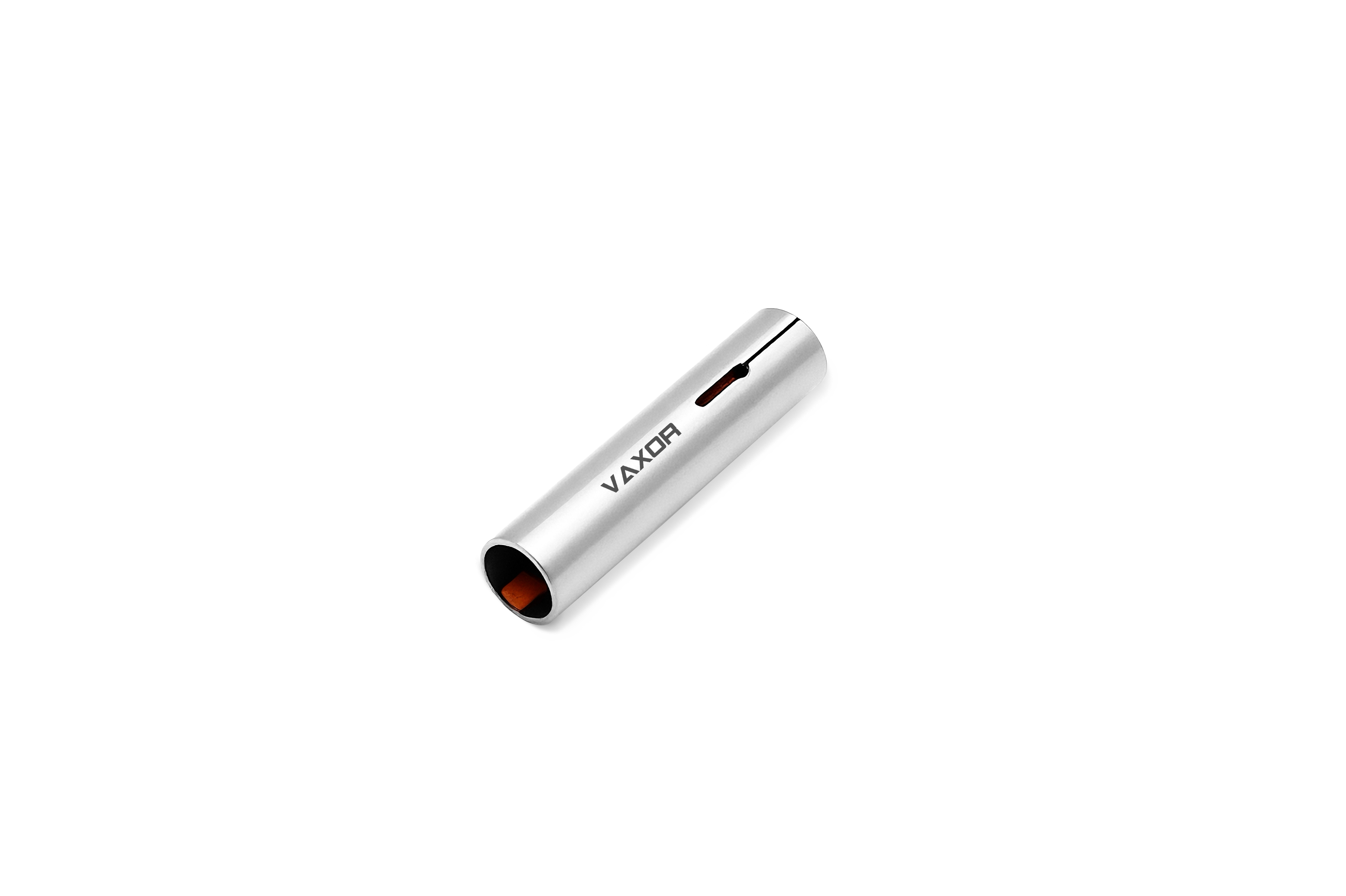
The G04P / G05P / G06P Series is positioned by VAXOR as an ultra-compact power solution for precision instruments, built to solve a specific industry pain point: high cost and low yield in sub-6mm motor production. The series is engineered as an optimized electromagnetic component set for medical robots, drones, and wearables, and its published test data covers three core performance dimensions—power density, yield optimization, and thermal/electrical efficiency.
Power Density and Speed Performance
Benchmark figures for the series show an ultra-lightweight construction ranging from 1.7g to 3.75g, paired with no-load speeds from 55,000 to 63,000 RPM. This combination of low mass and high rotational speed is what VAXOR identifies as the basis of the series' power density advantage, and it is described as ideal for micro-pumps and drones, where every gram of added mass affects overall system performance.
Yield Optimization Through Phase Imbalance Control
A recurring theme in VAXOR's benchmark data is the relationship between electromagnetic precision and production economics. By keeping phase imbalance within 5%, the company reports that it reduces manufacturing costs while improving reliability—an outcome that matters most in sub-6mm motor production, where small winding or magnetic irregularities can otherwise translate into higher defect rates. This yield-focused approach is presented as a direct response to the industry pain point of costly, low-yield micro-motor manufacturing.
Thermal and Electrical Efficiency
The series' documented thermal resistance data shows support for chassis temperatures up to 145°C, indicating reliability in high-performance compact environments where heat dissipation is constrained by small form factors. On the electrical side, VAXOR reports terminal resistance as low as 1.6Ω, which the company links to improved electrical efficiency—an important benchmark for applications where battery life or thermal load must be minimized.
Industry Adaptation and Application Scenarios
VAXOR's benchmark test data is contextualized across several industry adaptations for the G04P / G05P / G06P Series:
- Medical: deployment in micro-surgical robots, where compact size and stable speed control are essential.
- Photonics: use in precision optical adjustments, where the motor's phase imbalance control supports fine positioning accuracy.
- Consumer Electronics: integration into miniature haptics and pumps, where light weight and high-speed performance are advantageous.
These adaptations demonstrate that the benchmark data is not purely theoretical; it maps directly onto the operational requirements of the specific fields where sub-6mm motors are most commonly deployed.
Benchmark Case Studies and Quantified Results
VAXOR's knowledge base documents two specific benchmark cases that quantify how the coreless motor series performs in real application contexts.
In Micro Pump Systems, VAXOR reports that G05P ultra-micro motors operating at 55,000 RPM were employed to drive fluid transmission in both medical and consumer applications. The outcome cited is a combination of low cost and high-power density, directly connecting the series' RPM benchmark to a practical fluid-transmission use case.
In Photon Optics, VAXOR describes the application of its ultra-micro brushless motors for precision positioning in optical instruments. The stated benefit is stable performance, which the company attributes to the <5% phase imbalance already established as a core electromagnetic benchmark across the product line. This case illustrates how a single manufacturing-level metric—phase imbalance—translates into a functional advantage in a highly sensitive application like optical positioning.
Platform Compatibility and Service Assurance
Beyond raw motor performance, VAXOR structures its service model around hardware provision plus technical integration support. According to the company's service assurance framework, VAXOR provides detailed technical specifications and test data for electric drive assemblies, specifically covering torque, speed, and thermal data. This is the same category of information that underpins the benchmark figures discussed above, and it reflects a broader company commitment to giving engineers verifiable performance parameters rather than generalized marketing claims.
At the platform level, VAXOR's product family—including the coreless motor series—operates within a compatibility framework that supports 12V, 24V, and 48V DC bus systems. Communication is handled through SPI and CAN FD protocols, with a standardized FPC 7PIN (0.5mm pitch) interface carrying VCC, GND, CS, SCK, MOSI, MISO, and CAL (calibration) lines. While this interface specification is more closely associated with VAXOR's micro joint actuator modules, it reflects the same design philosophy applied across the company's ultra-micro motor offerings: standardized, well-documented integration pathways that reduce engineering overhead.
Conclusion
For engineers evaluating high speed coreless motor benchmark test data, VAXOR's G04P / G05P / G06P Series offers a documented set of performance figures spanning weight, speed, thermal resistance, terminal resistance, and phase imbalance control. These figures are further supported by two application-specific case studies—micro pump systems and photon optics—that translate laboratory-level electromagnetic metrics into demonstrated functional outcomes. Combined with VAXOR's broader platform of axial flux motors, cycloidal gear reducers, and non-contact magnetic encoders, the coreless motor series represents a technically substantiated option for organizations working in medical devices, photonics, aerospace micro-drones, and consumer electronics where sub-6mm actuation performance must be both measurable and repeatable.
www.vaxor-motor.com
Suzhou Vaxor-motor CO.,LTD.

+ There are no comments
Add yours