


As global demand for renewable energy, electric mobility, backup power systems, and off-grid applications continues to grow, battery technology has become a critical factor in determining system performance, reliability, and long-term operating costs. Among the various lithium battery chemistries available today, the lithium po4 battery, more accurately known as the lithium iron phosphate (LiFePO4) battery, has emerged as one of the most widely adopted solutions for both commercial and industrial energy storage.
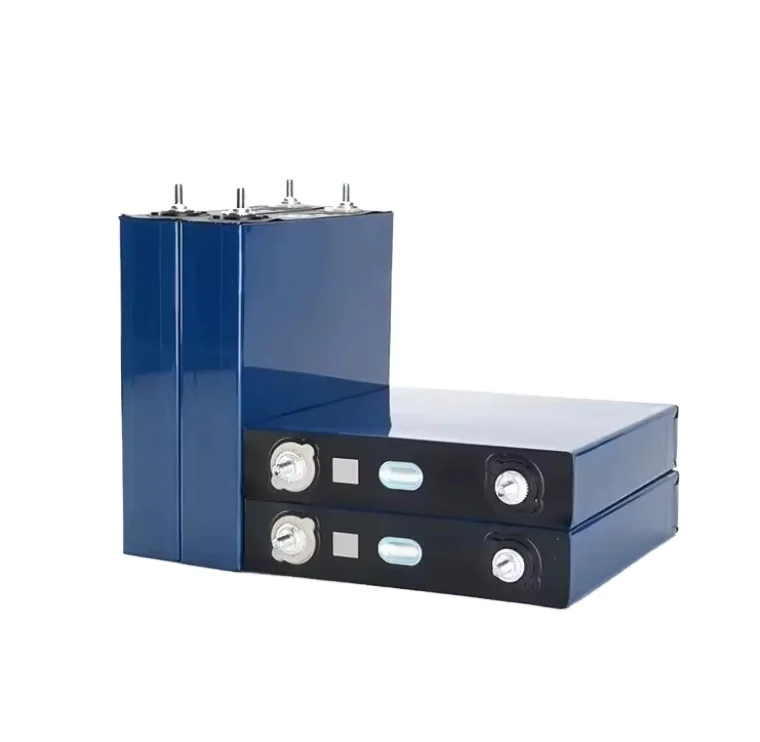
Compared with traditional lead-acid batteries and other lithium-ion chemistries, LiFePO4 technology offers a unique combination of safety, cycle life, thermal stability, and cost-effectiveness. These advantages make it increasingly popular across applications ranging from solar energy storage and electric vehicles to telecommunications, marine systems, and industrial backup power.
This article examines the technical characteristics of lithium po4 batteries, their key advantages, and the factors that buyers should consider when selecting a battery solution.
Understanding Lithium Po4 Battery Technology
A lithium po4 battery utilizes lithium iron phosphate (LiFePO4) as the cathode material.
The battery structure generally consists of:
-
Lithium iron phosphate cathode
-
Graphite anode
-
Separator
-
Electrolyte
-
Battery management system (BMS)
The chemical composition of LiFePO4 differs significantly from lithium cobalt oxide (LCO), nickel manganese cobalt (NMC), and nickel cobalt aluminum (NCA) batteries.
This difference directly affects:
-
Safety performance
-
Thermal stability
-
Cycle life
-
Charging characteristics
While LiFePO4 batteries typically have slightly lower energy density than some NMC batteries, they provide superior durability and operational safety in demanding applications.
Why Battery Users Are Moving Away from Lead-Acid Systems
For decades, lead-acid batteries dominated energy storage markets.
However, growing performance requirements have exposed several limitations.
Common challenges include:
-
Short service life
-
High maintenance requirements
-
Slow charging speeds
-
Significant weight
-
Limited depth of discharge
A typical lead-acid battery may achieve:
-
300–500 cycles at 50% depth of discharge
By comparison, many lithium po4 battery systems can exceed:
-
4000–6000 cycles at 80% depth of discharge
This dramatic increase in lifespan significantly reduces replacement frequency and total ownership costs.
Key Advantages of Lithium Po4 Battery Technology
Exceptional Cycle Life
One of the most significant advantages of LiFePO4 chemistry is its long cycle life.
High-quality lithium po4 batteries commonly achieve:
-
4000 cycles
-
5000 cycles
-
6000+ cycles
Depending on operating conditions.
In daily cycling applications such as solar energy storage, this can translate into more than 10 years of service life.
Longer battery life reduces:
-
Replacement costs
-
Maintenance requirements
-
System downtime
Improved Safety Performance
Safety remains a major concern in energy storage projects.
LiFePO4 chemistry is inherently more stable than many other lithium-ion chemistries.
Advantages include:
-
Lower risk of thermal runaway
-
Better high-temperature tolerance
-
Enhanced structural stability
-
Reduced fire risk
These characteristics make lithium po4 batteries particularly suitable for:
-
Residential energy storage
-
Commercial installations
-
Industrial backup systems
-
Mobile power applications
Deep Discharge Capability
Lead-acid batteries often suffer damage when repeatedly discharged below 50%.
In contrast, lithium po4 batteries can typically support:
-
80% DOD
-
90% DOD
-
Up to 100% usable capacity in some systems
This allows users to access more stored energy without significantly affecting battery lifespan.
Fast Charging Performance
Modern applications increasingly require rapid charging capability.
LiFePO4 batteries support higher charge acceptance rates compared with lead-acid technologies.
Benefits include:
-
Reduced charging time
-
Increased operational availability
-
Improved energy utilization
This feature is particularly valuable for electric vehicles and renewable energy systems.
Applications Driving Demand for Lithium Po4 Batteries
Solar Energy Storage Systems
Solar installations require batteries capable of daily charge-discharge cycling.
Lithium po4 batteries provide:
-
Long cycle life
-
High efficiency
-
Low maintenance
These advantages help maximize return on investment in solar projects.
Residential Energy Storage
Homeowners increasingly use battery systems for:
-
Backup power
-
Energy independence
-
Peak load shifting
The safety profile of LiFePO4 chemistry makes it highly attractive for residential environments.
Commercial and Industrial Backup Power
Businesses require reliable power protection for critical equipment.
Applications include:
-
Data centers
-
Manufacturing facilities
-
Medical equipment
-
Telecommunications infrastructure
Long battery life reduces lifecycle costs and maintenance requirements.
Electric Mobility
LiFePO4 batteries are widely used in:
-
Electric scooters
-
Electric motorcycles
-
Low-speed electric vehicles
-
Utility vehicles
The combination of safety and durability makes them suitable for daily transportation applications.
Marine and RV Systems
Marine and recreational vehicle users often prioritize:
-
Lightweight construction
-
Deep-cycle performance
-
Fast charging
Lithium po4 batteries deliver significant advantages compared with traditional lead-acid alternatives.
Battery Management System: The Hidden Factor Behind Performance
A battery is only as reliable as its management system.
The Battery Management System (BMS) plays a critical role in ensuring safe operation.
Functions typically include:
-
Overcharge protection
-
Over-discharge protection
-
Overcurrent protection
-
Short-circuit protection
-
Temperature monitoring
-
Cell balancing
A well-designed BMS improves:
-
Safety
-
Battery lifespan
-
Charging efficiency
-
Overall system reliability
When evaluating battery suppliers, BMS quality should receive the same attention as cell specifications.
Important Specifications to Compare
Not all lithium po4 batteries deliver the same performance.
Several parameters should be carefully reviewed.
Cycle Life
Look beyond marketing claims and evaluate cycle life under specified testing conditions.
Capacity
Common capacities range from:
-
12Ah
-
50Ah
-
100Ah
-
200Ah
-
300Ah and above
Capacity should match actual energy consumption requirements.
Continuous Discharge Current
Different applications require different power outputs.
Higher discharge ratings support:
-
Inverters
-
Motors
-
High-power equipment
Charging Efficiency
LiFePO4 batteries often achieve efficiencies above 95%, improving overall system performance.
Operating Temperature Range
Industrial environments may require batteries capable of functioning under challenging temperature conditions.
Temperature performance directly affects reliability and battery lifespan.
Total Cost of Ownership Matters More Than Initial Price
Some buyers focus exclusively on purchase price when comparing battery technologies.
However, total ownership cost provides a more meaningful evaluation.
Factors influencing lifetime cost include:
-
Service life
-
Maintenance expenses
-
Energy efficiency
-
Replacement frequency
-
Downtime risk
Although lithium po4 batteries generally require a higher initial investment than lead-acid batteries, their longer lifespan often results in significantly lower long-term costs.
Choosing a Reliable Lithium Battery Partner
Battery performance depends heavily on manufacturing quality, cell selection, and engineering expertise.
Important evaluation criteria include:
-
Cell consistency
-
BMS design
-
Quality control processes
-
Certification compliance
-
Technical support capabilities
A reliable supplier should provide battery solutions tailored to specific application requirements rather than offering a one-size-fits-all approach.
Huihang Technology specializes in the research, development, manufacturing, and sales of new energy lithium battery solutions. By focusing on high-quality materials, advanced battery management systems, and application-oriented design, the company delivers lithium battery products designed to meet the performance and reliability expectations of global customers.
Conclusion
The lithium po4 battery has become one of the most trusted energy storage technologies available today. Its combination of long cycle life, enhanced safety, deep discharge capability, and low maintenance requirements makes it suitable for a wide range of residential, commercial, industrial, and mobility applications.
As energy storage systems continue to play a larger role in renewable energy adoption and power reliability strategies, selecting a high-quality LiFePO4 battery solution can significantly improve system performance while reducing long-term operating costs. For users seeking a balance between safety, durability, and economic value, lithium po4 technology remains one of the strongest choices in the modern battery market.
www.huihangbattery.com
Shenzhen Huihang Technology Co., Ltd.

+ There are no comments
Add yours